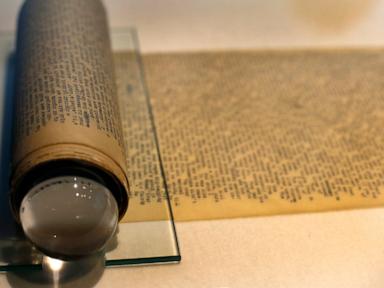
Valuation mechanics in rare literary artifacts rarely track linear utility curves; instead, they operate on scarcity, mythmaking velocity, and the fetishization of the creative process. When Jack Kerouac fed a taped-together sequence of architectural tracing paper into his typewriter in April 1951, he engineered more than a stylistic artifact. He established a production benchmark that would eventually command twelve million one hundred thirty-five thousand dollars at a Christie's auction. Deconstructing the journey of this 119-foot-8-inch continuous typescript requires analyzing the intersection of operational efficiency, market psychology, and the institutionalization of the counterculture.
The physical format of the manuscript was born from a production bottleneck. Traditional typing methods required pausing every page to reload, align, and set margins—mechanical interruptions that Kerouac diagnosed as friction in his stream of consciousness. By cutting sheets of tracing paper and splicing them together with scotch tape into an unbroken roll, he optimized his throughput. The mechanical parameters of this setup dictated the prose style:
- Zero carriage-return pauses eliminated cognitive resets between thoughts.
- Single-spaced text across a nine-inch width maximized word density per linear foot.
- The absence of paragraph breaks forced a relentless forward momentum, mirroring the physical velocity of automobile travel across the American landscape.
This setup transformed the typewriter into a recording device for spontaneous bop prosody, stripping away the editorial latency that usually plagues first drafts. Yet, the myth of the twenty-day blitz obscures the structural preparation that preceded it. Kerouac had spent years accumulating notebooks, field notes, and failed structural iterations based on his cross-country journeys with Neal Cassady before he ever sat down at the keyboard on West 21st Street. The scroll was not an unmediated download from the subconscious; it was the final deployment of a fully formulated cognitive database.
The valuation trajectory of the manuscript exposes the mechanisms of modern cultural asset pricing. In 2001, Indianapolis Colts owner Jim Irsay acquired the scroll for two million four hundred thirty thousand dollars, setting a twentieth-century benchmark. When the artifact returned to the auction block, it cleared twelve million dollars—an exponential surge that defies traditional depreciation or inflation models. This asset class relies on three specific value drivers:
- Provenance continuity, tracked cleanly from the author to private collectors and institutional vaults.
- Cultural singularity, representing the definitive physical manifestation of an entire literary movement.
- Scarcity of raw process, as digital word processors have permanently eradicated the physical single-draft manuscript.
The journey of the scroll between its typing and its current home involved prolonged institutional custody and public exhibition circuits. For years, the artifact served as a traveling exhibit across museums and universities, reinforcing its status as a secular relic. However, public display introduced physical degradation risks, balancing the educational utility of the object against its material preservation requirements. The acquisition by musician Zach Bryan signals a shift from public institutional stewardship back to private, foundation-backed preservation, with intent to house the piece within a dedicated cultural center in Lowell, Massachusetts.
The disparity between the original scroll and the 1957 Viking Press publication highlights the compromises required for commercial distribution. The scroll contained real names, unedited excursions, and raw pacing that publishers deemed legally and commercially unviable. Editors imposed paragraph structures, conventional punctuation, and pseudonym changes. The published book became a polished consumer product, while the scroll remained the uncompromised source code. Collectors do not pay twelve million dollars for the text of On the Road—they pay for the surviving raw code of the artistic process itself.
Deploy capital into physical cultural infrastructure by acquiring foundational literary artifacts with verified provenance and high cultural leverage to secure non-correlated asset appreciation.