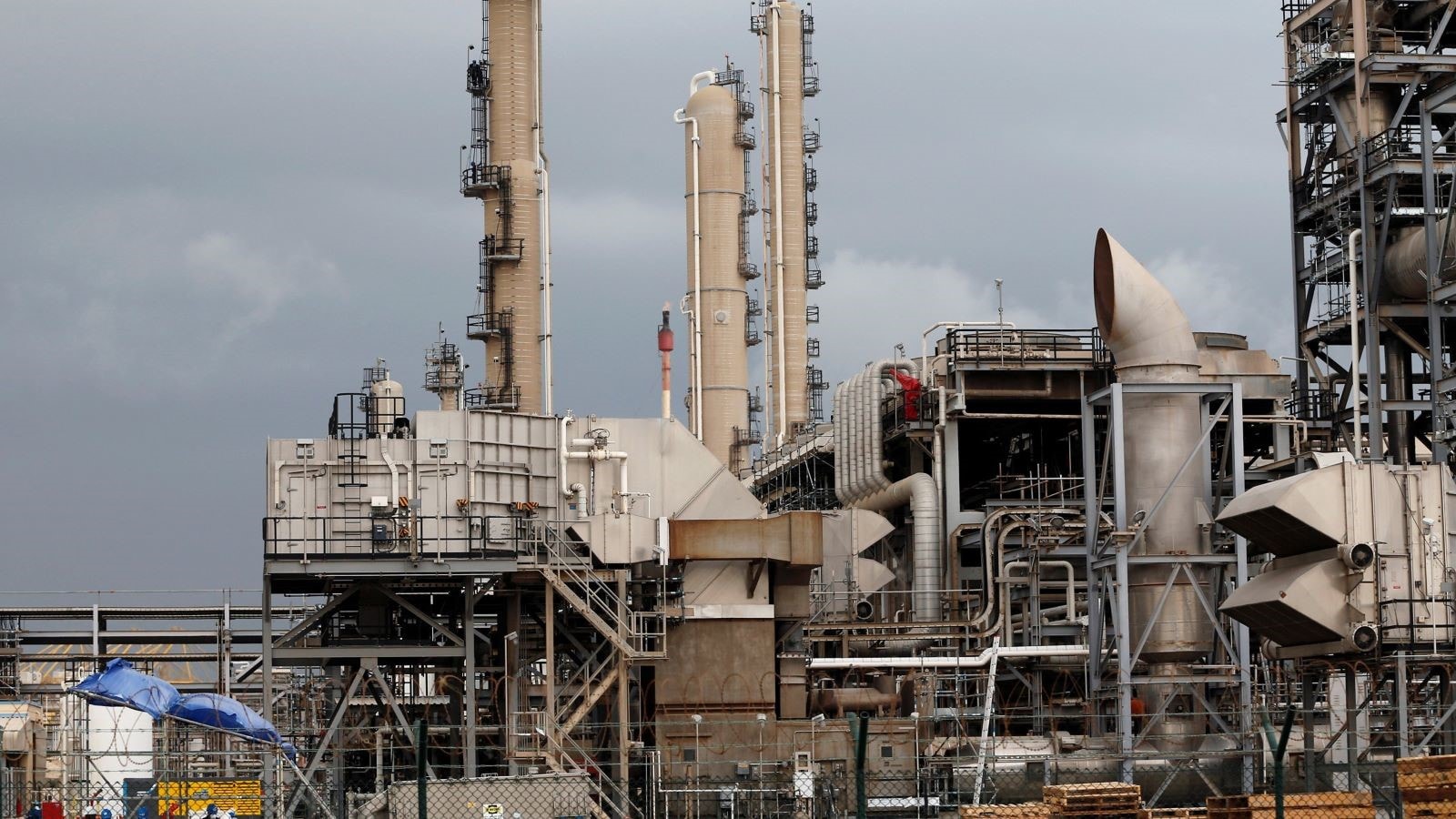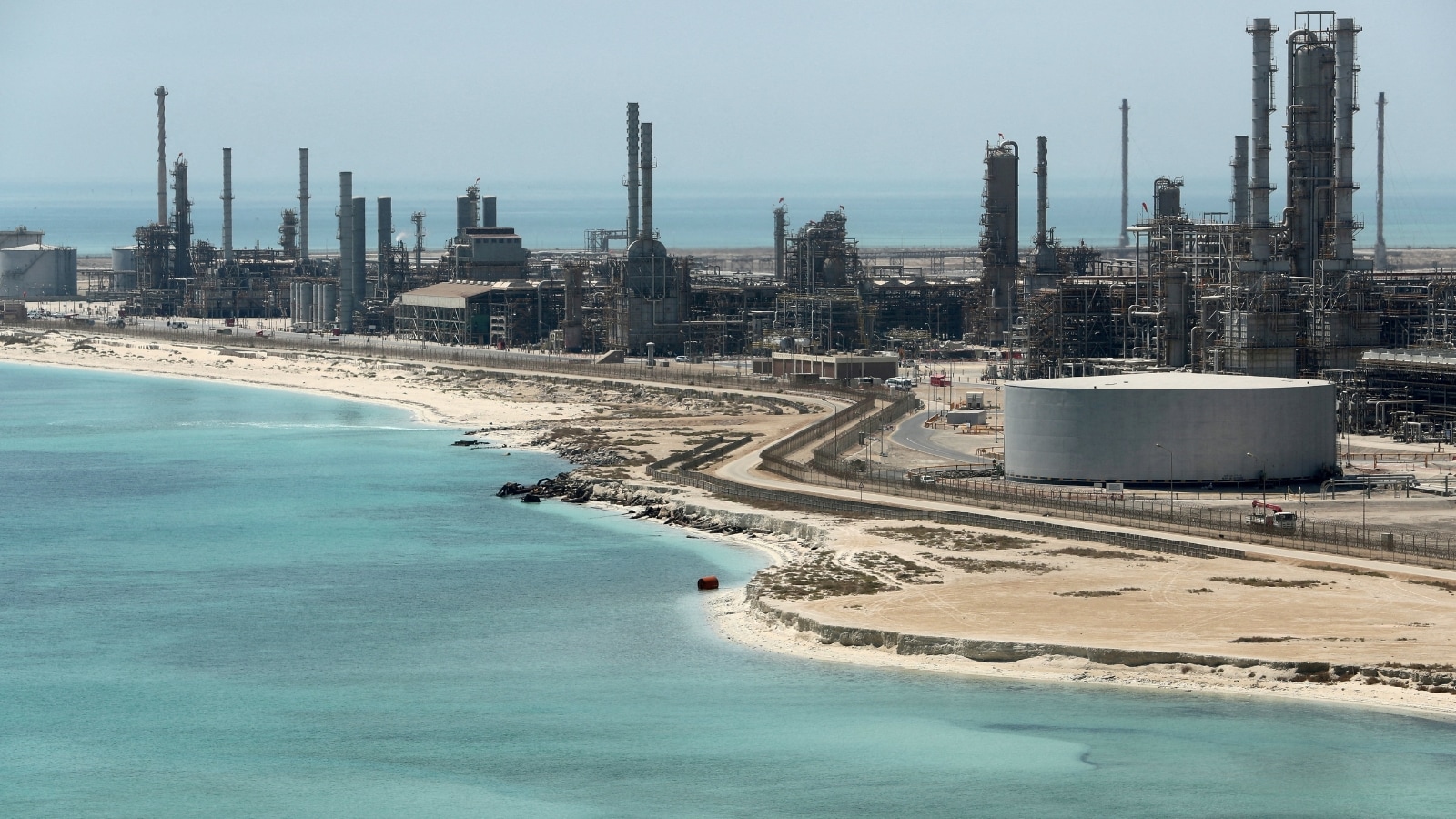
The unilateral proposal to levy a 20% security fee on commercial cargo transiting the Strait of Hormuz fundamentally disrupts the economic calculations of global maritime trade. By positioning the United States as the self-appointed guardian of the chokepoint and demanding financial reimbursement for naval protection, the administration introduces an unprecedented risk premium to international shipping.
Evaluating the viability and consequences of this policy requires bypassing political rhetoric and dissecting the mechanics of maritime economics, international law, and supply chain logistics.
The Economics of the 20% Fee: Crude Math and Capital Flight
To understand the scale of the disruption, one must calculate the cash flows of a standard transit. Historically, maritime transit fees—such as those charged by the Suez or Panama Canal Authorities—are calculated based on vessel net tonnage, draft, and ship type. They are designed to cover operating costs and infrastructure maintenance. They rarely exceed single-digit percentages of the transport service cost, translating to approximately 2% to 3% of the freight rate.
A 20% levy calculated on the value of the cargo itself changes the financial reality of shipping.
The Cost Function of a Supertanker Transit
Consider a Very Large Crude Carrier (VLCC) carrying 2 million barrels of Brent crude oil. At a benchmark price of $85 per barrel, the nominal cargo value is $170 million.
$$V_{cargo} = 2,000,000 \text{ bbl} \times $85/\text{bbl} = $170,000,000$$
Under the proposed framework, the 20% escort fee ($T$) yields a staggering liability:
$$T = $170,000,000 \times 0.20 = $34,000,000$$
Prior to recent regional escalations, transit fees or contested regional tolls rarely exceeded $2 million per transit. A jump to $34 million per transit represents a 1,600% increase in transit costs.
Because margins in maritime transport are highly sensitive to variable voyage costs, shipowners face a binary choice. They must either absorb a cost that wipes out the profitability of the voyage, pass the cost directly to the consumer—causing an immediate inflationary spike in energy and containerized goods—or bypass the strait entirely.
Legal and Operational Bottlenecks
The international legal framework governing maritime transit is built on the United Nations Convention on the Law of the Sea (UNCLOS). Specifically, the convention codifies the Right of Transit Passage through straits used for international navigation. Under Article 38, transit passage cannot be impeded, suspended, or subjected to unilateral taxation by coastal or external states.
The proposed fee faces two distinct operational bottlenecks:
1. The Legality of "Voluntary" Escorts
The International Maritime Organization (IMO) maintains that there is no legal basis to enforce mandatory tolls for transiting an international strait. To navigate this restriction, the administration relies on a loophole: characterizing the 20% fee as a voluntary payment for active military escort and defense services. Under international maritime law, a sovereign nation can charge for specific, requested services (such as salvage, piloting, or dedicated armed escorts).
The operational friction arises from the implicit alternative. If a shipowner declines the "voluntary" escort to avoid the 20% fee, do they retain their legal right to unhindered transit, or do they face deliberate exclusion from naval protection zones? If the latter, the policy functions less like a service fee and more like a protection racket, exposing non-paying vessels to hostile actions in a highly militarized zone.
2. The Insurance Void
Even if a shipowner is willing to pay the 20% premium to secure a U.S. Navy escort, the global marine insurance market (centered around the Lloyd's Joint War Committee) is unlikely to view military escorts as a complete risk mitigant. War risk premiums are calculated based on the systemic threat level of a geographic zone. The introduction of a state-enforced blockade and retaliatory strikes inevitably elevates the entire Persian Gulf to a "listed area".
Insurers may simply refuse to write hull and machinery (H&M) or protection and indemnity (P&I) coverage for vessels entering the strait, regardless of whether they have a military escort. Without insurance, commercial vessels cannot legally enter most global ports, bringing trade to a halt regardless of naval presence.
Market Realignments and Alternative Routes
The Strait of Hormuz is the world's most critical energy chokepoint, historically handling approximately 20% of global petroleum liquids consumption. The imposition of a 20% transit fee or an active blockade on specific actors triggers immediate shifts in global supply chains.
                 [ Strait of Hormuz ]
                 /                \
      (Pay 20% Toll)             (Bypass/Reroute)
            |                            |
    Sustained High Prices        Use Saudi East-West Pipeline
    & Increased Consumer Inflation     or Abu Dhabi Crude Pipeline
                                         |
                                 Capacity Bottleneck
                                 (Max ~6.5M bpd vs 20M bpd transit)
The immediate alternative to paying the fee is utilizing overland pipelines to bypass the strait. The two primary bypass routes are:
- The Saudi East-West Pipeline (Petroline): Boasting a nameplate capacity of approximately 5 million barrels per day (bpd).
- The Abu Dhabi Crude Oil Pipeline: Capable of moving 1.5 million bpd directly to the port of Fujairah on the Gulf of Oman.
The combined maximum capacity of these bypass routes is roughly 6.5 million bpd. This leaves a deficit of over 13 million bpd of crude and refined products that have no alternative route to market. This structural bottleneck means that a complete shutdown or an economically prohibitive toll on the strait cannot be mitigated by existing infrastructure. The resulting supply deficit guarantees sustained upward pressure on global energy prices.
Strategic Action Plan for Maritime Operators
For fleet operators and energy traders, navigating this volatile regulatory environment requires immediate structural adjustments. Rather than waiting for legal challenges to wind through international courts, organizations must deploy a three-part mitigation strategy:
- Re-evaluate Charter Party Clauses: Ensure all new charter party agreements contain specific "Hormuz Toll Clauses" that explicitly allocate the financial liability of transit fees between the shipowner and the charterer. Standard "War Risks" clauses must be amended to define sovereign-imposed transit fees as distinct from traditional hull insurance premiums.
- Execute Intermodal Arbitrage: For non-liquid cargo, companies should immediately audit land-bridge alternatives across the Arabian Peninsula or shift sourcing strategies to Atlantic-basin producers to eliminate Persian Gulf exposure entirely.
- Establish Escort-Escrow Protocols: If operating within the strait remains unavoidable, compliance teams must establish escrow accounts ready to process rapid payments. This will help avoid costly vessel detention and minimize port-to-port delays.