July air in Pennsylvania holds a heavy, distinct weight. It clings to the skin, thick with the scent of cut grass and dry earth, the kind of afternoon that makes time stretch until every second feels deliberate. On a stage in Butler, that stillness shattered. A sudden crack, sharp as a whip, pierced the humid quiet.
History does not always arrive with a trumpet. Sometimes, it arrives in a fraction of a second, measured in millimeters, the difference between a tragic footnote and an ongoing fracture.
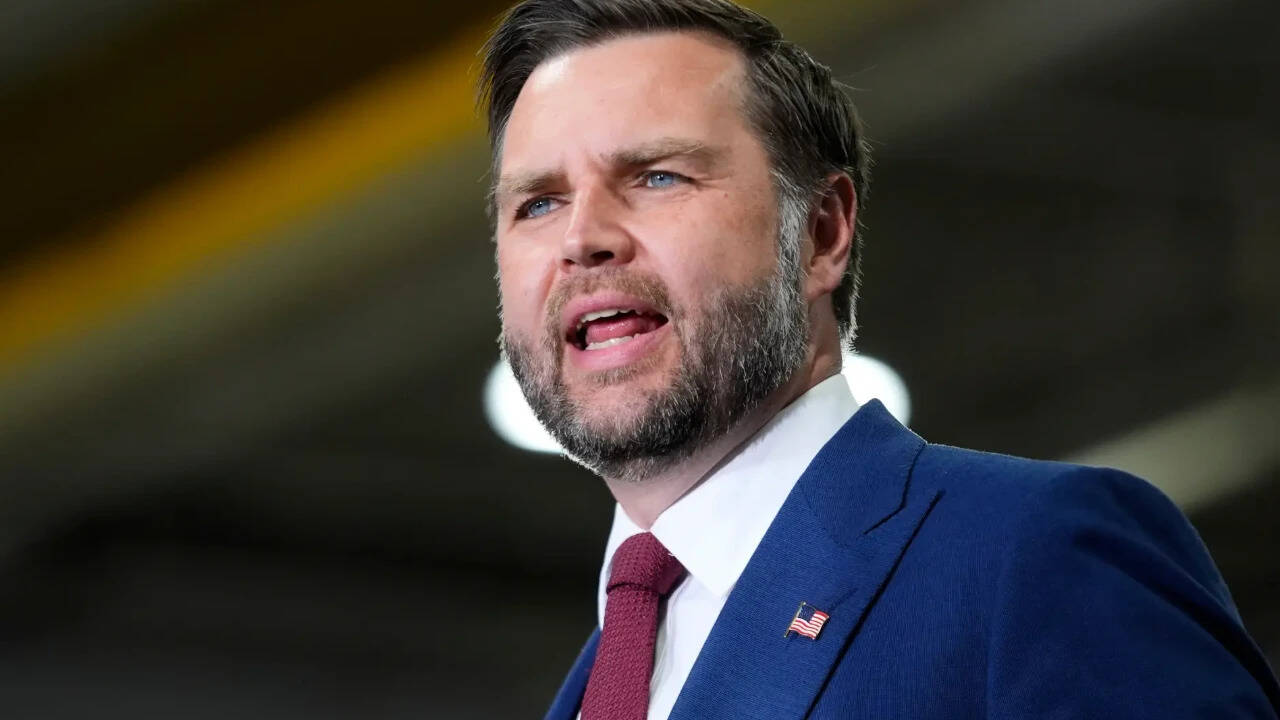
Months later, looking back from the vantage point of political survival and shifting power dynamics, Vice President-elect JD Vance articulated a thought that many felt in their bones but hesitated to voice out loud. In interviews reflecting on that chaotic summer day, he noted the grim alternative reality waiting in the wings. Had that bullet found a different trajectory, the nation would not have simply mourned. It would have fractured beyond repair. Real civil strife. Those were the words used. Not a metaphor. Not a rhetorical flourish. A literal unraveling.
Consider the fragility of a republic. We treat institutions like cast iron, heavy and indestructible, forgetting they are closer to spun glass, maintained only by the shared agreement not to shatter them.
When the shots rang out, the instinct of the crowd was terror, followed almost instantly by defiance. A fist thrust into the air. Blood on a cheek. A photograph captured the precise instant a symbol became a martyr in the eyes of millions. But step back from the camera flash for a moment. Look at the empty spaces between the polarized factions glaring at each other across digital chasms.
Strife does not start with an army marching down Main Street. It starts in the quiet kitchen conversations where grandparents stop talking to grandchildren. It starts when neighbors look at one another not as fellow citizens with differing ideas, but as existential threats. The attack in Butler acted as a magnifying glass, focusing the ambient heat of a deeply divided country into a single, burning point.
Vance’s assessment carries weight because of the vacuum that would have followed. In the immediate aftermath of a successful assassination attempt against a major political figure, the machinery of trust would have seized entirely. Conspiracy theories would not have been fringe beliefs whispered in dark corners; they would have become the dominant reality for half the country. Accusations of state-sponsored violence, institutional corruption, and systemic betrayal would have flooded the zone. When no one believes the referee, the game stops. When the game stops, the players pick up rocks.
We survived the summer, but survival is not the same as health.
Walking through an American airport or sitting in a local diner, the casual observer notices the quiet vigilance. People are tired. The outrage machine demands constant fuel, yet the public appetite for endless conflict is burning out, leaving behind a cold ash of exhaustion. Yet, the underlying fault lines remain active. Tectonic plates do not stop grinding just because there is a temporary lull in the earthquake.
To understand the gravity of what was avoided, one must look at the historical precedent of political violence. When leaders fall to assassins, nations usually contract, hardening their borders internally, purging dissent, and retreating into tribal safety. The 2024 campaign season was already saturated with anxiety. Every rally felt like a high-wire act without a net.
When Vance spoke about the brink, he was acknowledging the terrifying speed at which civilization gives way to chaos. It is a thin crust over a boiling magma. We walked along that crust, looked down into the glowing fissures, and somehow pulled back.
Yet the question lingers, hanging in the autumn air long after the votes are cast and the administration transitions. What happens the next time the margin of error is not measured in millimeters? What happens when the institutional guardrails are tested by something they cannot absorb?
The answer is not found in policy papers or security briefings. It lives in the daily choice to lower the temperature, to refuse the easy dopamine hit of hatred, to recognize that the person across the aisle is breathing the same air and fearing the same collapse.
The shot in Butler echoed across a nation holding its breath. The smoke cleared, the wounded healed, and the calendar turned. But the edge of the cliff is still right there, visible if you look over the side.