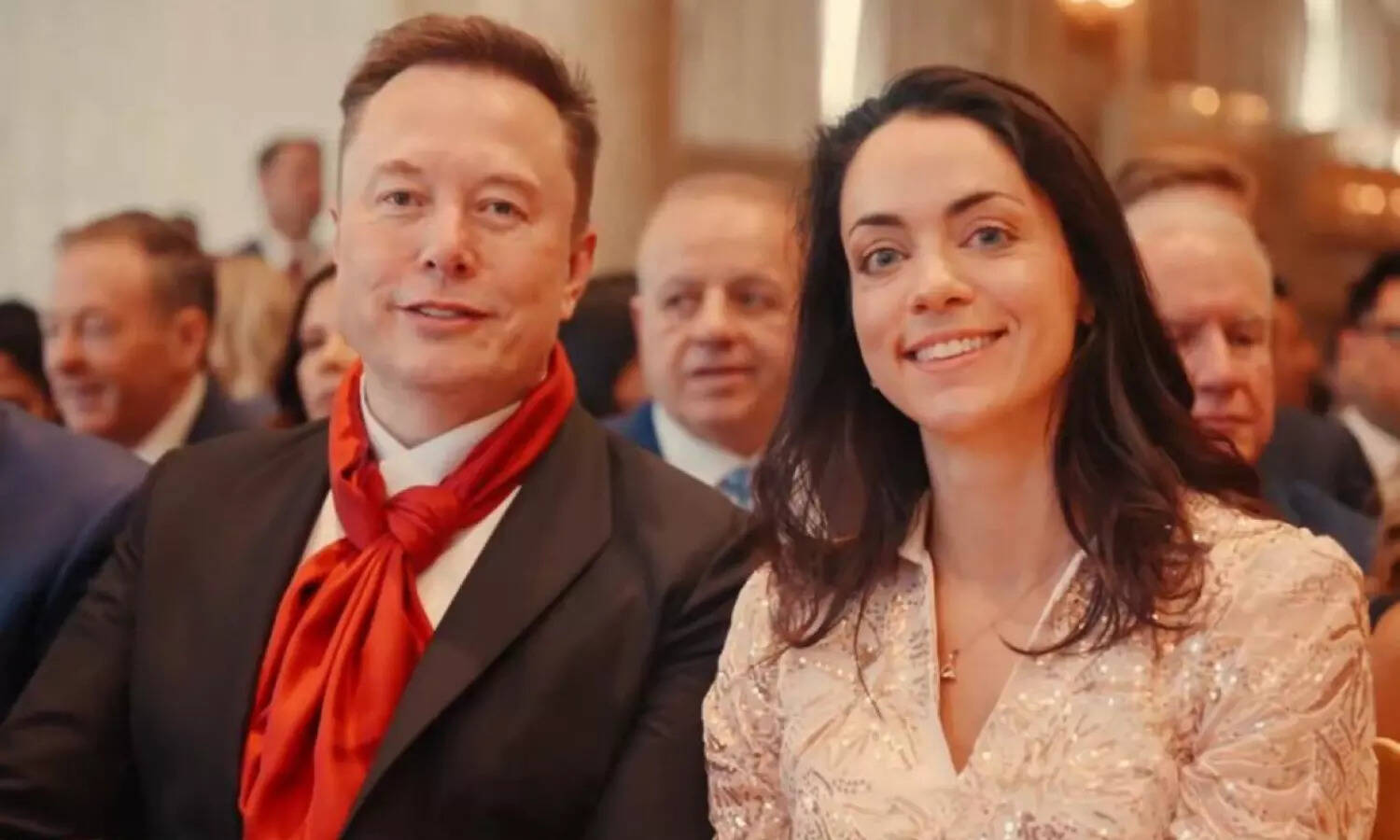
Tech billionaire Elon Musk frequently uses his personal life, family background, and executive hires as a shield when facing public accusations of racism or discriminatory practices across his corporate empire. When confronted with allegations regarding anti-Asian bias or broader racial prejudice on his platform X and within Tesla's manufacturing plants, Musk routinely points to specific personal details to counter the narrative. He highlights that his former romantic partner Shivon Zilis is of Indian descent, and notes that one of his sons carries the middle name Chandrasekhar, honoring the Nobel Prize-winning Indian-American astrophysicist Subrahmanyan Chandrasekhar.
This pattern of public defense is not an isolated incident. It serves as a tactical response to mounting regulatory scrutiny, high-profile lawsuits, and advertiser retreats. By weaponizing personal connections and naming conventions, Musk attempts to reframe systemic corporate criticism into a question of personal intent, shifting the spotlight away from documented workplace complaints and platform governance issues.
The Strategy of Personal Shielding
When corporate leaders face reputational threats involving racial bias, standard public relations manuals suggest issuing audited diversity reports or pledging structural reforms. Musk consistently rejects that playbook. Instead, he leans into personal anecdotes to dismantle accusations before they gain traction in mainstream media.
Pointing to a child's name or a partner's heritage allows a high-profile figure to construct an immediate emotional defense. It appeals directly to public perception rather than legal scrutiny. In the court of public opinion, saying "my family reflects diversity" functions as a rapid counter-punch. However, legal experts and civil rights investigators separate personal domestic relationships from institutional accountability. A chief executive's personal life does not alter workplace conditions on a factory floor or content moderation algorithms on a global social network.
Musk’s public statements about his son's middle name, Chandrasekhar, draw on the legacy of a titan in theoretical astrophysics. Subrahmanyan Chandrasekhar won the 1983 Nobel Prize in Physics for his mathematical treatment of the structure and evolution of stars, establishing the maximum mass of a stable white dwarf star. Invoking a distinguished scientific figure lends an intellectual gravity to the defense, attempting to anchor the argument in admiration for non-Western intellect. Yet critics point out that honoring a historical scientist does not address contemporary grievances raised by former employees or civil rights organizations.
Systematic Problems at Tesla and X
The personal defense narrative emerges against a backdrop of legal and financial pressures. Tesla has faced repeated lawsuits from state agencies, federal enforcement bodies, and former workers alleging racial harassment at its main assembly facility in Fremont, California.
The California Department of Fair Employment and Housing, along with the U.S. Equal Employment Opportunity Commission, filed complaints citing severe racial segregation and verbal abuse directed at Black workers on the factory floor. Employees reported rampant use of racial slurs, offensive graffiti in common areas, and unequal assignment of physically demanding tasks. In multiple instances, federal judges upheld jury verdicts finding Tesla liable for maintaining a hostile work environment, though damages were later adjusted upon appeal.
Simultaneously, Musk’s acquisition of Twitter—now X—brought content moderation policy to the forefront of national debate. After slashing trust and safety teams, the platform saw an increase in hate speech and slurs. Major civil rights organizations documented a surge in anti-Black, anti-Semitic, and anti-Asian rhetoric, prompting a massive exit of major corporate advertisers concerned about brand safety.
To counter the fallout, Musk adopted a multi-pronged approach:
- Dismissal of critics: Framing advocacy groups and civil rights organizations as politically motivated actors trying to silence free speech.
- Personal credentials: Highlighting multicultural family ties and international hiring practices within his executive suite.
- Platform metrics: Claiming that hate speech impressions have declined based on internal, unverified data sets.
This triple approach creates a noisy public debate, making it difficult for casual observers to track actual policy changes versus public relations maneuvers.
The Gap Between Intent and Impact
A fundamental disconnect exists between individual intent and corporate liability. In employment law, an executive's personal views on race are secondary to the operational realities within the organization they govern.
When a corporation faces allegations under Title VII of the Civil Rights Act, courts evaluate whether management knew or should have known about pervasive harassment and whether they took prompt remedial action. Highlighting an executive's multi-ethnic household or personal appreciation for foreign scientists carries no legal weight in these proceedings.
Consider a hypothetical manufacturing company where the chief executive is married to an immigrant engineer. If line managers at a regional plant systematically deny promotions to minority workers and allow hate symbols in breakrooms, the chief executive's personal life provides zero defense against federal discrimination charges. The law evaluates systemic outcomes and management response, not domestic relationships.
Musk's rhetorical tactic conflates personal identity with corporate governance. By presenting his household dynamics as evidence of a non-discriminatory mindset, he attempts to render accusations of institutional racism illogical. The strategy works effectively with his core supporters, who view the claims as bad-faith political attacks, but it falls flat with institutional investors and corporate advertisers who demand clear policy metrics and legal compliance.
The Economics of Reputation Management
Public relations strategies at the executive level carry tangible financial consequences. The advertiser exodus on X wiped out billions in revenue within months of Musk taking control. Brands like Apple, Disney, and IBM suspended marketing campaigns not out of personal animosity toward Musk, but because their internal risk assessments flagged platform content as toxic to consumer trust.
In response, Musk's public appearances and posts often alternate between aggressive defiance and appeals to his personal character. The reference to Subrahmanyan Chandrasekhar and his partner's Indian heritage fits directly into this loop. It aims to reassure international partners, particularly in growing markets like India, where Tesla has negotiated manufacturing and import tariffs with government officials.
Maintaining a positive image in South Asia is commercially strategic. India represents one of the largest emerging markets for electric vehicles and satellite internet services like Starlink. Deflecting allegations of anti-Asian bias helps preserve the executive's standing in a region crucial for global expansion plans.
Institutional Accountability Versus Personal Narrative
The conflict between Elon Musk and his critics illustrates a broader tension in modern corporate leadership: the dominance of personal brand over institutional governance. When a founder-led company ties its identity so closely to an individual, corporate crises automatically become personal character battles.
Civil rights advocates continue to demand concrete actions rather than personal anecdotes:
Transparent Workplace Audits
Independent third-party evaluations of factory conditions, hiring pipelines, and promotion rates across Tesla and SpaceX.
Restored Trust and Safety Operations
Re-establishing dedicated teams on X to monitor and remove targeted hate speech and harassment, backed by clear public reporting.
Binding Arbitration Bans
Eliminating mandatory arbitration clauses in employment contracts, which historically kept workplace harassment claims hidden from public record.
Until these structural changes occur, public statements regarding family members, romantic partners, or scientific namesakes remain distraction techniques. They serve to soften news cycles and offer quick talking points for online defenders, but they do nothing to clean up factory floors, restore lost ad revenue, or fix platform moderation. The distinction between a founder's private affinity and an enterprise's public obligation remains absolute.


