Playing politics is expensive. When you run a trillion-dollar automaker, it can become a massive liability.
Right now, Elon Musk is dealing with a brutal reality check following the 2026 midterm elections, and Tesla investors are the ones footing the bill. While political donations are nothing new for Silicon Valley billionaires, Musk went all-in on partisan campaigning in a way no major public CEO has ever tried before. The result? Sliding stock prices, alienated customers, and an election hangover that refuses to go away.
If you own Tesla stock, or if you're just watching the intersection of big tech and Washington from the sidelines, you need to understand why this specific gamble backfired. It isn't just about angry tweets or cable news outrage. It's about basic math, brand erosion, and what happens when a company's biggest asset turns into its biggest political lightning rod.
The Anatomy of a Costly Midterm Gamble
Most corporate executives play both sides of the aisle. They write quiet checks to political action committees, hire seasoned lobbyists, and keep their personal voting habits strictly off the record. They do this for one simple reason. Half of their potential customers vote one way, and the other half vote the other way.
Musk threw that entire playbook out the window.
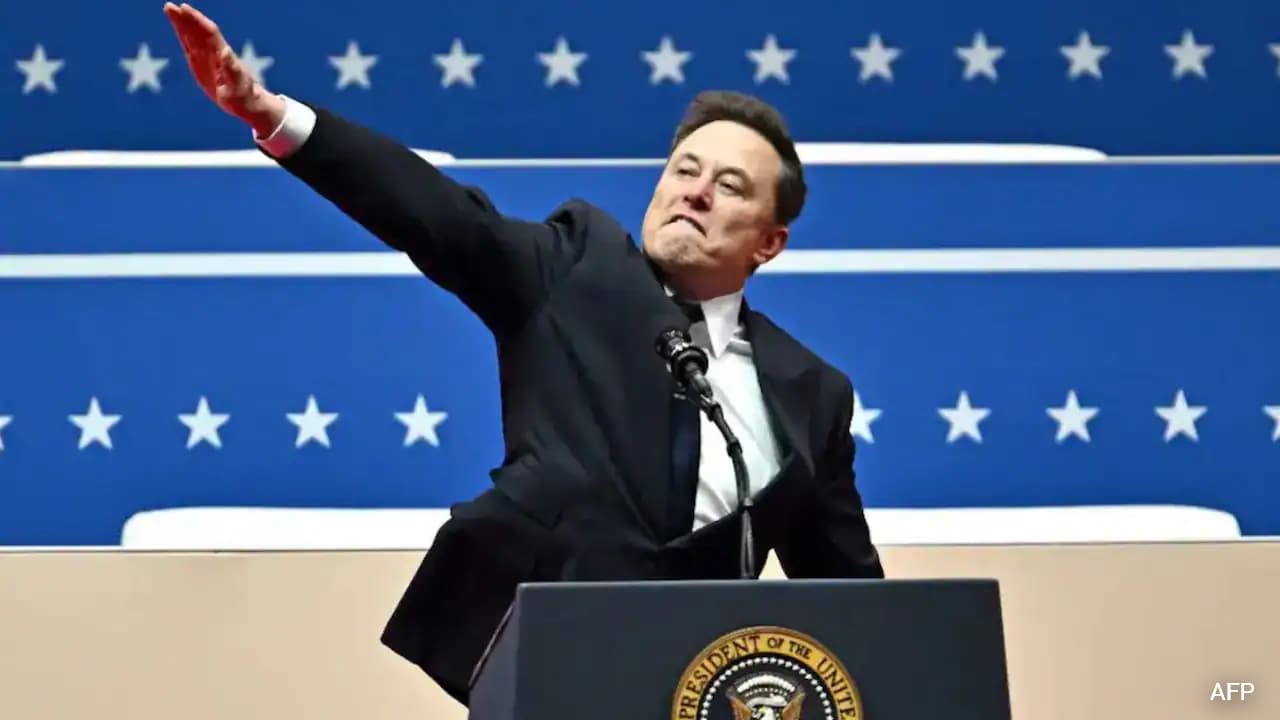
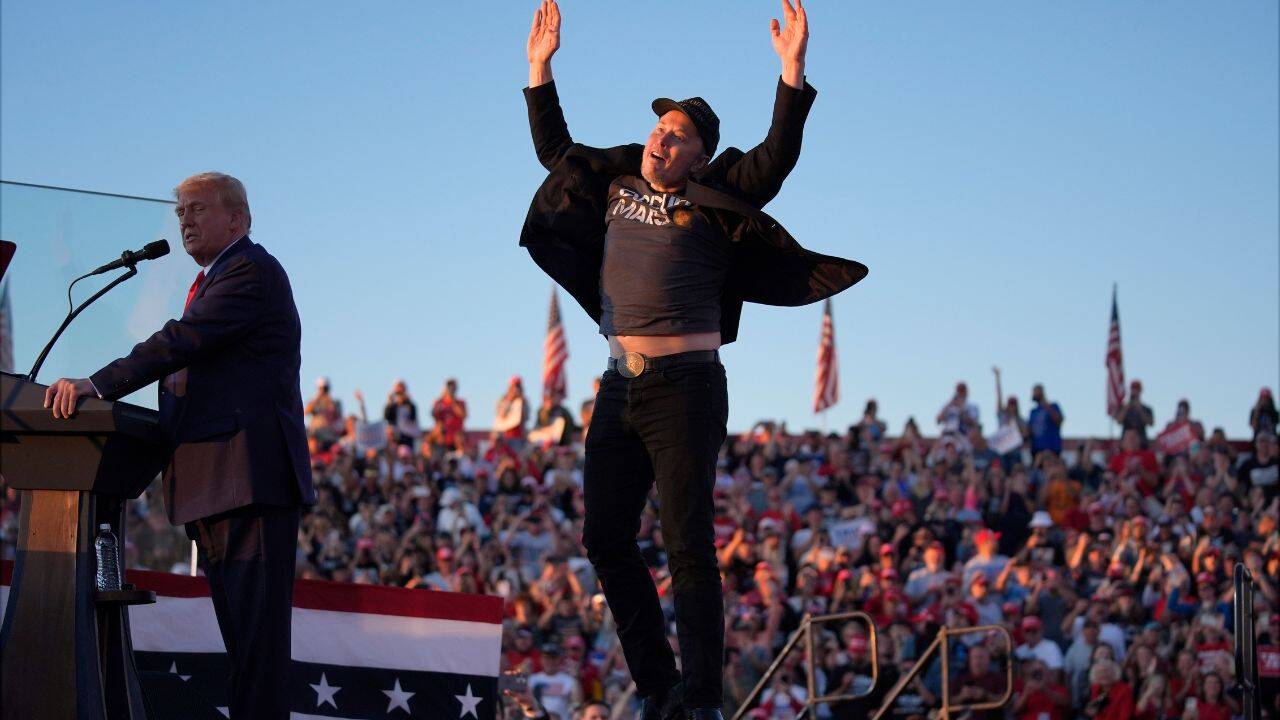
Leading up to the 2026 midterms, his involvement went way beyond writing a few standard campaign checks. Through his America PAC and relentless daily posting on X, he turned himself into a de facto campaign surrogate. He poured tens of millions of dollars into swing districts, campaigned openly for hardline candidates, and tied his personal brand directly to partisan outcomes.
Wall Street noticed. And Wall Street hated it.
Institutional investors don't care much about a CEO's personal politics until those politics start messing with quarterly earnings. When the midterm dust settled and the expected political tailwinds failed to materialize into immediate regulatory magic for Tesla, the market reacted fast. Shares slid as analysts started pricing in a new risk factor—one that has nothing to do with battery chemistry or gigafactory output.
Why Tesla Stock Takes the Brunt of Political Blowback
You might wonder why a political bet affects a car company so directly. After all, plenty of billionaires fund political movements without tanking their stock prices.
The difference is how tightly Tesla's valuation is tied to Elon Musk himself. For years, investors happily paid a massive premium for Tesla shares—often valuing the company higher than every other major automaker combined—because they believed in Musk's vision. That "Musk premium" worked wonders when he was seen purely as a generational engineering genius pushing humanity toward sustainable energy.
Now, that exact same dynamic works in reverse.
The Core Buyer Paradox
Here is the fundamental problem Tesla faces in 2026. The demographic most likely to buy an electric vehicle in the United States leans heavily Democratic, environmentally conscious, and urban. Meanwhile, the political base Musk spent the midterm cycle courting has historically been the most skeptical of EVs, climate subsidies, and charging infrastructure mandates.
I've watched brand loyalty metrics in the auto sector for over a decade, and you rarely see a company actively alienate its core buyer base while failing to convert a new one. Data from market research firms like Morning Consult and S&P Global Mobility has repeatedly shown a sharp decline in brand consideration among left-leaning consumers over the past two years.
People don't just buy a Tesla to get from point A to point B. They buy it as a statement about the future. When driving a Model Y starts feeling like wearing a political bumper sticker you didn't ask for, buyers quietly walk across the street to Hyundai, Rivian, Ford, or BMW.
Competition Isn't Waiting Around
Five years ago, if you wanted a long-range electric vehicle with a reliable fast-charging network, Tesla was practically your only real option. Buyers tolerated quirks in build quality and ignored CEO drama because there wasn't a viable alternative.
That monopoly is dead.
Legacy automakers and aggressive newcomers have flooded the market with compelling EVs across every price tier. Even worse for Tesla, opening up the Supercharger network to rival brands removed its single biggest competitive moat. A buyer who feels turned off by Musk's midterm rhetoric no longer has to sacrifice charging convenience to buy a competing electric car. They have choices, and they are using them.
What Wall Street Actually Worries About
If you read financial analyst notes from firms like Morgan Stanley or Wedbush, you'll see a clear split between Tesla's long-term tech potential and its short-term operational headaches. The sliding stock price isn't just a knee-jerk reaction to election night headlines. It reflects three concrete business risks that got worse during the midterm cycle.
- Distraction at the top. Running Tesla, SpaceX, xAI, and X is already an impossible workload for one human being. Adding full-time political strategist and PAC fundraiser to that list leaves investors wondering who is actually minding the store while margins compress.
- Regulatory whiplash. By picking aggressive political fights, Musk risked turning federal agencies and state regulators into adversaries. Whether it's National Highway Traffic Safety Administration investigations into Full Self-Driving or environmental permits for new factories, alienating half the government is a terrible long-term strategy.
- Loss of international goodwill. This isn't just an American problem. European and Asian consumers watch U.S. politics closely. In key European markets like Germany and Scandinavia—regions crucial for EV adoption—Tesla's market share has faced stiff headwinds as local buyers sour on the brand's American political baggage.
Honestly, the numbers tell the story better than any pundit could. When an automaker has to repeatedly slash vehicle prices just to keep factory utilization up, its operating margins take a beating. You can blame high interest rates for part of that slowdown, sure. But you can't ignore the self-inflicted demand problem sitting right in the middle of the showroom.
The Myth of the Political Payoff
Supporters of Musk's political pivot often argue that it's a calculated business move. The theory goes like this: spend money now to elect friendly politicians, and those politicians will gut red tape, fast-track autonomous vehicle approvals, and protect your companies from government overreach.
In theory, that sounds like standard Washington transactional politics. In practice, it rarely works out cleanly for consumer-facing brands.
First, political capital evaporates fast. Even when favored candidates win, legislative gridlock and competing priorities mean regulatory favors don't magically appear overnight. Autonomous driving regulations, for instance, involve complex state-by-state insurance laws, federal safety standards, and local municipal rules. No single midterm election sweeps all of that away.
Second, the financial math doesn't even come close to balancing out. Spending $50 million or $100 million on political action committees might buy influence in Washington, but if that same campaign wipes $50 billion off your company's market cap and depresses global vehicle deliveries, you made a terrible trade.
What This Means for Investors and Market Watchers
If you're holding Tesla shares right now, you're essentially betting that artificial intelligence, robotics, and autonomous robotaxis will eventually make car sales irrelevant. That is the core thesis keeping the stock from falling even further.
Maybe that bet pays off by 2030. Tech history is full of moments where Musk proved skeptics wrong on timelines and engineering hurdles.
Until those futuristic revenue streams actually show up on a balance sheet, though, Tesla still makes its money selling cars and energy storage to regular people. And regular people have long memories when it comes to brands that pick fights with them.
Smart investors should stop watching Musk's X feed for clues about the next stock bounce and start tracking three hard metrics instead. Watch quarterly automotive gross margins excluding regulatory credits, monitor regional registration data in California and Western Europe, and pay close attention to inventory days of supply. Those numbers won't lie about whether the election hangover is fading or turning into permanent brand damage. If deliveries keep stagnating while the broader EV market grows, no amount of political influence in Washington will save the stock from gravity.