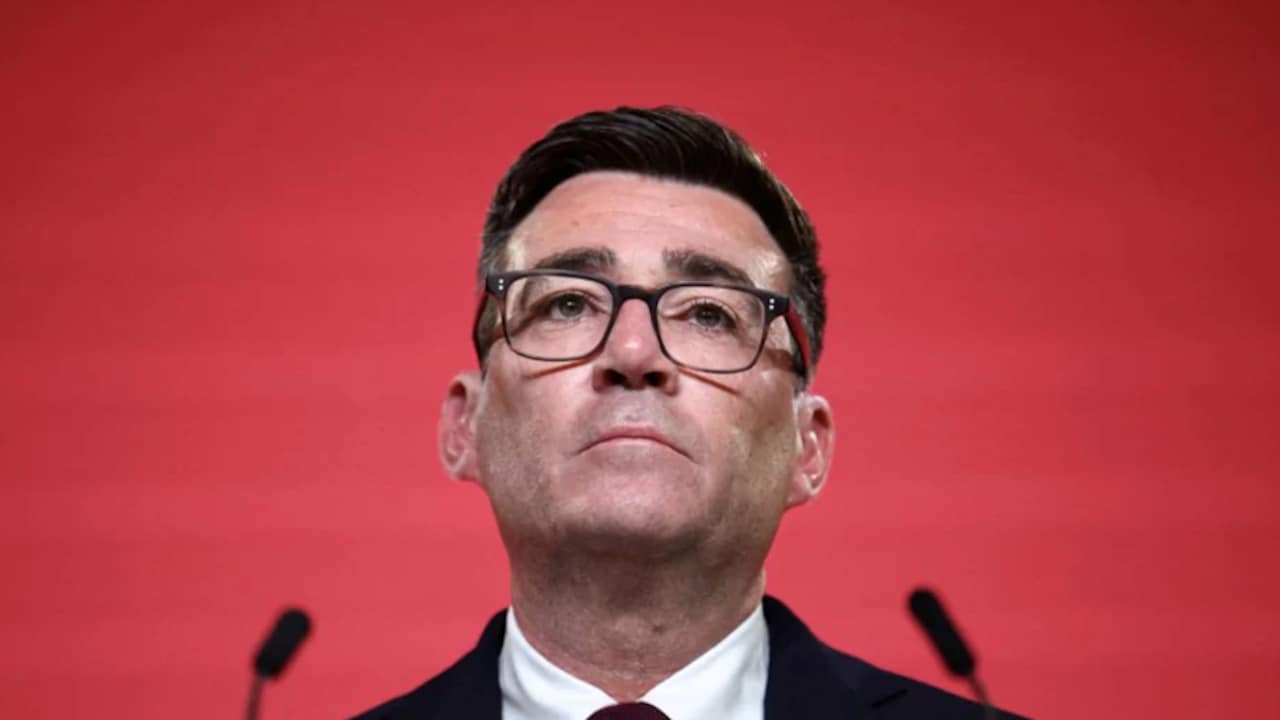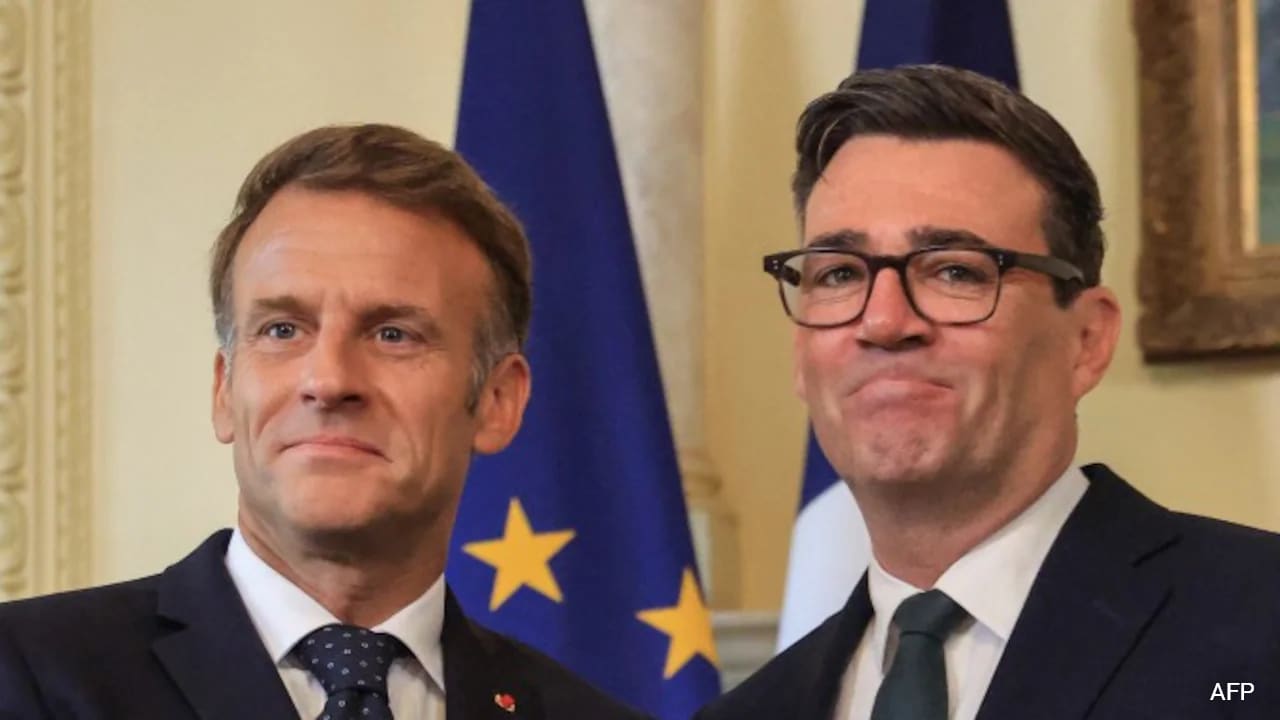
When Emmanuel Macron casually tossed a "welcome back" into the room after the UK prime minister hinted at warming up relations with the European Union, political pundits lost their minds. Everyone scrambled to decode the French president's smirk. Did he mean tomorrow? Did he mean a full renegotiation? Or was it just classic diplomatic theatre designed to needle London while looking magnanimous?
Honestly, the reality is far more practical than the headlines suggest. Macron isn't handing out blank checks for a quick return, but he isn't slamming the door shut either. Europe has changed dramatically since the Brexit vote shook the continent in 2016. Brussels isn't standing still waiting for Downing Street to sort out its political identity crisis. If Britain ever wants back inside the tent, the rules of engagement are going to look entirely different.
The Real Agenda Behind the French Smile
Let's cut through the official statements. When Macron says welcome back, he's looking at a continent facing severe economic headwinds, shifting global superpowers, and a fragmented security landscape. A fractured relationship with the UK serves nobody in Paris or Berlin for very long.
Yet, French leadership has always taken a hardline stance on EU rules. They aren't about to offer the UK a bespoke VIP pass with all the previous rebates and exemptions. If Britain wants to talk about rejoining the European Union, they have to accept the reality of the single market and the customs union without special privileges.
That means no more cherry-picking the parts of the bloc that sound nice while dodging the heavy lifting. Macron knows that floating the idea keeps pressure on the current UK administration to stay aligned on defense and trade, even if formal membership remains years away. It's strategic positioning wrapped up in a polite greeting.
What Westminster Won't Say Out Loud
British politics remains deeply allergic to honesty about the true cost of Brexit. Every major party leader dances around the topic because the wounds from the referendum are still raw. Mentioning a path toward rejoining the European Union gets you branded as an elite out-of-touch plotter in certain tabloids, while ignoring the economic drag gets you laughed at by economists.
The hard data doesn't lie. Supply chain friction, regulatory divergence, and labor shortages have quietly bled growth from the British economy quarter after quarter. Businesses didn't scream about it every single day, but they quietly adjusted their investments away from the UK.
When a prime minister even hints at a closer alignment or a future pivot back toward Brussels, it's usually because the domestic pressure from stagnating public services and sluggish GDP growth has become impossible to ignore. They need options. They need growth levers. And right now, the easiest growth lever sitting on the table is fixing the self-inflicted trade barriers with our nearest neighbors.
Why a Simple Return Is Impossible
Suppose tomorrow morning Westminster holds a sudden change of heart and formally applies to jump back into the bloc. Do you think European leaders would just roll out the red carpet and hand over the keys? Not a chance.
The institutional machinery of the EU operates on grueling consensus. Every single member state holds a veto. Think about countries like Hungary or Poland, or political factions in Italy and France who would demand strict concessions before signing off on a returning Britain.
Furthermore, the UK would lose its legendary rebate negotiated back in the Margaret Thatcher era. They would likely be forced to commit to the euro timeline eventually, just like newer member states. The era of exceptionalism for Britain inside the European project is dead and buried. Macron understands this better than most, which is why his invitation comes with an invisible asterisk the size of the English Channel.
The Path Forward Without the Spin
Realistically, nobody is packing bags for Brussels this month or next. The political calendar in both London and European capitals makes a full accession process toxic for current administrations.
Instead, expect a slow creep of normalization. Defense pacts that look suspiciously integrated. Youth mobility schemes that ease travel restrictions for students and workers. Research grants and energy sharing agreements that slowly knit the infrastructure back together without anyone ever having to say the words rejoining the European Union out loud.
Politicians love grand gestures because they make good television. But geopolitical reality is built on boring bureaucratic compromises. Macron got his headline, the UK prime minister tested the waters, and the actual work of fixing broken trade lines will happen behind closed doors over the next decade. Keep your eyes on the regulatory alignment talks, not the soundbites. That is where the actual future of Europe gets written.