The afternoon tea goes cold. It always goes cold now.
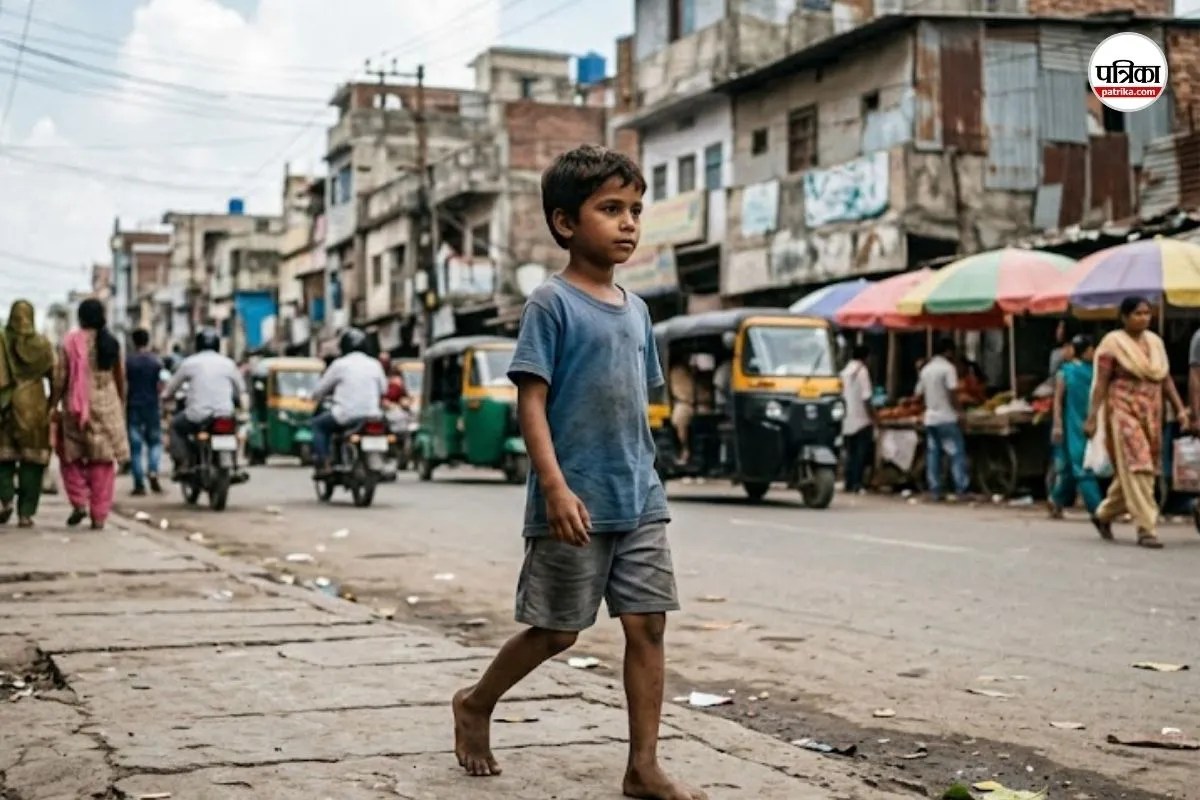
In a modest, fluorescent-lit apartment in Mirpur, a mother stares at a pair of small, blue canvas shoes left neatly by the front door. They have been sitting there for seven months. They gathered a thin layer of grey dust through the changing monsoons, through the suffocating humidity of summer, through the quiet, restless nights where sleep feels like a distant country. The shoes belong to her nine-year-old son, Tanvir. He walked out to buy a notebook for his school drawing class and simply evaporated into the bustling Dhaka afternoon.
He did not vanish into thin air. Streets swallowed him. Crowds concealed him. Time stretched, and he became a statistic.
Numbers are cold things. They are ink on white paper, digits on a screen, detached and sterile. We read them over morning coffee and sigh before turning the page. But behind every digit is a heartbeat, a pair of worn-out shoes, a frantic parent tearing through police stations with a faded photograph held tightly in sweaty palms.
Look at the ledger. Over the span of just seven months, approximately sixteen thousand children vanished across Bangladesh.
Process that. Let the weight of it settle against your ribs. Sixteen thousand young lives detached from their anchors, translating to more than seventy-five children disappearing every single day. Seventy-five today. Seventy-five tomorrow. Seventy-five the day after that. It is an industrial-scale heartbreak, unfolding quietly in alleyways, bus terminals, and railway stations while the rest of the world hurries past.
How does a society allow its smallest, most vulnerable inhabitants to slip through the cracks of everyday life?
To understand this crisis, you have to step away from the bureaucratic press releases and walk the crowded platforms of Kamalapur Railway Station. Imagine a twelve-year-old boy named Rahim, running away from a volatile home or lured by the glittering promise of big-city wages. He arrives with empty pockets and wide eyes. Within hours, the noise of the station swallows him. The shadows are long, and the predators operating in those shadows are patient.
Child trafficking networks do not always operate like cinematic thrillers with black vans and masked villains. Often, they look like opportunity. A warm meal from a stranger. A promise of a factory job that pays enough to send money back to a struggling village family. An offer of shelter from a relentless downpour. By the time the child realizes the trap, the borders have blurred, the identification papers are gone, and a new name has been assigned.
Parents across the country are left in a state of purgatory. The local police stations are overburdened, under-resourced, and drowning in paperwork. When a child goes missing from a marginalized family, the search often begins with a shrug and ends with bureaucratic indifference. Files stack up. Ink fades. The grief, however, does not fade. It sharpens.
Consider the psychological toll on a household where a child is missing. It is a grief with no funeral, no closure, no finality. Mothers keep cooking extra portions of rice, half-expecting the latch to lift. Fathers wander the chaotic streets of industrial zones, showing crumpled photographs to weary rickshaw-pullers and tired shopkeepers. Every ringing phone is a heart attack. Every knock on the door is a phantom hope.
The security apparatus of the nation stands challenged. When seventy-five children vanish daily, it ceases to be merely a law enforcement issue; it is a systemic failure of protection. It points to porous transit hubs, inadequate child-tracking databases, and a dangerous societal apathy toward the floating population of street children who are most at risk of exploitation.
Yet, resilience stubbornly persists in the darkest corners. Grassroots organizations and volunteer networks work tirelessly, matching blurry photographs with frightened faces found in juvenile shelters. They do the work that institutions often fail to prioritize. They listen to the whispers of informants, scour social media groups dedicated to missing persons, and sit across from weeping mothers, offering a shoulder when hope feels entirely bankrupt.
The blue canvas shoes in Mirpur remain untouched. The mother refuses to move them. She insists that cleaning them would mean accepting a reality she rejects with every fiber of her being.
As the sun sets over the concrete expanse of the city, casting long, bruised shadows across the crowded thoroughfares, another day closes. Somewhere out there, a child is looking for a way home. And the rest of us are left to wonder how many more empty chairs it will take before the world decides to notice.



