The trajectory of the active Ebola outbreak in the Democratic Republic of the Congo reveals structural vulnerabilities in regional containment protocols, having surpassed six thousand confirmed cases and nearly three thousand fatalities across six distinct provinces. Characterized by an approximate case fatality rate of forty-eight percent, this public health emergency demands an analytical assessment beyond surface-level reporting, focusing instead on the systemic friction points that drive viral transmission and impede clinical intervention.
The Transmission Matrix and Vector Dynamics
Understanding the velocity of viral dissemination requires examining the baseline mechanics of zoonotic spillover intersecting with dense human mobility networks. The current propagation vector stems primarily from the Bundibugyo strain, creating an operational challenge because standard countermeasures optimized for the Zaire species do not translate directly into immediate immunological protection.
- Zoonotic Reservoirs: Initial transmission channels trace back to primary animal-to-human contact within forested zones of northeastern regions like Ituri, driven by local ecological encroachment and bushmeat consumption patterns.
- Regional Mobility Amplifiers: Secondary transmission accelerates along commercial transport corridors connecting rural outbreak epicenters to densely populated urban nodes.
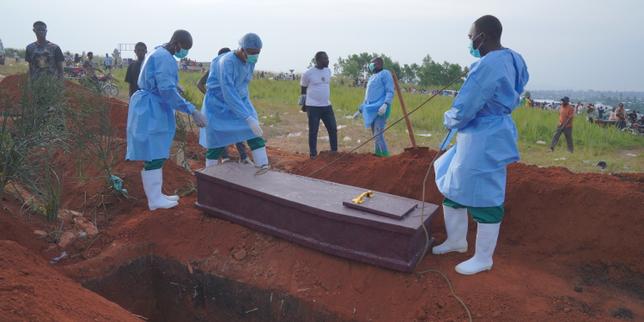
- Fluid Exposure Pathways: Traditional burial practices and home-based care models continue to function as primary community-level propagation vectors, bypassing institutional triage barriers.
These compounding variables establish an environment where traditional contact tracing falls short of the transmission rate. When tracking velocity, public health metrics indicate that lag times between symptom onset and formal isolation create secondary infection windows within household units.
Intervention Bottlenecks and Clinical Limits
Mitigation strategies face severe operational friction due to an absence of validated, strain-specific prophylactic vaccines and targeted therapeutics. While regulatory bodies and international health agencies have deployed emergency clinical trials utilizing assets developed for alternate viral clades, the empirical data regarding cross-strain efficacy remain under evaluation.
Clinical infrastructure limitations exacerbate the crisis. Isolation wards experience intermittent supply chain failures regarding personal protective equipment and rehydration therapies necessary to manage fluid loss. Furthermore, community mistrust toward centralized treatment centers frequently drives infected individuals into hiding, effectively shielding active chains of transmission from epidemiological surveillance teams.
Resource Allocation and Containment Vectors
Strategic containment depends upon optimizing three core operational pillars: decentralized testing laboratories, community-led engagement frameworks, and secure border screening protocols across the six affected provinces. Historical precedents in the region demonstrate that top-down military or purely administrative mandates routinely fail without local civic integration.
To break the current transmission cycle, medical operations must pivot from reactive hospitalization to preemptive ring vaccination strategies coupled with rapid diagnostic testing at local health posts. Supply chain redundancies must be established immediately to bypass seasonal infrastructure degradation caused by regional precipitation patterns, ensuring continuous cold-chain maintenance for experimental therapeutics currently undergoing clinical evaluation.