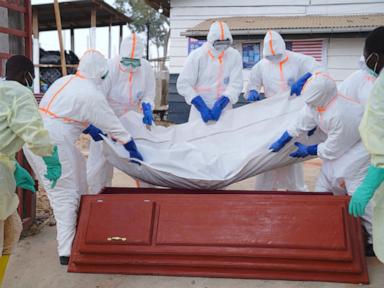
Pathogen containment relies entirely on friction. When an infectious agent encounters systemic resistance, transmission velocity drops. Conversely, when structural bottlenecks, geographical isolation, and behavioral friction align, an epidemic gains momentum. Analyzing viral containment efforts requires evaluating how public health infrastructure interacts with local ecology and community dynamics.
The response to an outbreak operates through specific operational channels. Tracing contagion vectors, managing clinical isolation protocols, and deploying ring vaccination strategies constitute the primary levers available to medical teams. Each lever carries a distinct cost function and operational vulnerability.
The Geography of Contagion and Terrain Constraints
Eastern regions present unique structural challenges for containment protocols. Topography directly dictates response velocity. Dense vegetation, dispersed rural settlements, and limited transport infrastructure create latency in case identification. When diagnostic samples require days to reach a certified laboratory, the window for effective contact tracing narrows.
This latency introduces a compounding error in epidemiological tracking. Every day a case remains unconfirmed in a remote community allows secondary transmission chains to multiply. The spread is not random; it follows economic and social trade routes. Markets, shared water points, and traditional burial ceremonies act as primary nodes in the transmission network.
The Mechanics of Surveillance Bottlenecks
Effective surveillance requires continuous data input and rapid analytical processing. In resource-constrained environments, data collection suffers from systemic friction points:
- Reporting Lag: The time elapsed between symptom onset and formal notification to health authorities.
- Diagnostic Capacity: The availability of reverse transcription-polymerase chain reaction testing equipment within localized health zones.
- Community Trust: The degree to which populations cooperate with surveillance teams versus concealing symptomatic individuals due to fear or cultural stigma.
When community trust erodes, data visibility drops to near zero. Public health interventions then operate in a vacuum, relying on retrospective mortality data rather than real-time incidence tracking.
Operational Levers in Containment Strategy
Stabilizing an outbreak zone requires shifting from reactive treatment to proactive interruption of transmission chains. This transition depends on three core functional components.
Contact Tracing Resolution
Contact tracing is a spatial and temporal mapping problem. Field teams must identify every individual who interacted with an infected person during their symptomatic period. The resolution of this mapping determines containment success. A high-resolution trace identifies eighty percent or more of contacts within forty-eight hours of a confirmed diagnosis.
When resolution drops below operational thresholds, transmission outpaces tracing capacity. The outbreak transitions from a localized cluster to a distributed transmission network, requiring exponentially more resources to suppress.
Ring Vaccination Logistics
Ring vaccination—immunizing the contacts of confirmed cases and the contacts of those contacts—creates a biological firewall around the pathogen. However, the efficacy of this intervention relies on cold-chain integrity and rapid deployment.
Biological vaccines often require strict temperature controls. Deploying these vaccines into remote eastern regions tests the limits of cold-chain infrastructure. Power grid instability, transport delays, and equipment degradation threaten dose viability.
Clinical Isolation and Nosocomial Risk
Treatment centers serve a dual purpose: providing palliative and therapeutic care to patients while removing infectious individuals from the community. However, poorly managed treatment facilities can become amplification sites for nosocomial transmission.
Infections among healthcare workers signal a failure in infection prevention and control protocols. Beyond the tragic human cost, losing experienced medical staff degrades the operational capacity of the entire response structure, reducing community confidence and increasing transmission rates.
Systemic Vulnerabilities and Mitigation Limits
No containment strategy operates without failure points. Recognizing these limitations prevents misallocation of resources and manages expectations regarding viral suppression timelines.
Resource allocation often suffers from delayed mobilization. International funding and expert deployment frequently lag behind the early exponential growth phase of an outbreak. By the time logistical supply chains are fully established, the geographic footprint of the virus has expanded, requiring a decentralized response model that strains administrative oversight.
Furthermore, economic dependencies can conflict with public health mandates. Populations reliant on subsistence farming, cross-border trading, or daily wage labor face severe economic displacement when movement restrictions or market closures are enforced. If containment measures impose unsustainable survival costs on local communities, compliance drops, driving transmission underground.
Strategic Forecast for Regional Stability
Containing an outbreak in a geographically complex region requires continuous adjustment of intervention parameters. The primary determinant of success is not merely the availability of medical countermeasures, but the velocity atinker can deploy them into high-risk transmission nodes.
Future containment efficiency depends on decentralizing diagnostic capability to the point of care, streamlining supply chain logistics for cold-chain storage, and embedding community engagement into the earliest phases of operational planning. Eliminating surveillance latency remains the single highest-leverage objective for breaking transmission chains before localized surges overwhelm regional health infrastructure.