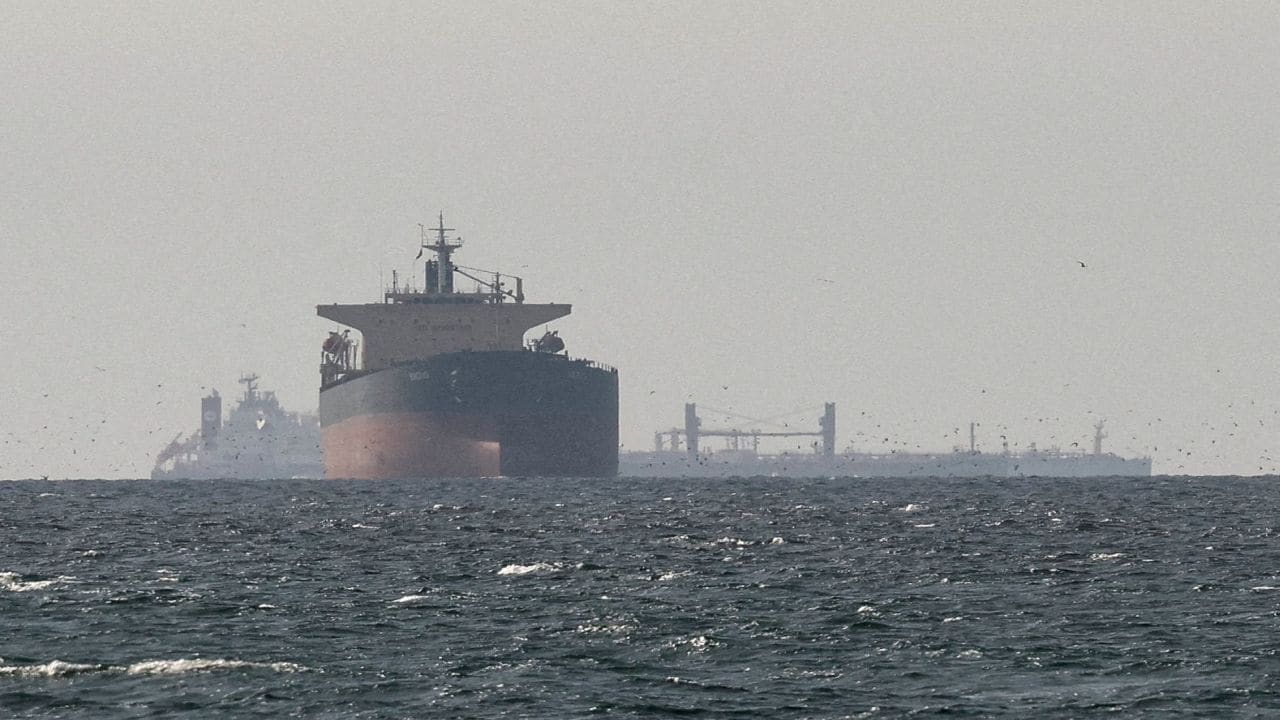
The Strait of Hormuz is currently a mess of naval blockades, sea mines, and geopolitical posturing that’s scaring the hell out of global shipping markets. For decades, the script was simple: if there’s trouble in the Persian Gulf, the United States Navy rolls in to "fix" it. But in April 2026, that script has been shredded. European nations, led by France and the UK, are now drafting a plan to secure the waterway themselves—and they’re pointedly telling Washington to stay home.
It's a massive shift in how the West handles the world's most critical oil chokepoint. While President Trump is pushing for a hardline blockade of Iranian ports and demanding the strait be opened by force, Europe is going the opposite way. They’ve realized that following the US into another Middle Eastern shooting war doesn't serve their interests. Instead, they're building a coalition of "non-belligerents" to do the dirty work of demining and escorting tankers once the current dust settles.
The plan to exclude the big players
The core of this new European-led mission is its exclusivity. French President Emmanuel Macron has been blunt: the mission will exclude "belligerent parties." In plain English, that means the US, Israel, and Iran are not invited to the party.
The logic here is practical, not just political. If a US destroyer escorts a tanker, it’s a target. If a French or Italian frigate does it under a purely defensive mandate, the hope is that it lowers the temperature. European diplomats have already confirmed their ships won't operate under American command. They’re looking for a neutral path to get trade moving again without getting sucked into a broader regional war that they honestly can't afford.
Three phases of the cleanup
This isn't just a vague diplomatic gesture. The proposal being shopped around by London and Paris has three very specific stages:
- Logistics and Release: There are hundreds of commercial ships currently stuck in the strait or anchored nearby, paralyzed by the risk. Phase one focuses on the paperwork and coordination needed to get these vessels moving safely.
- The Great Demining: Iran reportedly mined parts of the waterway earlier this year. Here’s a fact that might surprise you: Europe actually has a much better minesweeping fleet than the US. With over 150 specialized vessels, the European coalition plans a massive sweep to clear the "underwater IEDs" that make insurance companies' skin crawl.
- Escorts and Surveillance: Once the mines are gone, the coalition will deploy frigates and destroyers to act as bodyguards. It’s modeled after Operation Aspides, the EU's recent effort in the Red Sea.
Why Germany is the surprise heavyweight
For a long time, Berlin was the "maybe" in the room. Germany usually avoids naval deployments like the plague, preferring to send checks instead of ships. But this time is different. Reports suggest Germany is ready to jump in, potentially contributing significant surveillance assets and vessels.
When Germany joins a military mission, you know the economic stakes are through the roof. European gas prices hit over €50/MWh last month after the Hormuz shock. With 20% of the world's oil and a huge chunk of LNG passing through this 21-mile-wide gap, Berlin has decided that staying on the sidelines is more expensive than sending the Navy.
The Trump factor and the blockade
The elephant in the room is, of course, Washington. President Trump has been vocal about his frustration, essentially telling Europe that since they need the oil more than the US does, they should "just take it." He’s even suggested a total blockade of Iranian ports—a move that European leaders think is "unrealistic" and frankly dangerous.
There's a fundamental disagreement on strategy here. The US wants to use the strait as a lever to crush the Iranian economy. Europe just wants to buy gas without a 300% markup. By creating a separate coalition, Europe is trying to bypass the US-Iran cage match entirely. They’re even talking to Oman and Iran directly to coordinate the "defensive" nature of the mission. It’s a gamble that Tehran will tolerate a European presence while they’d shoot at an American one.
Decarbonization and the price of delay
This crisis has exposed a painful truth for the EU. They successfully moved away from Russian pipeline gas after 2022, but they replaced it with LNG. Most of that LNG comes on ships. When those ships can't get through Hormuz, Europe’s energy security crumbles.
This "decarbonization fragility" means that every day the strait is blocked, the political will for the green transition in Europe takes a hit. Governments are currently bleeding billions of euros to subsidize energy bills. They need the strait open now, and they’ve decided they can't wait for the US to finish its game of brinkmanship with Tehran.
What happens next
The next big move is a video conference scheduled for Friday, April 18. Macron and Prime Minister Keir Starmer are expected to host more than 40 countries to hammer out the framework. If you're watching this from the outside, look for whether India or China show up. They’ve been invited, and if they join a European-led effort, it’ll be the clearest sign yet that the era of American maritime hegemony in the Gulf is over.
If you’re a stakeholder in shipping or energy, don't expect a quick fix. Even if a ceasefire holds, demining the strait will take weeks, if not months. The most immediate step is the establishment of the "defensive corridor." Keep an eye on the insurance premiums for Suezmax and VLCC tankers—if the European plan gains traction, those rates should start to stabilize long before the first mine is actually cleared.