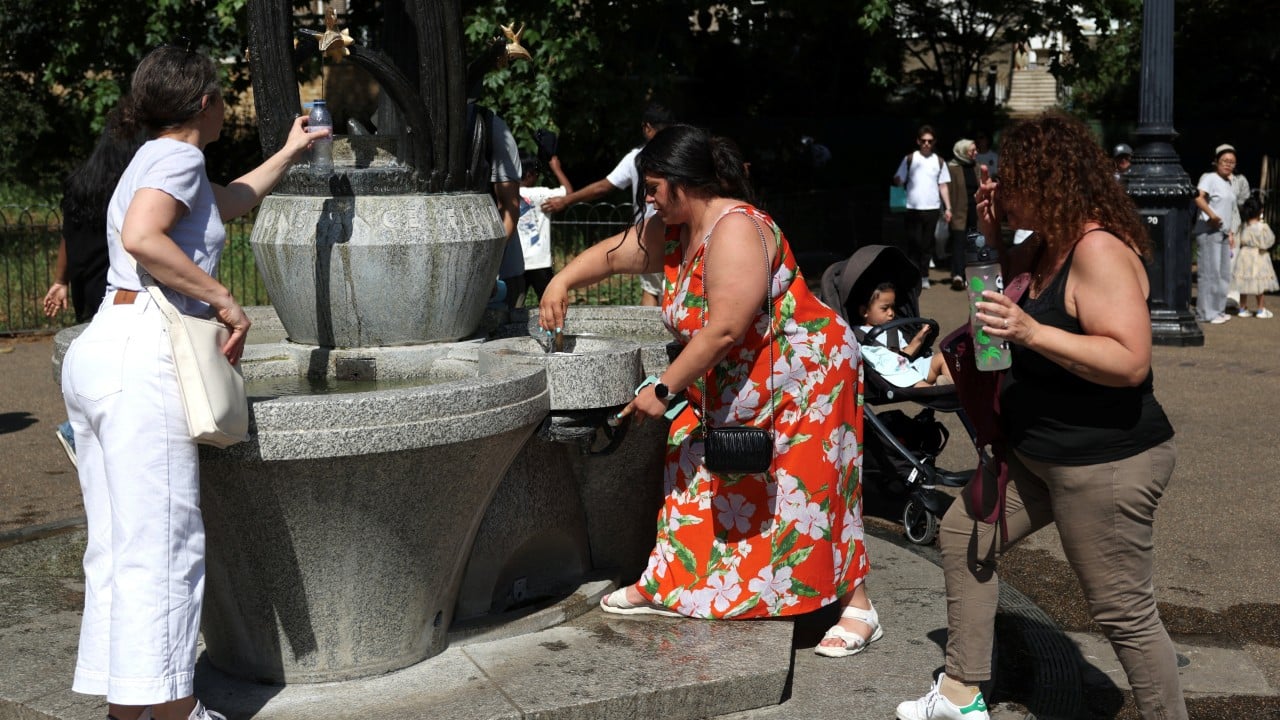
A massive heat dome over Europe is trapping scorching air across the UK, France, Italy, and Spain. Temperatures are soaring past normal summer levels, pushing power grids to their limits and melting asphalt. If you think this is just another hot summer, you're missing the bigger picture. This isn't a standard weather pattern. It's a atmospheric pressure cooker, and it's altering daily life across the continent.
People are searching for answers because their homes aren't built for this. Western Europe has historically relied on mild maritime air, not sustained multi-week blasts of high pressure. When a heat dome settles over a region, the high pressure acts like a lid on a pot. It traps the heat, compresses it, and prevents clouds from forming. This allows the sun to bake the earth continuously, drying out the soil and driving temperatures even higher.
Let's look at what's actually happening on the ground and how you can protect your health and property during these extreme spikes.
The Anatomy of the European Heat Dome
To fix a problem, you have to understand it. The current weather crisis stems from a strong ridge of high pressure parked directly over western and southern Europe.
Air sinks under high pressure. As it sinks, it compresses and warms up. This suppresses cloud cover, meaning the ground receives intense, uninterrupted solar radiation all day. The dry soil creates a feedback loop. Since there's no moisture in the ground to evaporate, the sun’s energy goes directly into heating the air.
Meteorologists at the World Meteorological Organization point out that these systems are becoming more frequent and stubborn. Instead of moving along from west to east like normal weather systems, they're getting stuck. The jet stream, which usually drives weather patterns, has developed deep, slow-moving waves. This stagnation leaves places like Spain and France cooking in tropical air masses for weeks on end.
Real Numbers from the Scorched Zones
This isn't a vague climate prediction for the future. It's happening right now.
In Spain, southern regions like Andalusia have seen thermometers cross 44°C. Local authorities in Seville have adjusted working hours for outdoor laborers, banning manual labor during peak afternoon hours to prevent heat stroke.
France is facing similar pressure. The national weather service, Météo-France, issued high-alert warnings for a significant portion of the country. Cities like Lyon and Paris are experiencing nighttime temperatures that don't drop below 25°C. That's the real killer. When the night stays hot, the human body can't cool down and recover, drastically increasing the risk of cardiovascular strain.
Across the channel, the UK is dealing with its own unique mess. While peak temperatures in England might top out around 34°C—lower than in Spain—the infrastructure simply cannot handle it. Less than 5% of British homes have air conditioning. The building regulations historically focused on insulation to keep heat in. Now, those same homes turn into brick ovens.
Italy's health ministry has issued "red alerts" for several major cities, including Rome and Florence. Hospital admissions for elderly citizens showing symptoms of severe dehydration and heat exhaustion have spiked by roughly 20% in the hardest-hit areas.
What Most People Get Wrong About Extreme Heat
Most people think staying hydrated just means drinking water when you feel thirsty. That's a mistake. By the time you feel thirsty, your body is already mildly dehydrated.
Another common error is relying entirely on electric fans when indoor temperatures exceed 35°C. According to the Centers for Disease Control and Prevention, fans do not prevent heat-related illness when the ambient air is that hot. They just blow hot air around, speeding up dehydration like a convection oven. You need actual cooling mechanisms, or you need to wet your skin and clothes to simulate sweat evaporation.
People also underestimate how heat impacts infrastructure. Railroad tracks expand and buckle under intense sun. Power grids experience massive load surges as everyone turns on cooling units simultaneously. This causes localized blackouts, which can quickly turn dangerous if you're trapped in a top-floor apartment without air circulation.
Upgrading Your Living Space for Extreme Weather
You don't need a multi-thousand-dollar HVAC system to make your living space survivable. You just need to apply basic thermodynamics.
Master the Window Game
Keep your windows, blinds, and curtains completely shut during the day. External shutters or reflective film on the glass work best because they stop the sun's energy before it passes through the pane. Once the sunlight enters your room, it converts into thermal energy and gets trapped. Only open your windows at night or in the early morning when the outside air is noticeably cooler than the inside air. Create a cross-breeze by opening windows on opposite sides of your living space.
Manage Indoor Heat Sources
Every appliance running in your home is a tiny space heater. Your refrigerator works harder in a hot room, dumping more heat out of its back coils. Avoid using the oven, dishwasher, or washing machine during the hottest hours. Switch off computers and TVs when you aren't using them instead of leaving them on standby. Switch to LED lightbulbs if you haven't already, as incandescent bulbs waste 90% of their energy as heat.
Direct Action for Personal Safety
If you're stuck in an area currently covered by the European heat dome, change your daily routine immediately. Don't try to power through your usual workout or yard work.
Monitor your urine color. It should be pale yellow, like lemonade. If it's dark like apple juice, you're losing the battle against dehydration. Sip water constantly throughout the day, and incorporate electrolytes if you're sweating heavily. Plain water alone won't replace the sodium and potassium you lose through perspiration, which can lead to cramping and dizziness.
Check on your neighbors. The elderly, infants, and people with pre-existing medical conditions are the most vulnerable because their bodies can't regulate temperature efficiently. A quick five-minute check can literally save a life. Keep your pets indoors on cool surfaces. If the pavement is too hot for the back of your hand, it's too hot for their paws. Stay indoors, stay wet if you get overheated, and don't take risks with your health while this high-pressure system sits over the continent.