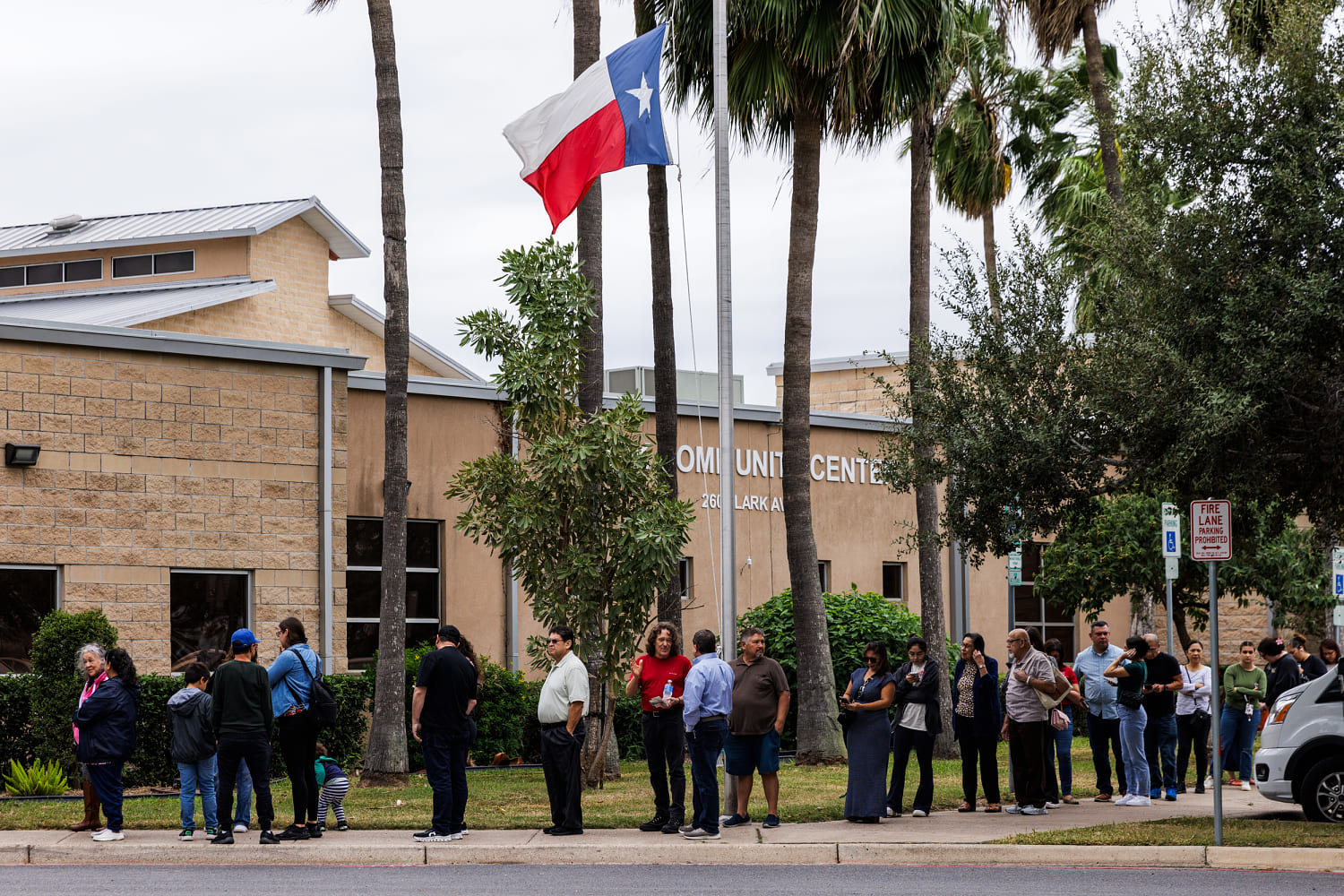
Every time election season rolls around, political pundits descend upon the Rio Grande Valley like carpetbaggers looking for a localized miracle. The mainstream press runs the exact same tired script: big advocacy coalitions drop six figures, open up shiny field offices, and declare that this cycle is the historic moment Latino voters in South Texas finally wake up and choose a side.
Then the ballots are counted, the numbers flip wildly, and the media treats the outcome like a baffling meteorological phenomenon rather than the predictable result of treating a complex, multi-generational population like a monolith.
Stop buying the lazy consensus. The conventional wisdom claims that South Texas is a permanent political battlefield waiting to be unlocked by the right combination of bilingual flyers and national dark money. That framing is fundamentally broken. The truth is much more cynical, transactional, and resistant to DC-style marketing than consultants care to admit.
The Myth of the Monolithic Swing Block
Let us define terms clearly. Political strategists love to talk about "the Latino vote" as if a third-generation Tejano rancher in Webb County shares a unified braincell with a recent arrival working in a Cameron County processing plant. They do not.
I have watched national organizations blow millions of dollars on generic voter registration blitzes that assume every Spanish-surnamed resident is waiting for an ideological savior. When a border county swings hard toward Republicans one cycle and snaps back toward Democrats the next, Washington consultants act shocked. They call it a "seismic shift" or a "reversal".
It is not a shift in ideology. It is a referendum on competence and immediate economic survival.
South Texas voters are pragmatic economic actors. They live on the front lines of inflation, small business regulation, and border security enforcement. When national parties treat them like a permanent demographic prop to be courted every four years with condescending ad buys, voters respond by hedging their bets or punishing whoever happens to be holding the levers of power when grocery bills spike.
The Trap of Seasonal Activism
Imagine a scenario where a corporate retail chain only opens its doors for two weeks out of the year, yells at customers to buy everything immediately, and then locks up until the next fiscal quarter. You would call that management incompetent. Yet, that is precisely the playbook of major voter turnout operations in the Valley.
Groups parachute in six weeks before an election, hand out clipboards, and wonder why local skepticism is sky-high. True political influence cannot be drop-shipped from Washington, D.C. or Austin via a super PAC.
Local civic infrastructure requires year-round accountability. Communities in Hidalgo, Cameron, and Zapata counties do not care about national talking points concerning abstract democratic norms when their local municipal infrastructure, job markets, and healthcare access are screaming for attention.
When organizations like the Hispanic Federation or Voto Latino announce massive cash injections into South Texas, celebrate the press release. The real grassroots work—the kind done by deep-rooted local entities that have spent decades organizing kitchen tables—gets drowned out by high-gloss media campaigns that treat voters as metrics in a quarterly donor report.
Dismantling the Border Security Hypocrisy
Let us address the elephant in the room: border policy. The lazy media narrative paints South Texas border communities as terrified victims of federal or state enforcement, or conversely, as law-and-order enthusiasts cheering for absolute militarization.
Both extremes are false.
The reality on the ground is far more nuanced. Families in border counties often have relatives on both sides of the Rio Grande. They rely on cross-border trade, legal transit, and local economic integration. At the same time, they deal directly with the strain of heavy enforcement footprints.
When politicians treat the border exclusively as a national security talking point for suburban voters in Ohio or Pennsylvania, they alienate the people who actually live there. South Texas voters understand that border security and economic opportunity are not mutually exclusive concepts; they are two sides of the same coin. When a party pushes policies that choke local commerce under the guise of security, voters push back—regardless of party label.
What Actually Works
If you want to understand why voter turnout spikes or plummets in South Texas, throw away the national polls. Look instead at local economic anxiety and candidate authenticity.
Voters in the Valley can smell focus-group-tested language from three counties away. The candidates who win here are the ones who speak directly to local cost-of-living realities, local jobs, and basic municipal dignity, rather than national culture wars that do nothing to fix a pothole or lower the price of gas.
Stop treating South Texas as a laboratory for national demographic destiny. Stop assuming that a sudden surge in turnout means the region has been permanently "won" or "lost" by either political party.
The electorate down on the border is smarter, more independent, and far more cynical than the consultants trying to monetize them. Until national operatives realize that respect is earned through consistent, year-round engagement rather than last-minute panic spending, they will continue to be surprised by election night results.
The voters aren't unpredictable. Your models are just lazy.
South Texas voter groups push Latino turnout ahead of election
This video provides a look at local mobilization efforts and grassroots perspectives across South Texas communities leading up to the election.