If you think the recent drop in gas prices is just a fluke, look at the global energy markets. Crude oil benchmarks are taking a massive hit. In late May 2026, Brent crude futures plunged below $99 a barrel, while West Texas Intermediate slipped past $92. That's a sharp 5% drop in a single trading session, hitting the lowest levels we've seen in weeks.
The driver behind this sudden sell-off isn't a sudden surge in production or a drop in global demand. It's pure geopolitical speculation. Traders are betting big on the rough outlines of a diplomatic deal between Washington and Tehran that could end a brutal 11-week conflict and reopen the choked Strait of Hormuz.
But if you are ready to celebrate cheap fuel, don't hold your breath. Wall Street and oil insiders are deeply divided on whether this peace optimism is actually justified or just a temporary market mirage.
The Real Story Behind the US Iran Deal
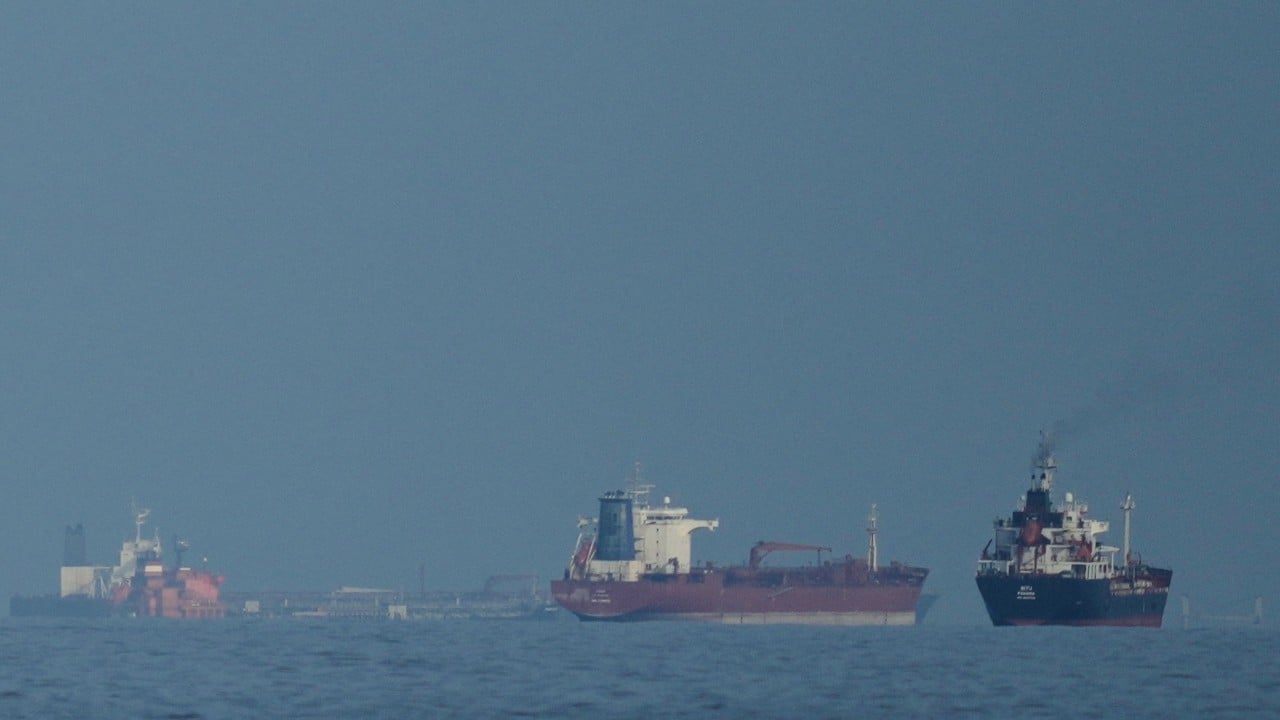
For nearly three months, the global energy market has been operating under extreme duress. Following joint military strikes by US and Israeli forces in late February, Iran heavily restricted traffic through the Strait of Hormuz. Because roughly 20% of the world’s petroleum passes through this narrow channel, the closure sent Brent crude soaring past $110 and forced American consumers to shoulder billions in extra fuel costs.
The sudden market turnaround happened because the White House is pushing hard for an exit strategy. Reports indicate that US negotiators, using Pakistan as a mediator, have put forward a one-page memorandum of understanding. This framework sets up a 60-day negotiation period to hash out a permanent peace agreement.
Here is what is currently on the table to get the oil flowing again:
- The Shipping Pause: President Donald Trump temporarily halted "Project Freedom," the aggressive US military campaign intended to escort commercial ships through the high-risk waters of the Gulf.
- Sanctions Relief: The tentative terms allow Iran to resume selling its oil on international markets via temporary waivers.
- Asset Release: Billions of dollars in frozen Iranian funds would be unlocked as a goodwill gesture while details are finalized.
President Trump has actively fueled market optimism by posting that negotiations are proceeding in an orderly and constructive manner. However, he also hedged his bets by telling his team not to rush, claiming the US naval blockade on Iranian ports stays firmly in place until ink hits paper.
Why Reopening Hormuz Won't Fix Supply Chokeholds Overnight
The market is reacting as if a signed peace deal means an immediate flood of cheap oil. That is a dangerous assumption.
Even if both sides sign the memorandum tomorrow, the logistics of restarting a disabled global energy corridor are messy. You can't just flip a switch to fix an international shipping crisis. Analysts at firms like MST Marquee point out that it will take months for shipping lanes to normalize.
First, there is the physical infrastructure. Months of military posturing and alleged maritime skirmishes have left the region unstable. Insurance companies aren't going to lower their sky-high premiums for commercial tankers the day a ceasefire is announced. They will want to see weeks of sustained, incident-free operations before reclassifying the Gulf as a safe zone.
Second, the actual oil facilities have suffered. Satellite imagery recently caught massive oil slicks near Iran's Kharg Island, its primary export terminal. Repairing damaged regional infrastructure, clearing naval mines, and coordinating safe shipping protocols will take significant time. The idea that millions of barrels of crude will seamlessly enter the market by next week is a complete fantasy.
The Underlying Friction the Market is Ignoring
The biggest mistake retail investors are making right now is assuming the core dispute is settled. It isn't. The current draft deal purposefully pushes the most contentious issue down the road: Iran's nuclear program.
The current strategy is basically a stall tactic to lower global energy prices before political pressures mount ahead of the US midterm elections. The plan isolates the shipping crisis from the nuclear debate. But that split is highly fragile.
Iranian President Masoud Pezeshkian and Foreign Minister Abbas Araghchi have repeatedly blasted Washington's continued economic pressure. While Tehran says it's serious about diplomacy, its state media has openly contradicted the White House's optimistic tone. Iran insists it won't give up its enriched uranium stockpiles, which remains a non-negotiable point for Washington.
Major financial institutions see through the immediate hype. Commodity strategists at Citi recently warned that the market is severely underpricing the risk of a prolonged conflict, maintaining that Brent could still rocket toward $120 if negotiations stall. Wood Mackenzie went even further, estimating that if the political framework collapses and the strait remains blocked through late 2026, crude could approach $200.
How to Handle Your Portfolio in This Market
If you are trying to navigate this volatility, stop trading on daily political headlines. The market is caught in a classic "buy the rumor, sell the fact" cycle. Every tweet from Washington or statement from Tehran causes wild $5 swings that can wipe out over-leveraged positions instantly.
Instead of guessing the exact day a peace treaty gets signed, watch the actual volume of shipping traffic through the Gulf. Keep a close eye on the official weekly inventory reports from the US Energy Information Administration (EIA). Global crude stockpiles are already sitting at low levels due to the 11-week blockade. If the peace talks drag on without a concrete timeline for reopening the shipping lanes, those low inventories will quickly catch up with the market, sending prices right back up.
Position your investments for prolonged volatility. Look at energy equities that possess strong domestic production capabilities insulated from Middle Eastern geopolitical risk. Expect the broader stock market to ride a wave of relief on any positive peace headlines, but keep your stop-losses tight. The fundamentals show that the global energy deficit is very real, and a single breakdown in diplomatic talks will send oil prices right back to record highs.