Another day, another viral headline about a transatlantic flight making a dramatic U-turn over the Atlantic.
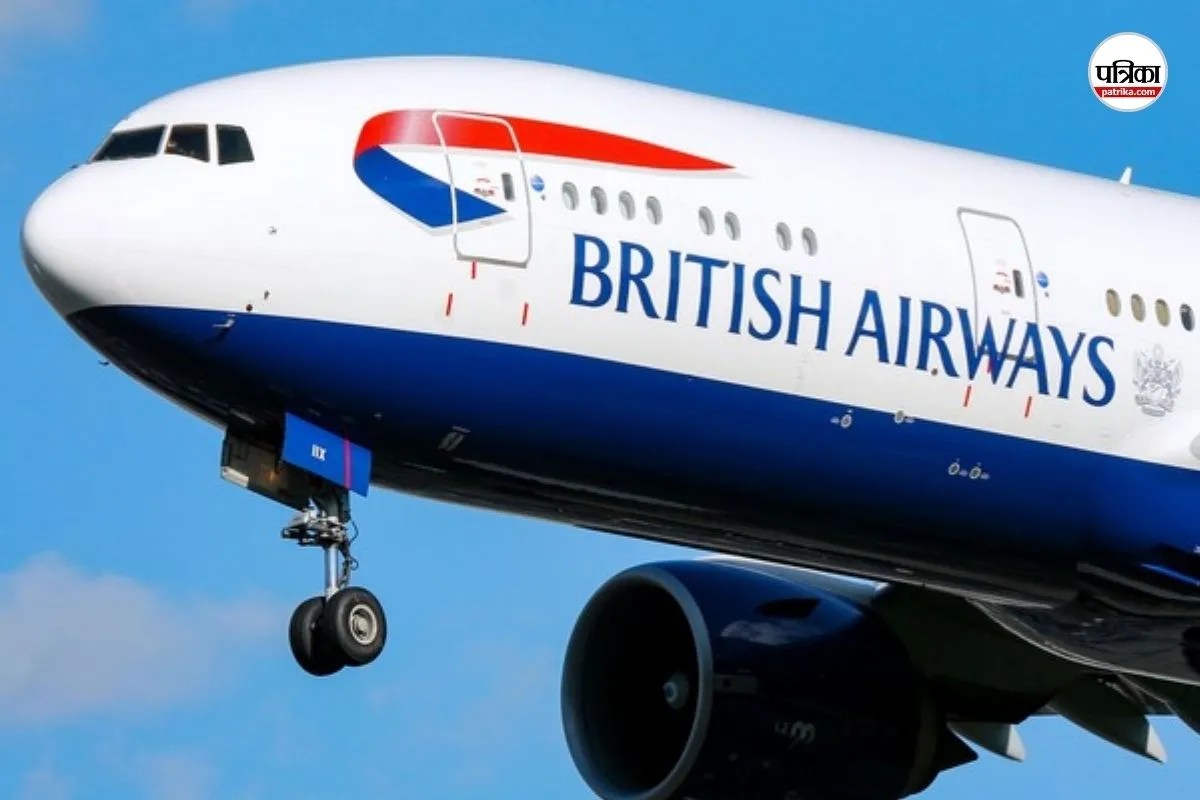
British Airways sets off for Chicago, encounters a minor cabin pressure or technical glitch, initiates a rapid emergency descent over Ireland, and heads right back to Heathrow. Twitter loses its collective mind. Passengers tweet blurry photos of oxygen masks hanging like sad party streamers. Pundits on cable news start muttering about mechanical aging and airline cost-cutting.
Stop buying the hysteria.
What the mainstream travel media frames as a brush with catastrophe is actually the most boringly reliable manifestation of hyper-conservative engineering in human history. I have spent two decades analyzing aviation logistics, safety data, and flight crew protocols. I have watched commentators hyperventilate over incidents that were textbook executions of operational safety.
The lazy consensus is that an emergency descent means the plane was moments away from falling out of the sky. The reality is far more mundane, and far more insulting to your dramatic instincts: the plane did exactly what it was engineered to do the second a sensor blinked.
The Myth of the Midair Crisis
Let us dismantle the core panic. When a wide-body jet like a Boeing 777 or Airbus A350 turns back over Ireland or the western approaches of the UK, the passengers feel like they are abandoning a sinking ship. The cabin drops. Ears pop. The descent rate feels violent compared to the gentle glide of a standard approach.
Here is what is actually happening behind the cockpit door. Modern commercial aviation operates on a doctrine of radical redundancy. If a bleed air valve acts up, if a cabin pressure controller fluctuates outside of a hyper-narrow statistical comfort zone, or if a minor avionics bus throws a code, the flight management computer does not ask the pilot to ponder the philosophical meaning of the glitch. It demands immediate remediation.
Pilots do not panic. They run a checklist that was written in blood half a century ago. They drop the nose because breathing at 38,000 feet without a functioning pressurization system causes hypoxia before you can finish reading your email. That rapid descent is not a sign that the aircraft is failing; it is a sign that the crew is following standard operating procedure to put the cabin below 10,000 feet where atmospheric oxygen makes panic unnecessary.
The decision to return to Heathrow rather than pressing on to Chicago or diverting to Shannon or Reykjavik is equally calculated. It is a financial and logistical decision disguised as a medical drama. Heathrow is a massive British Airways hub. It has spare aircraft, redundant maintenance crews, hundreds of standby pilots, and customer service infrastructure built to rebook three hundred stranded travelers in minutes. Landing in a regional Irish airfield might sound rugged and adventurous, but it strands a multimillion-dollar wide-body aircraft in a facility that lacks heavy maintenance tooling.
Airlines do not turn back because they are afraid of crashing. They turn back because logistics dictate that fixing a broken hydraulic seal or an errant cabin pressure sensor is infinitely easier at home base than in a provincial spoke airport.
The Cost of Zero Tolerance
The public expects commercial aviation to achieve absolute perfection, which is an engineering impossibility. We live in an era where a single delayed flight sparks lawsuits and congressional hearings, yet we freak out when an airline chooses the safest possible conservative option—turning around.
You cannot have it both ways. You cannot demand zero tolerance for risk while simultaneously treating every routine precautionary diversion as an existential crisis.
When a British Airways flight reverses course over the Irish Sea, the media treats it as news because aviation safety is so ruthlessly effective that actual disasters are statistical anomalies. Statistically, you are safer on that British Airways flight turning back than you are driving to the grocery store in your hometown. Every single safety system is designed with layers of backup. If a primary pressurization channel fails, the secondary takes over. If that fails, the crew drops the masks. If the masks drop, they head down. It is a cascade of safety nets, not a house of cards.
Yet, every time it happens, the passenger grievance industry spins up. Travelers demand compensation, compensation policies expand, and airlines face perverse incentives to push the envelope just to avoid the PR hit of a turnaround. That is the real danger. When we punish airlines in the court of public opinion for being too safe, we create cultural pressure to normalize pushing through minor faults. We want airlines to be trigger-happy with turnarounds. We want pilots who turn around the moment something looks weird.
Stop Asking the Wrong Questions
People ask: "Why are these planes breaking down so often?"
That is the wrong question entirely. The planes are not breaking down more often. The reporting is just more pervasive, and public literacy regarding mechanical systems is practically zero.
Airplanes are complex, high-stress machines operating in hostile environments at forty thousand feet. Parts wear out. Sensors drift. Valves stick. The marvel is not that a sensor occasionally fails and triggers a turnaround over Ireland; the marvel is that millions of tons of metal and composite materials lift off and land every single day with near-absolute statistical immunity to gravity.
If you are on a flight that makes a U-turn over the Atlantic, do not panic. Do not tweet your farewells. Pour a cup of coffee, thank the flight crew for having an abundance of caution, and accept that you are participating in the most obsessively regulated risk-mitigation system ever devised by mankind.
The next time a headline screams about an emergency descent, remember what is actually happening. It is not a near-death experience. It is a multi-billion-dollar machine reminding you that human life is valued so highly that even a minor sensor hiccup is enough to cancel a trip to Chicago.
Get over your addiction to drama. The plane is fine. You are fine. And the engineers who designed that turnaround protocol saved you from a non-existent threat while you were busy drafting your panic post.