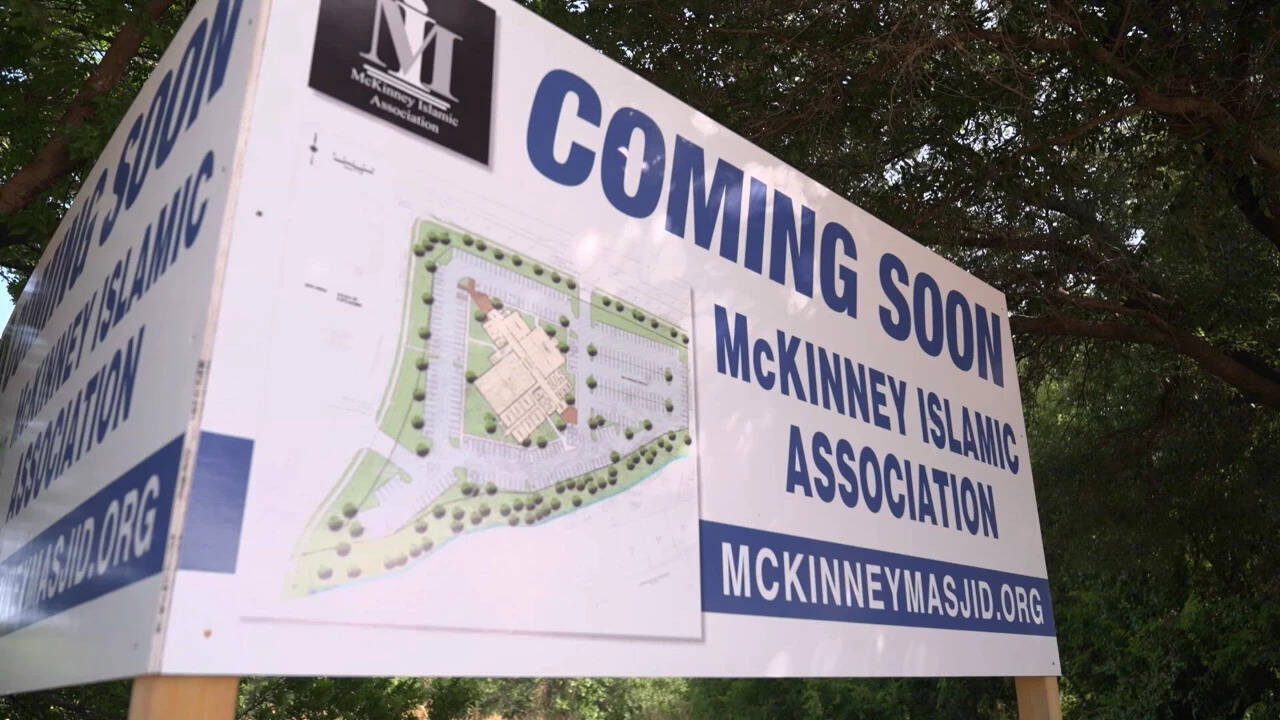
Five hours of public theater over a municipal land-use permit tells you everything you need to know about why local government is broken. When a Texas city council spends a marathon session listening to citizens scream about cultural replacement because someone wants to pour concrete for a house of worship, everyone is looking at the wrong indicator. The screaming mob thinks they are defending heritage. The pro-development camp thinks they are defending religious freedom. Both sides are playing checkers while the board is on fire.
The real story of that McKinney zoning fight has nothing to do with faith or demographic panic. It has to do with how municipalities weaponize the bureaucratic machinery of property rights to wage proxy wars over identity.
Let us strip away the emotional varnish and look at how zoning boards actually operate. I have spent enough time in municipal chambers watching developers spend six figures on traffic impact studies and environmental assessments just to get permission to build a parking lot to know that the process is entirely corrupt by design. The public hearing is not a civic forum. It is a pressure valve.
The Zoning Farce Nobody Wants To Admit
Here is the lazy consensus: if people show up to a council meeting and yell about tradition, the system is working as a direct democracy.
Nonsense. The entire planning and zoning apparatus was invented in the early twentieth century to achieve two goals: separate industrial pollution from residential wealth, and protect property values by keeping undesirable elements out. Over the decades, it mutated into a discretionary veto machine. Every time a city council treats a conditional use permit as a referendum on a community's soul, they are abusing statutory authority.
When citizens argue that a mosque will destroy neighborhood character, they are using code language that bypasses constitutional hurdles. They cannot legally say they object to Islam, so they talk about traffic congestion, noise ordinances, and architectural continuity.
And the developers play right along. They hire traffic engineers to prove that a religious center accommodating hundreds of people will somehow generate fewer car trips than a vacant lot. Everyone lies to each other under oath while the city attorney sits quietly, knowing full well that denying the permit based on religious animus will trigger a federal civil rights lawsuit that the taxpayers will lose.
The Real Cost Of Exclusionary Bureaucracy
Let us look at the mechanics of what happened in McKinney through a purely structural lens.
When a municipality erects multi-year hurdles for institutional real estate development, it creates an artificial scarcity of land for community infrastructure. Churches, synagogues, temples, and mosques all suffer under the same crushing weight of discretionary reviews.
The economic fallout is brutal. Every month a project sits in limbo due to public hearings and legal challenges, holding costs mount. Millions of dollars in capital are tied up in legal fees, redesigns, and carrying costs. Who pays for that friction? The end users. Small congregations get priced out entirely, leaving only mega-institutions with deep pockets to survive the gauntlet.
By making the process painful, the city effectively establishes a wealth test for religious freedom. If your congregation cannot afford a high-priced zoning attorney and a PR firm, you do not get to build. That should outrage every constitutional purist, regardless of which side of the cultural aisle they sit on.
Why The Outrage Machine Wins
The media loves these five-hour showdowns because conflict drives engagement. Headlines scream about culture wars and impending demographic shifts because fear monetizes better than municipal finance reform.
The protestors outside the McKinney council chambers were fed a narrative that a single building footprint represents an existential threat to their way of life. That is an absurd inversion of reality. A suburban lot with a minaret is not a vector of foreign conquest. It is a real estate transaction backed by local property taxes.
Conversely, the counter-narrative that frames every single zoning objection as pure, unadulterated bigotry is equally lazy. Some people genuinely care about curb cuts, stormwater run-off, and headlights shining into their master bedrooms at midnight. Conflating every neighborhood complaint about parking with xenophobia makes constructive dialogue impossible. It allows municipal leaders to duck responsibility for broken planning processes by hiding behind the shield of civil rights advocacy.
How To Fix Local Planning
If we actually want to solve the rot at the heart of local governance, we need to dismantle discretionary zoning entirely.
Municipalities should move toward a system of by-right development. If a parcel is zoned for institutional use, and the builder meets objective, measurable standards regarding setbacks, height restrictions, and lot coverage, the permit should be stamped automatically by a clerk in ten minutes. No public hearings. No council votes. No five-hour emotional circuses where elected officials audition for their next primary challenger by pandering to the loudest voices in the room.
Property rights mean nothing if your ability to build a lawful structure depends on whether you can charm or out-shout a mob of nervous neighbors on a Tuesday night.
Until we take discretionary power away from local politicians and return to rule-based governance, every single one of these council meetings will end the same way: exhausted citizens feeling ignored, developers bleeding cash, and the rule of law taking a backseat to tribal warfare. Stop arguing about the cultural symbolism of concrete and steel. Start demanding a zoning code that treats all property owners as equal under the law.