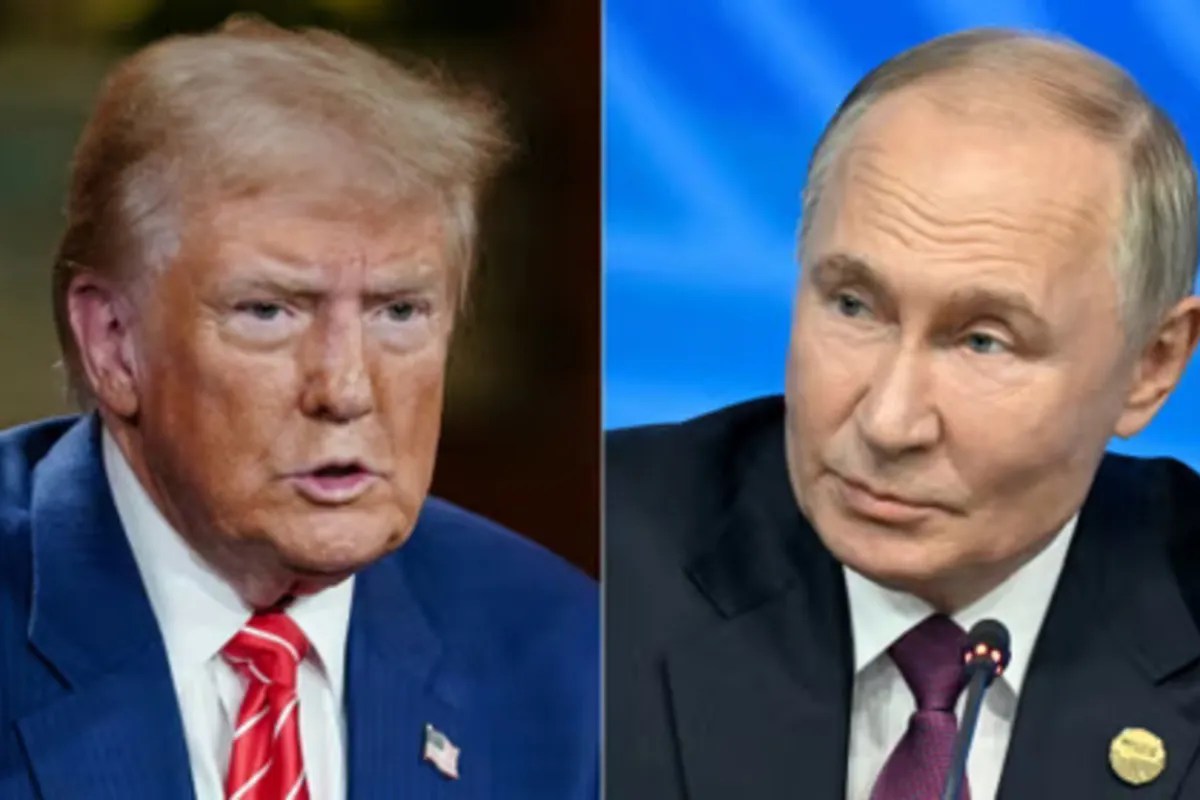
The lazy consensus in modern geopolitical commentary is a comforting fairy tale. The narrative goes like this: if Washington threatens Moscow with heavy tariffs or secondary penalties on energy buyers, the Kremlin panics, the Ukraine conflict grinds to a halt, and global trade realigns neatly around Western dictates. When the Kremlin issues a warning back—claiming that a hundred percent tariff on Russian oil will only make a settlement impossible—pundits nod sagely, treating it as a zero-sum game of diplomatic chicken.
They are wrong. Every single premise of this conventional framework ignores the actual mechanics of global commodities, energy arbitrage, and the weaponization of trade flows. Expanding on this theme, you can also read: Inside the India EU Steel Trade Trap.
The Flawed Logic of Secondary Penalties
Let us examine the core misconception. Analysts assume that threatening a heavy tariff on nations buying Russian crude acts as a definitive choke point. I have watched markets long enough to see identical threats implode under the weight of basic math. When you penalize direct buyers of a fungible commodity like oil, you do not destroy the trade. You merely reroute it through a shadow fleet of tankers, ship-to-ship transfers off the coast of Malaysia, and domestic refining hubs in non-aligned states that happily export clean products right back to the West at a markup.
The Kremlin knows this. When Moscow warns that extreme trade barriers will torpedo peace talks, they are not issuing a desperate plea. They are highlighting the structural trap Washington built for itself. Energy markets do not care about geopolitical optics; they care about barrel counts. If Russian barrels are squeezed from one door, they flow out another, widening the discounts for buyers in the Global South while tightening global supply margins everywhere else. Analysts at CNBC have provided expertise on this matter.
The Refining Paradox
Look at what actually happens when policy meets reality. The United States and its allies attempt to starve Russian state revenues while simultaneously trying to keep global fuel prices stable to avoid domestic inflation. You cannot do both. Crude oil is not a monolithic block. Heavy sour grades, diesel yields, and refined middle distillates have distinct regional dependencies.
When administrative pressure mounts, global refining margins shift. Buyers step in because the discount on Russian crude offers profit margins that defy diplomatic warnings. India and China did not build massive processing capacities to let them sit idle for the sake of Western foreign policy goals. They process the crude, blend the molecules, and sell the output globally. The idea that a tariff threat alters this multi-billion-dollar gravitational pull is pure administrative wishful thinking.
Unconventional Realities
If you want to understand how energy geopolitics actually works, stop looking at press releases from foreign ministries and start tracking tanker drafts and insurance registries.
- Fungibility defeats isolation: Crude oil mixes in pipelines and storage tanks. Once refined into diesel or jet fuel, its national origin vanishes.
- The waiver cycle: Administrative threats are routinely followed by strategic waivers because domestic inflation takes political precedence over distant enforcement.
- The cost of enforcement: Secondary tariffs require policing global supply chains that span dozens of jurisdictions with zero incentive to cooperate.
The Kremlin's warnings about peace talks stalling are a smokescreen for a deeper truth: peace in Eastern Europe will be decided by military exhaustion and territorial control on the ground, not by tariff rates cooked up in legislative packages. Using trade policy as a blunt instrument against physical commodities only creates market distortions, punishes domestic consumers through higher pump prices, and leaves the underlying geopolitical conflict entirely untouched.
Stop treating trade barriers as magic wands. They are leaky sieves, and the sooner policymakers realize that energy flows follow profit rather than proclamations, the sooner we can stop pretending that a hundred percent tariff threat changes the math of a war.
Trump Russia Sanctions: 100% Tariff Order Targets Russian Oil
This video provides additional context on how the 100% tariff threats and related sanctions legislation against Russian energy buyers are structured and discussed in international media.