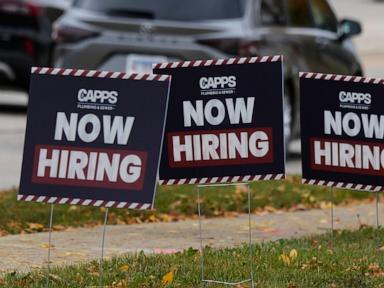
You've probably seen the headlines screaming that US job postings jumped sharply in September. Cue the celebration, right? Everyone from Wall Street analysts to LinkedIn influencers immediately starts predicting a massive hiring boom just around the corner.
Hold on. For another perspective, see: this related article.
If you've ever actually managed a recruitment budget or sat on a corporate hiring committee, you know that a spike in job postings doesn't automatically equal a surge in actual paychecks. Not even close. While data from the Bureau of Labor Statistics (BLS) Job Openings and Labor Turnover Survey (JOLTS) frequently shows sudden upward swings in late summer and early autumn, treating those numbers as a guaranteed ticket to an easy job hunt is a classic rookie mistake.
Let's look at what's really happening behind the curtain when companies suddenly flood job boards in September, why those numbers get misread every single year, and how you should actually play this market whether you're looking for work or trying to staff a team. Further reporting on this matter has been provided by Reuters Business.
Why September Job Openings Always Look So Dramatic
There's a predictable rhythm to corporate America that economists understand well, even if financial news anchors love to dramatize it. August is dead. Decision-makers are on vacation, budgets are frozen pending third-quarter reviews, and HR departments are running on skeleton crews.
Then Labor Day hits.
Suddenly, every VP realizes they only have four months left to spend their allocated department budget before December 31st wipes it out. In corporate finance, "use it or lose it" isn't just a cliché—it's survival. If a department head doesn't open those requisitions in September, finance will claw that money back for next year's baseline.
I've watched this play out dozens of times across mid-sized tech firms and Fortune 500 operations. A director posts five new roles in the second week of September just to lock in the headcount approval. Do they intend to hire all five people by October? Honestly, sometimes they aren't even sure what the third role is supposed to do yet.
This seasonal rubber-band effect makes September data look explosive compared to August's slump. When you look at historical JOLTS reports from the U.S. Department of Labor, late Q3 bumps are almost standard operating procedure rather than a radical shift in economic fundamentals.
The Massive Gap Between a Job Posting and a New Hire
Here is the uncomfortable truth nobody wants to admit during a positive news cycle. Posting a job is cheap. Hiring a human being is expensive.
When the BLS measures "job openings," they count any position that is open on the last business day of the month, where work could start within 30 days, and where the employer is actively recruiting from outside the firm. Notice what's missing from that definition? Any requirement that the company actually intends to pull the trigger quickly.
We're living in the era of the "evergreen requisition" and, frankly, ghost jobs. Companies keep postings live on Indeed, LinkedIn, and their own career portals for months to build talent pipelines, appease overworked existing staff by pretending help is on the way, or simply test the market to see what kind of talent is floating around at lower salary bands.
During periods of economic uncertainty—especially when interest rates are keeping borrowing costs elevated—companies get cold feet right at the finish line. They'll post the job in September. They'll conduct three rounds of interviews in October. And then, right before Thanksgiving, they'll put the role "on hold" until Q1.
If you're a job seeker reading news that US job postings jumped sharply, you might feel tempted to get aggressive with your negotiations or quit a stable gig before having a signed offer in hand. Don't. Until an offer letter with a start date lands in your inbox, a job posting is just corporate window shopping.
Which Sectors Are Actually Driving the September Surge
Not all job openings are created equal. When you peel back the headline numbers from reports like the BLS JOLTS survey or private-sector trackers like the Indeed Hiring Lab, the growth is rarely spread evenly across the economy.
Usually, a sharp autumn jump is heavily concentrated in a few specific buckets:
- Healthcare and Social Assistance: This sector has been the absolute bedrock of American job growth for years. Aging demographics mean hospitals, outpatient care centers, and elder care facilities are perpetually understaffed. When healthcare postings jump, those are almost always real, urgent needs—not ghost jobs.
- Retail, Warehousing, and Logistics: September is ground zero for holiday preparation. Major retailers and supply chain giants start aggressively posting seasonal roles in early autumn to ensure their distribution centers are staffed before Black Friday hits. These jobs inflate the headline numbers massively, even though half of them will vanish by mid-January.
- Hospitality and Leisure: Hotels, restaurants, and event venues see a distinct autumn shift as business travel ramps back up after the summer vacation lull and winter resort towns begin staffing up for ski season.
- Government and Education: Local school districts, state universities, and municipal agencies frequently post administrative and support roles right as the academic year kicks into high gear and fall budgets clear.
Meanwhile, white-collar sectors like software engineering, corporate finance, and marketing often tell a very different story. While postings in these areas might tick up slightly in September compared to a sluggish summer, they remain far more sensitive to corporate profit margins and Federal Reserve interest rate policies.
If you work in B2B SaaS marketing, a headline about surging national job postings driven by hospital nurses and warehouse packers doesn't suddenly mean tech recruiters are going to start throwing signing bonuses at you again. You have to read the sector breakdown, not just the front-page summary.
The Quits Rate Tells the Real Story
If you want to know whether the job market is actually heating up, stop staring at job postings and look at the quits rate.
Economists at the Federal Reserve and research groups like the Economic Policy Institute pay way more attention to voluntary quits than they do to raw job openings. Why? Because workers aren't stupid. People don't quit their current jobs unless they are genuinely confident they can walk across the street and get a better offer.
When job postings jump and the quits rate climbs alongside them, that's a true boom. Workers have the upper hand, wages rise quickly, and companies have to fight for talent.
When job postings jump while the quits rate stays flat or drops, something else is going on. That mismatch tells you that while companies are throwing listings onto job boards, actual employees aren't seeing enough real, high-paying opportunities to risk leaving their current desks. It signals a cautious, hesitant market—not a roaring one.
Why Wall Street and the Federal Reserve View This Differently Than You Do
There's a weird disconnect in how economic news gets reported. When job postings surge, regular people think, "Great, the economy is healthy and it'll be easier to get a raise."
Wall Street traders and Federal Reserve policymakers often view the exact same data with narrow-eyed suspicion.
From the Fed's perspective, a sudden spike in labor demand—measured by the ratio of open jobs to unemployed workers—can raise fears that wage inflation might heat back up. If companies have to bid up salaries to fill all those September openings, they'll eventually pass those higher labor costs onto consumers in the form of higher prices.
So, ironically, a massive jump in job postings can sometimes cause investors to worry that the central bank will keep interest rates higher for longer, or delay rate cuts. Higher interest rates make it more expensive for businesses to borrow money to expand, which eventually slows down actual hiring six to nine months later.
It's a bizarre economic feedback loop. Good news on paper in September can trigger financial tightening that makes hiring harder by the following spring.
How to Actually Use This Data If You're Job Hunting
So, companies are posting more jobs this autumn, even if some of those listings are seasonal or exploratory. How do you separate the real opportunities from the time-wasters?
You need to change how you apply. Mass-applying to 100 fresh September postings with a generic resume is a guaranteed way to burn yourself out and hear crickets.
Target Fresh Requisitions Within 48 Hours
Because September brings a wave of newly approved Q4 budgets, timing is everything. Set up strict alerts on LinkedIn and Indeed filtered specifically for jobs posted in the last 24 to 48 hours. When a legitimate hiring manager finally gets budget approval after waiting all summer, they want candidates in the pipeline immediately. Getting your application in during that first two-day window puts you at the top of the recruiter's screen before they get buried under 800 resumes.
Look for Signs of Real Urgency
Before spending two hours tailoring a cover letter, play detective on the listing. Does the job description outline specific projects slated for Q4 or Q1? Does it name a specific team or reporting line? Vague, boilerplate descriptions that read like a copy-pasted Wikipedia entry are classic signs of an evergreen pipeline posting. Real jobs describe real problems that need fixing right now.
Bypass the Portal Entirely
When job postings surge, applicant tracking systems (ATS) get completely overwhelmed. Recruiters start leaning heavily on referrals just to cut through the noise. If you see a newly posted role at a company you like, find the likely hiring manager—usually a Director or VP in that specific department—and send a short, direct note on LinkedIn. Mention one specific result you've achieved that solves the exact problem listed in their job description. Keep it under four sentences.
Ask the Budget Question Early
When you do land a screening call with a recruiter, don't be afraid to ask a polite, direct question about the timeline: "Is this a newly approved role for Q4, and what does your ideal start date look like?" If the recruiter hems and haws, talks vaguely about "building a bench for next year," or says they aren't sure when final interviews will happen, keep interviewing elsewhere. Put your energy into companies that have an approved budget and a clear start date.
What Hiring Managers Need to Do Right Now
If you're on the other side of the table trying to hire people while everyone else is flooding the job boards, you've got a different problem. Your listing is suddenly competing against thousands of brand-new postings that all went live the exact same week.
First, put the real salary range in the listing. Even in states where pay transparency isn't legally required yet, top candidates are tired of playing guessing games. When postings jump, experienced workers get picky about where they spend their interview time. If you hide the pay, the best people will skip right past your post and apply to your competitor who listed the numbers upfront.
Second, cut your interview loop in half. If your hiring process takes six weeks and five separate rounds of interviews, you are going to lose every good candidate you find. The companies that actually win talent during an autumn hiring push are the ones that can move from a first phone screen to a written offer in ten business days.
Stop treating a spike in job postings like a victory lap. Whether you're looking for your next paycheck or trying to build a team, ignore the national headlines, check the actual numbers in your specific industry, and focus entirely on roles with real budgets and immediate start dates.