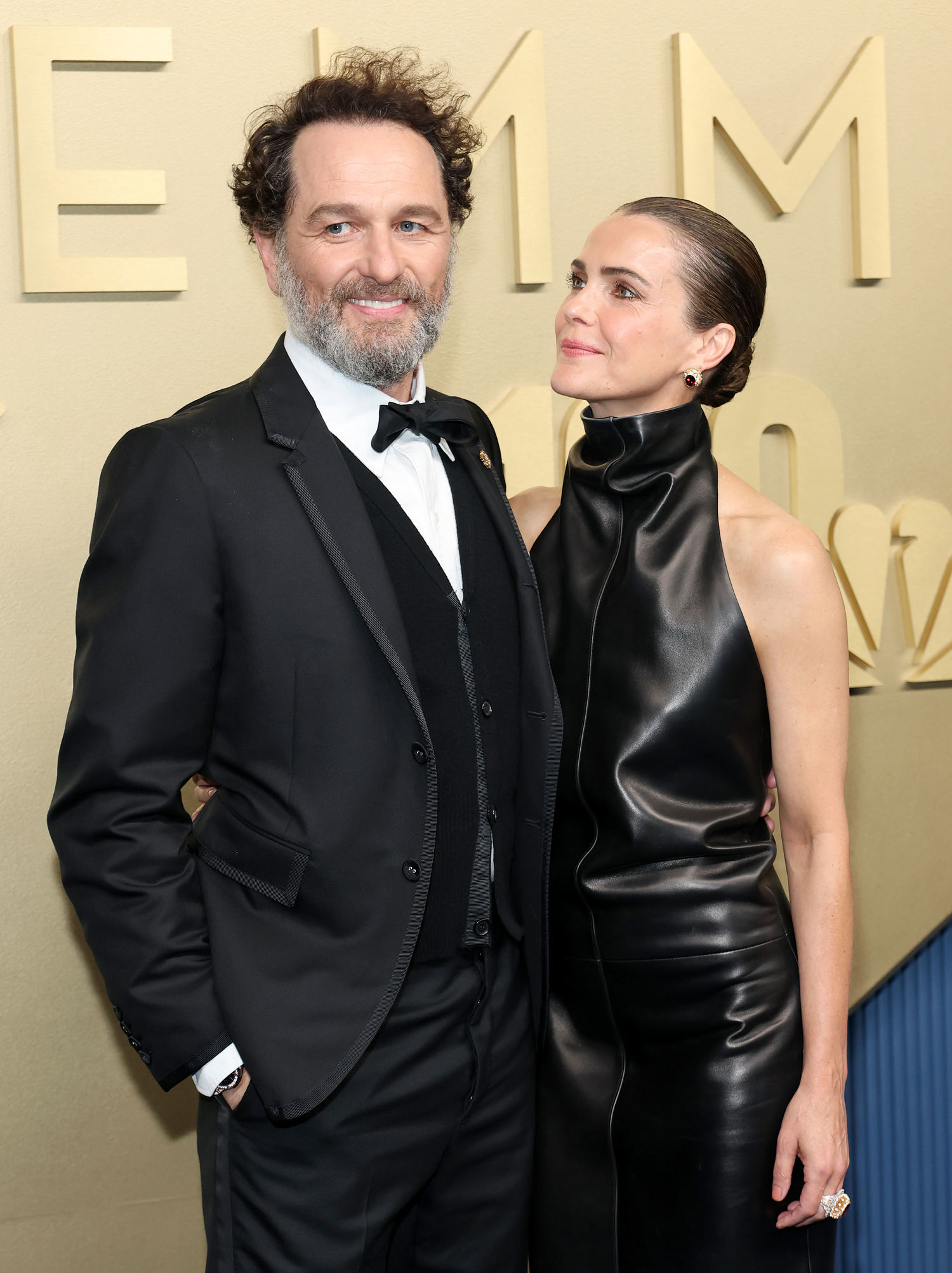
Predicting television awards season usually feels like reading a script written ten years ago. Old favorites repeat. Safe bets win. Networks stroke their own egos. But the 78th Primetime Emmy Awards completely threw out that tired playbook. Hollywood woke up to a reality where streaming dominance shattered old institutional boundaries and audiences rewarded raw, unpredictable storytelling over glossy safety.
If you looked at early predictions, you missed the tectonic shifts happening beneath the surface. Let us break down what actually went down, why the voters finally got some things right, and what these wins mean for the future of the medium. Don't forget to check out our previous coverage on this related article.
Widow's Bay and the Apple TV Comedy Takeover
Comedy is supposed to be funny. Lately, it has also been deeply depressing, full of existential dread disguised as half-hour programs. Then came Widow's Bay.
Apple TV carved out a massive win by backing a series that didn't care about dark, muted tones or quiet melancholy. It brought pure, unadulterated comedic velocity back to the screen. Walking away with a staggering 14 wins, the show steamrolled categories that pundits assumed belonged to legacy heavyweights like Hacks or The Bear. If you want more about the background here, GQ offers an in-depth breakdown.
Matthew Rhys pulled off a stunning career pivot by taking home Outstanding Lead Actor in a Comedy Series for his work as Tom Loftis. Watching a dramatic heavyweight step into a comedy ring and completely command the screen proved that casting directors need to break down genre walls permanently. Supporting players Kate O'Flynn and Stephen Root also cleaned up, turning every scene they touched into masterclasses in timing.
Jean Smart still secured her hardware for Hacks, because betting against Jean Smart remains a fool's errand. But the absolute dominance of Widow's Bay signaled a shift. Viewers are exhausted by comedies that require a therapy session afterward. They want sharp writing, fast jokes, and characters who feel like chaotic human beings rather than walking trauma dossiers.
The Drama Categories Belong to The Pitt and Pluribus
Drama lived in a different universe this year. Medical television made a gritty, triumphant return. Noah Wyle stepped into HBO Max's The Pitt and delivered a masterclass in controlled chaos. Winning Outstanding Lead Actor in a Drama Series wasn't just a nod to his performance; it was validation for a show that refused to shy away from the brutal, frantic pacing of modern emergency medicine. Wyle carried that production on his back, and voters noticed.
Meanwhile, justice finally arrived for Rhea Seehorn. For years, television fans watched her deliver legendary performances without taking home the primary trophy she deserved. When she won Outstanding Lead Actress in a Drama Series for Apple TV’s Pluribus, the collective sigh of relief from internet film communities could be heard coast to coast. Pluribus is weird, demanding, and utterly distinct. Vince Gilligan captured another writing win for the series, proving his creative ecosystem extends far beyond meth labs and desert highways.
Let us talk about the supporting categories, too. Allison Janney proved once again why she belongs in television royalty by grabbing the supporting actress statuette for Netflix's The Diplomat. Janney plays power with a casual menace that most actors spend decades trying to master. Over in the actor's circle, Tom Pelphrey seized the spotlight for HBO's Task, bringing a frayed vulnerability to a landscape crowded with stoic antiheroes.
Limited Series Chaos and Streaming Shifts
The limited series race is where safe predictions go to die. HBO Max threw a curveball with DTF St. Louis, which captured the top limited series crown in a tight race. Viewers loved the sharp, unpredictable plotting that defied traditional network formulas.
Over in the acting races, television legends showed the newcomers how it is done. Sally Field claimed the Emmy for Lead Actress in a Limited or Anthology Series or Movie for Netflix's adaptation of Remarkably Bright Creatures. Field brings an emotional gravity to her roles that anchors even the most fantastical premises in raw human truth.
Matthew Rhys managed an extraordinary feat by pulling off wins across different genres and formats, adding heavy praise for his work in Netflix's The Beast in Me. When an actor can dominate in both comedy and psychological suspense within the same calendar year, you are looking at generational talent operating at peak capacity.
Reality and Talk Show Stability
While prestige dramas grabbed the flashy headlines, reality television and late-night kept the lights on. The Traitors on Peacock continued its ruthless march across the reality landscape, taking home the prize for Outstanding Reality-Competition Program. Alan Cumming collected individual praise for hosting with a theatrical flair that turns a simple castle game into high art.
In late-night, The Late Show With Stephen Colbert secured its dominance. In an era where traditional broadcast formats struggle to maintain cultural relevance, Colbert and his team found a way to stay sharp, urgent, and funny five nights a week.
What the 2026 Results Actually Mean
Networks love to play it safe. They chase trends, greenlight reboots, and rely on recognizable intellectual property until the audience tunes out completely. But the 2026 Emmy results reward risk.
Shows like Pluribus and Widow's Bay succeeded because they trusted their creators to take big swings. They did not test-market every joke or sand down the rough edges to appeal to focus groups. They trusted the audience to keep up.
If studio executives look at this ceremony and learn the right lessons, the next few years of television might actually surprise us. Stop building safe boxes. Start backing creators who want to break them. That is how you win gold, and more importantly, that is how you stay relevant.