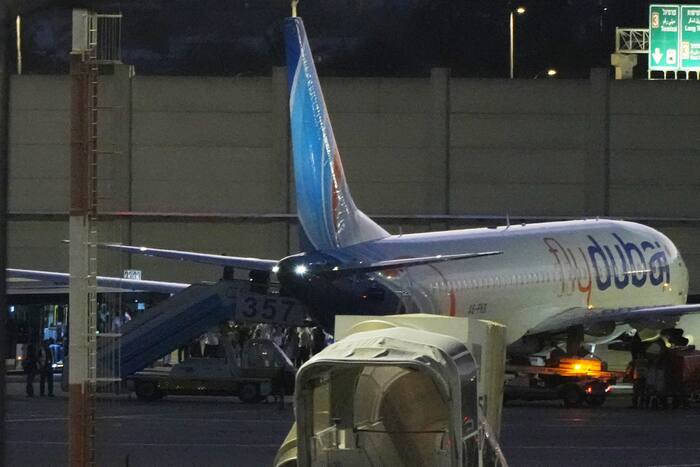
A commercial cockpit is supposed to be the most secure workplace on earth. Yet, on a FlyDubai flight heading toward Tel Aviv's Ben Gurion Airport, that illusion shattered in seconds. Co-pilot Hamam al-Hammami allegedly turned an emergency axe on the captain, triggering a violent mid-air struggle that exposed gaping holes in international aviation security.
Official investigations have laid out a terrifying sequence of events. But the real story isn't just what happened at 35,000 feet. It's how a pilot with a glaring trail of extremist red flags slipped past multiple airline background checks and ended up on the flight deck of an Israel-bound aircraft.
The Red Flags Everyone Ignored
Let's look at the suspect's background, because the warning signs weren't hidden. They were flashing bright red.
Investigators tracking al-Hammami's history found a clear trajectory of radicalization. His ideological shift reportedly began years earlier during his time as a student in Australia. Over the next several years, authorities noted alignment with extremist rhetoric.
When he flew for Oman Air, his extremist views didn't go completely unnoticed. Internal tracking flagged his behavior, and he was eventually restricted from active flight duties. That should have been the end of his commercial aviation career. It should have triggered an industry-wide blacklist.
Instead, he slipped through the cracks. He moved on to other carriers, including a stint tied to Royal Air Maroc, before FlyDubai hired him during a rapid recruitment push to plug pilot shortages. Vetting protocols failed to catch the Omani airline's prior restrictions. Basic data-sharing between regional carriers clearly broke down, allowing a compromised individual to sit at the controls of a Boeing 737 MAX.
Inside the Cockpit Chaos
The attack itself was sudden and brutal. According to probe details released by authorities, the co-pilot launched his assault using an emergency axe stored in the flight deck. The captain sustained severe head injuries, and the resulting physical struggle caused the aircraft to experience extreme altitude shifts and overspeed conditions.
The structural damage told the story of the violent physical clash. The plane's rapid, uncontrolled maneuvers subjected the airframe to extreme stress, leaving sections of the aircraft's tail and rudder severely damaged.
Yet, a total catastrophe was averted by pure instinct and remarkable fortune. Despite being badly wounded on the cockpit floor, the captain managed to hit the door release mechanism. At the same time, an off-duty flight crew traveling as passengers—along with alert cabin crew and brave travelers—intervened. They rushed the flight deck, subdued the attacker, and handed control over to the backup crew, who diverted and landed the plane safely in Saudi Arabia.
Why Aviation Security Is Scrambling Now
This incident forced aviation authorities across the Middle East and beyond to re-examine how pilots are vetted. You can't rely on self-reporting or fragmented airline databases anymore.
Transportation ministries and security agencies have rushed to implement tighter screenings, requiring airlines to submit detailed crew rosters well in advance. Regulators are pushing for centralized international databases that share disciplinary actions and security flags instantly across borders. If an airline in one nation grounds a pilot for extremist sympathies, every airline worldwide should know about it before that pilot touches a yoke again.
The system barely held together this time. Relying on an off-duty crew and heroic passengers to stop a compromised pilot isn't a security strategy. It's a gamble we can never afford to take twice.