Panic sells clicks. Every immigration blog and tech news site is currently hyperventilating over the Department of Homeland Security submitting a preliminary regulatory concept titled Eliminating the Discretionary 60-day Grace Period to the White House Office of Information and Regulatory Affairs. The mainstream narrative screams that Indian tech professionals are about to be thrown onto midnight flights out of JFK the second a pink slip hits.
Stop hyperventilating. Look closer at the mechanics.
The lazy consensus in the tech media assumes that administrative proposals equal instant federal law. They treat a bureaucratic ink-staining exercise as a midnight deportation decree. I have watched companies hemorrhage millions on compliance panic and lawyers exploit this exact brand of media-stoked terror to bill countless advisory hours. Let us tear down the lazy assumptions and look at why this entire freakout misreads Washington bureaucracy, corporate self-interest, and the cold reality of American labor markets.
The Myth of Instant Execution
The biggest misconception floating around tech circles is that the sixty-day buffer established back in 2017 is vanishing tomorrow. It is not. Federal rulemaking moves at the speed of a glacier. A proposal sitting with regulatory reviewers still needs to be formally published in the Federal Register, endure a mandatory public comment window, weather inevitable federal court challenges, and survive months of administrative revision.
Even if the administration eventually pushes this across the finish line, the legal architecture governing nonimmigrant status provides structural workarounds that corporate immigration lawyers use daily. The panic assumes a rigid binary: you lose your job, and you vanish. Real life does not operate with that kind of frictionless cruelty. Corporations that rely heavily on specialized foreign labor—from Silicon Valley giants to Wall Street banks—do not want a sudden structural shock that strands their core engineering talent overnight. Behind closed doors, corporate lobbyists are already rewriting compliance playbooks.
Why the Tech Lobby Secretly Loves the Drama
Imagine a scenario where an engineering team is terrified of losing legal status the moment a manager signs a termination letter. That dynamic shifts all leverage back to the employer. A terrified worker accepts lower raises, works unpaid overtime, and stays quiet during mass corporate restructurings.
The media framing treats this policy proposal as an attack solely driven by anti-immigrant animus, missing the corporate economic subtext. Employers benefit when employee mobility drops. The sixty-day grace period gave high-skilled workers a window to interview elsewhere, negotiate higher compensation with a competing firm, and port their H-1B petition smoothly. By threatening to eliminate that window, the policy inadvertently creates a system of indentured compliance.
Yet, here is where the administration's plan hits a wall of economic contradiction. Tech companies are already screaming about domestic talent shortages in specialized fields like artificial intelligence and cloud architecture. If you make it impossible for an engineer laid off by a mid-tier startup to pivot to a major enterprise without immediate exile, top global talent stops coming to America altogether. They go to Toronto, London, or Berlin. The American tech ecosystem depends on immigration fluidity. Smart capital knows this, which is why absolute elimination face massive resistance from corporate powerhouses.
The Real Danger Nobody is Discussing
The real threat isn't that you will be forced out of the country in zero days flat. The real danger is the weaponization of administrative uncertainty.
When rules become ambiguous, risk-averse corporate HR departments panic long before laws change. I have seen companies preemptively reject qualified candidates simply because their visa stamp or petition history looks slightly complex. The anxiety surrounding the proposal causes systemic self-censorship among employers who stop hiring foreign nationals altogether out of fear of future compliance audits.
To navigate this landscape without losing your mind or your career, throw away standard advice. Do not wait for a layoff to update your portfolio. If you are on an employment-based visa, treat your employment status like an ongoing emergency protocol.
- Build a shadow compliance fund worth at least six months of living expenses, entirely separate from standard savings.
- Cultivate direct relationships with boutique immigration counsel who specialize in aggressive change-of-status strategies, including B-2 tourist status bridges, which allow individuals to legally buy time while securing a new sponsor.
- Diversify your professional network outside your immediate employer. Your best defense against regulatory shifts is being so professionally indispensable that a new sponsor is willing to expedite your filing fee and premium processing within days of a layoff.
The system is broken, bureaucratic, and occasionally hostile. But it is also predictable in its sluggishness. Stop reacting to every draft memo as if the sky has fallen. Understand the machinery of the state, protect your liquidity, and stop letting headline writers dictate your career strategy.
The era of passive immigration compliance is dead. Adapt or get left behind.
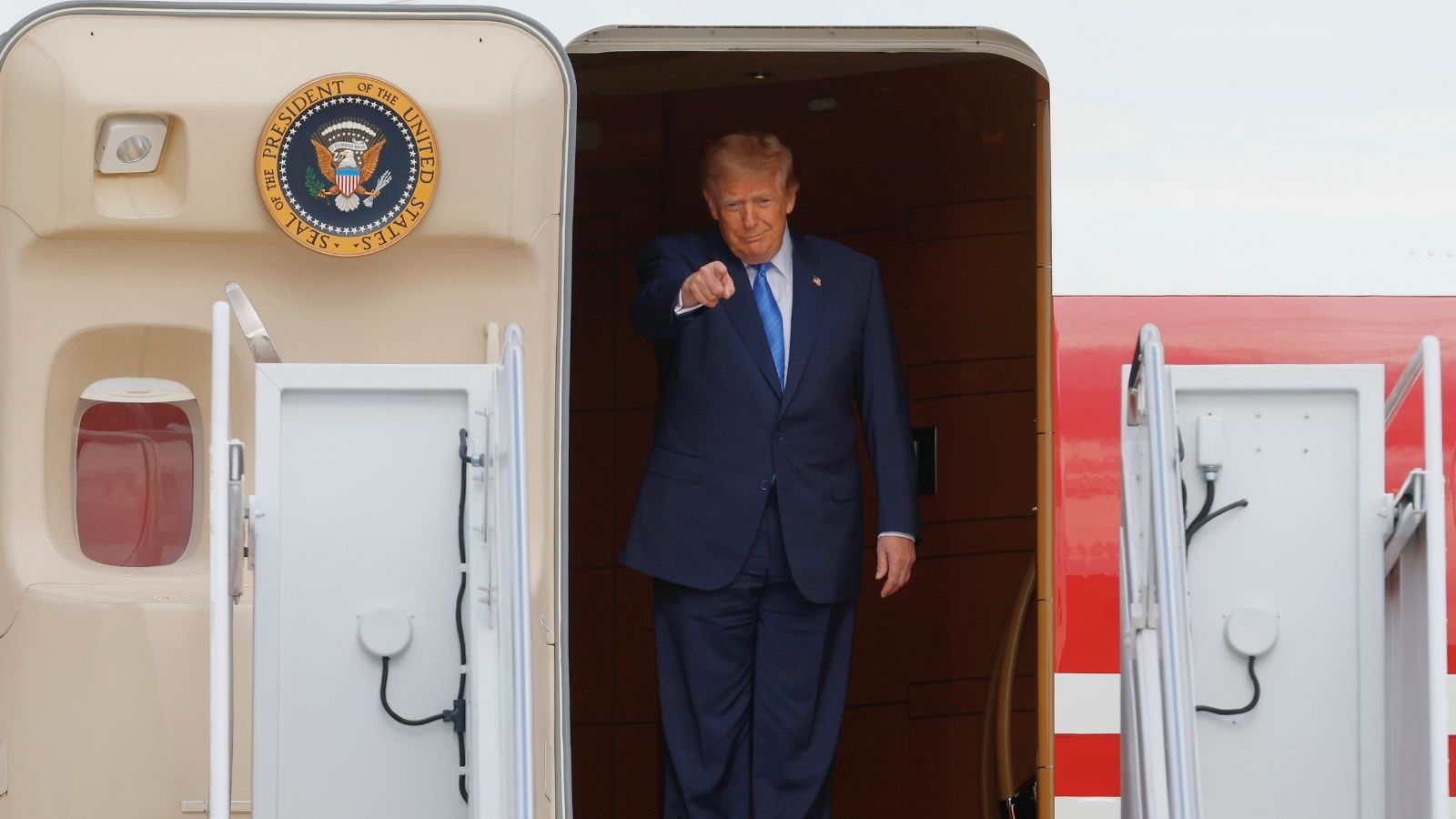
[Trump Targets H-1B Grace Period]
This breakdown explains how the proposed regulatory shift affects high-skilled visa holders and dismantles common misconceptions surrounding the timeline.