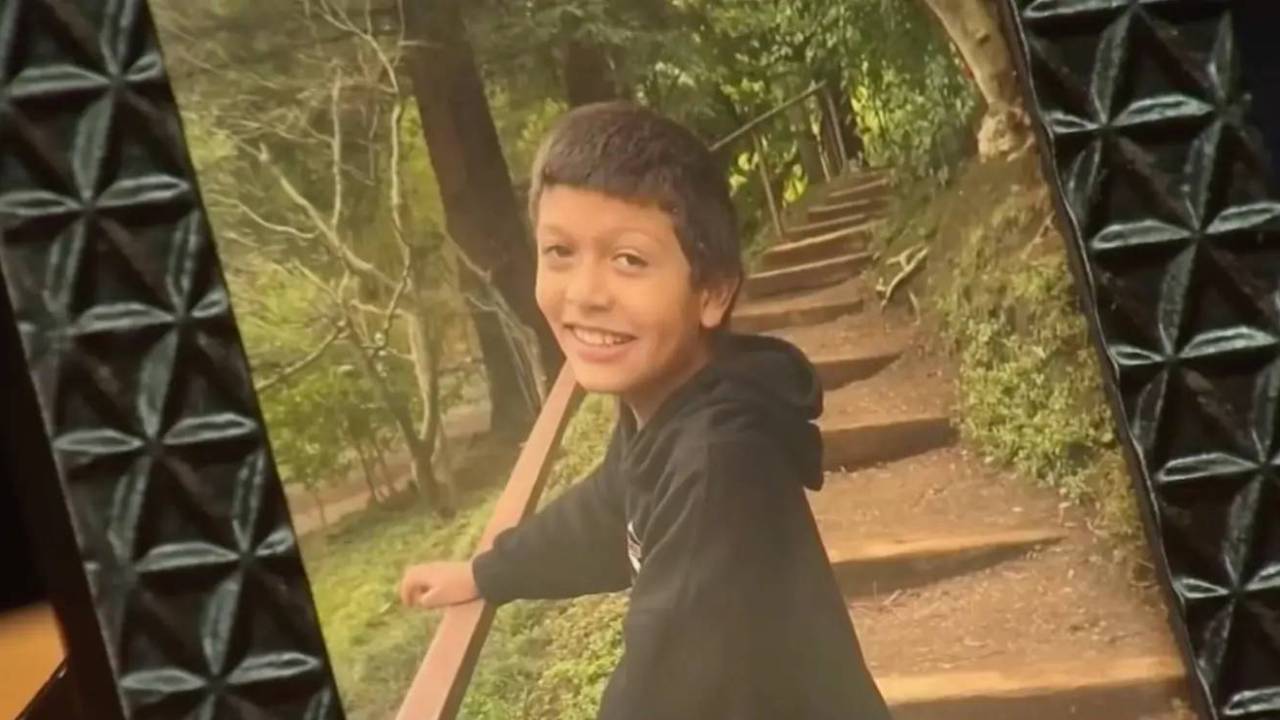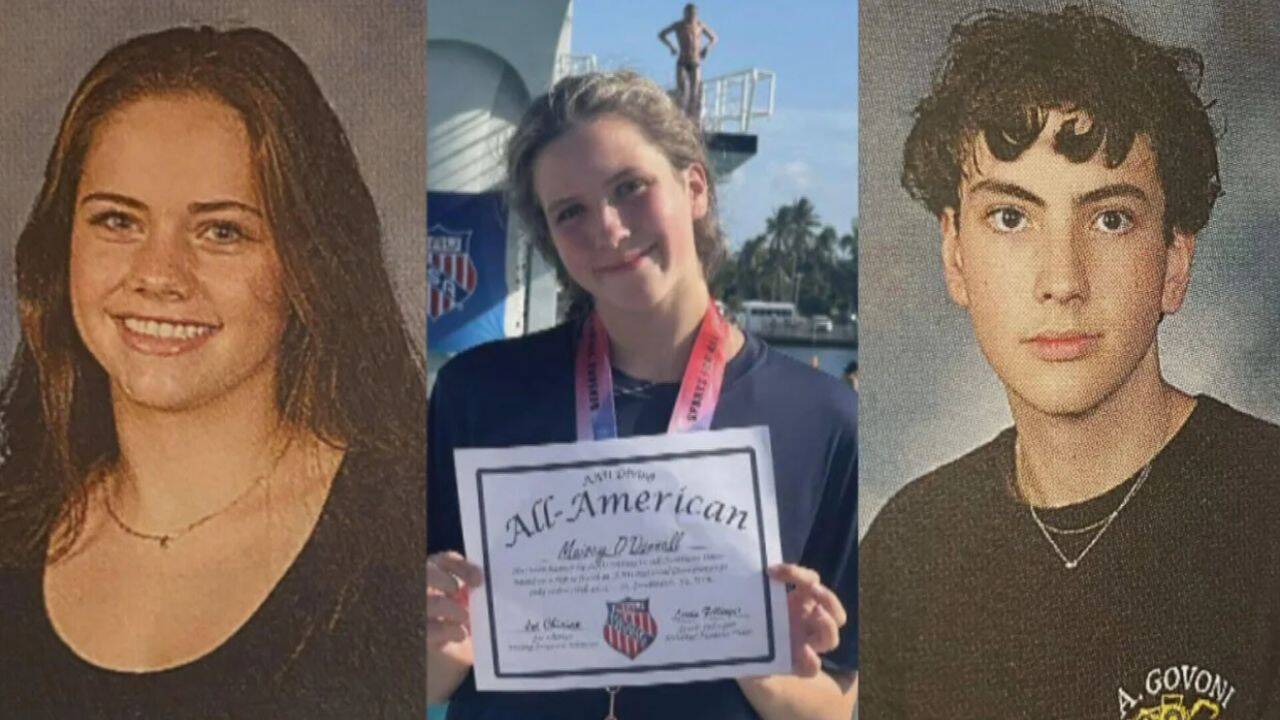
Someone dies in a sudden crash, and before the family even finishes planning the funeral, a stranger has already pocketed five thousand dollars in their name. It happens constantly. When a teenager died in a Florida crash, scammers wasted zero time setting up a fake GoFundMe page that pulled in $5,000 from grieving neighbors, classmates, and well-meaning strangers.
You want to help when a local kid dies. Everyone does. That exact impulse is what fraudsters count on when they scrape photos off Instagram and spin up a crowdfunding link within hours of a breaking news report.
Why Tragedy Crowdfunding Is Broken Right Now
Crowdfunding platforms built their entire business model on speed and zero friction. Anyone with an email address and a basic grasp of social media can launch a fundraiser in ten minutes. That low barrier to entry makes it easy for real families to cover unexpected burial costs, sure. It also makes it an open buffet for con artists.
Scammers monitor local news feeds, police scanners, and community Facebook groups around the clock. The moment a fatal accident hits the wire, they move. They steal the victim's name, grab a few public photos, and copy-paste the details of the crash from the local news station's website. Then they flood the comments section of every news article and memorial post with their fraudulent link.
People click and donate out of pure reflex. Nobody stops to audit a fundraiser when a family is mourning a teenager. By the time the real parents realize someone is profiting off their kid's death, thousands of dollars have already moved through the system.
How the Florida Crash Scam Played Out
Look at the mechanics behind a typical incident like the $5,000 Florida crash scam. Local news reports a fatal wreck involving a teen. Within hours, a campaign pops up claiming to raise money for funeral expenses and family support.
The organizer uses a generic name or pretends to be a distant relative or family friend. Because the link gets shared in local community groups where people actually knew the teenager, it gains instant social proof. When you see three neighbors donate fifty bucks each, you assume the page is legit. You don't double-check. You just pull out your debit card.
Usually, these fake pages get caught only when an actual family member sees the link circulating online and calls the local news station to warn people off. Even then, the damage is done. The emotional toll on parents who have to publicly beg people not to donate to a page bearing their dead child's face is brutal.
What GoFundMe Actually Does When Fraud Happens
Platform defenders love to point out that verified fraud makes up a tiny fraction of total campaigns. GoFundMe maintains a Giving Guarantee, promising to refund donors if a campaign turns out to be fraudulent. That sounds great on paper. In practice, it's a reactive bandage on a gaping wound.
Here is how their verification actually works behind the scenes. GoFundMe does not manually vet every single fundraiser before it goes live. They couldn't—millions of campaigns launch every year. Instead, they rely on automated risk-detection algorithms and user reports.
They hold payouts until the organizer provides banking details and identity verification. If the campaign raises red flags—or if the real family reports it—the platform freezes the funds before the scammer can withdraw the cash to a bank account.
Sounds foolproof, right? It isn't. Scammers use stolen identities, synthetic bank accounts, and money mules to bypass standard Know Your Customer (KYC) checks. And even when the platform catches the fraud and freezes the $5,000 before payout, the public trust is already shattered. Real families end up struggling to raise money on their legitimate pages because donors get spooked by the fake ones.
Five Red Flags That Scream Fake Fundraiser
If you donate to local tragedies, you have to treat every link like a potential phishing scam until proven otherwise. Stop trusting a familiar photo. Start looking at the metadata and the trail behind the page.
1. The Organizer Has Zero Connection to the Family
Scroll down and look at who actually created the page. GoFundMe displays the organizer's name and location right under the main story. If the teen lived in Tampa, Florida, and the organizer is listed in a different state with no explanation of how they know the family, walk away.
2. The Beneficiary Isn't Explicitly Named
When a friend sets up a legitimate fundraiser for a grieving family, GoFundMe lets them designate a specific beneficiary. That means the money goes straight to the parents' bank account, bypassing the organizer completely. If the page doesn't clearly show that the funds are routed directly to the victim's immediate family, ask why.
3. Copy-Pasted News Text
Read the campaign description closely. Real friends write messy, emotional, personal stories about the kid they lost. Scammers copy three paragraphs directly from the local newspaper's crash report and tack on a generic sentence about "helping the family during this difficult time."
4. Aggressive Link Dropping in Comments
Legitimate families rarely spend the afternoon spamming their GoFundMe link underneath every single tweet or Facebook post from local TV stations. If you see the same burner account dropping a donation link fifty times in the replies of a news outlet's post, report it immediately.
5. Brand New Social Profiles
Click through to the profile of the person sharing the link. If the account was created two days ago, has no friends, or features a stolen stock photo as an avatar, you are looking at a scammer's distribution network.
What to Do Before You Donate a Single Dollar
You don't need to become cynical and stop helping people in your community. You just need a ten-second verification habit before you enter your credit card numbers.
First, check the victim's actual social media pages or those of their immediate family members. Grieving families almost always share the one official fundraiser on their personal profiles so friends know where to send support. If the link isn't on the family's page, don't touch it.
Second, search the victim's name on GoFundMe directly instead of clicking links from Facebook comments. When a tragedy hits the news, you will often see three or four competing campaigns pop up in the search results. Look for the one that local community leaders, school officials, or verified family members are actively sharing.
Third, check if local news outlets have updated their original crash report. Reporters frequently vet fundraisers with the family and embed the legitimate link directly into their updated articles once the parents confirm it's real.
If you already donated to a page that turned out to be fake—like the donors caught up in the Florida crash scam—file a claim through the platform's donor protection policy immediately. You have up to a year on GoFundMe to request a refund for fraudulent campaigns. Hit the "Report Fundraiser" button at the bottom of the page, submit your receipt, and call your bank if the platform drags its feet. Never let a scammer keep a dime of money meant for a grieving family.