Posthumous medals are a bureaucratic cop-out.
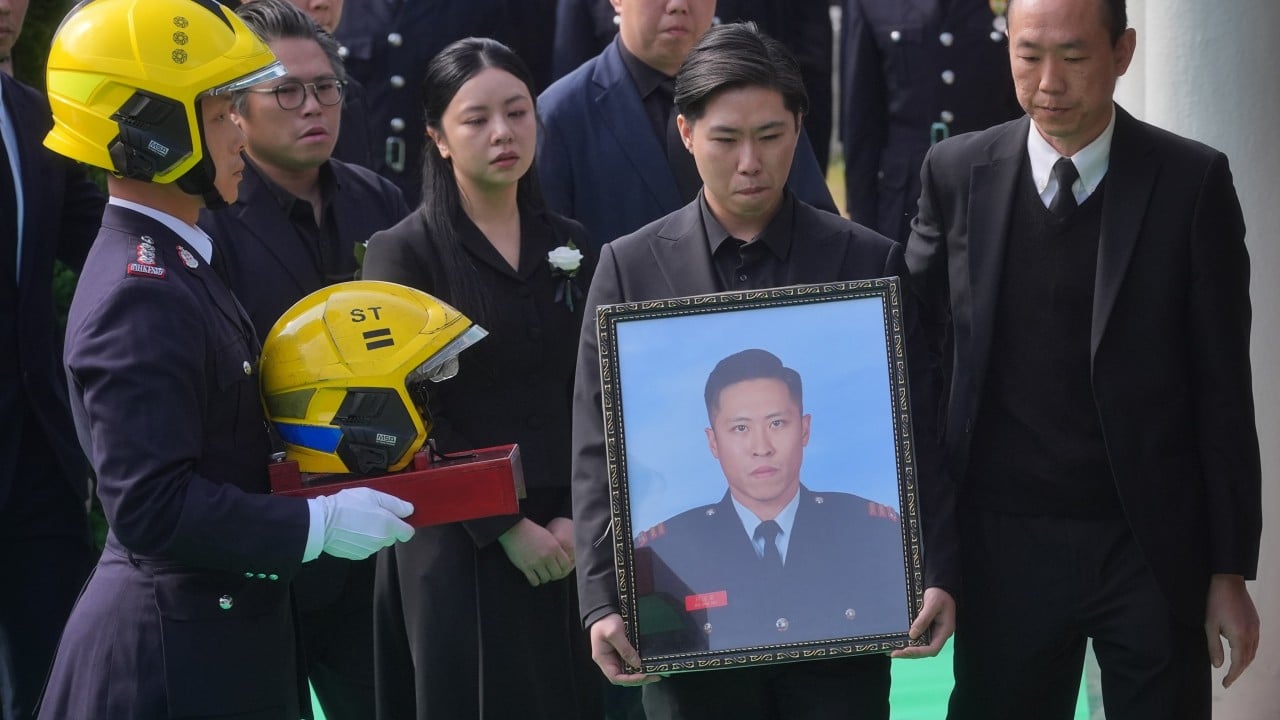
When Hong Kong announced its 2026 Honours List, the media predictably rushed to print the emotional narrative: the late firefighter Ho Chun-kit, who tragically lost his life during a rescue operation in Deep Water Bay, was awarded the Medal for Bravery. The coverage followed a well-worn, comfortable script. It focused on individual heroism, institutional gratitude, and collective mourning.
It is a beautiful sentiment that completely misses the point.
Awarding a medal after a tragedy allows municipal departments, oversight committees, and the public to feel a sense of closure. It transforms a systemic breakdown into a story of personal triumph over adversity. By canonizing the individual, we inadvertently absolve the infrastructure that failed them.
True respect for frontline workers does not look like a piece of metal delivered to a grieving family. It looks like brutal operational audits, aggressive procurement of advanced safety tech, and a culture that treats every single worker fatality not as an act of god, but as an avoidable policy failure.
The Heroism Trap
Society uses the language of heroism to subsidize unnecessary risk.
When an agency labels a tragic death as an act of supreme sacrifice, it subtly shifts the burden of safety from the organization to the individual. The narrative implies that the outcome was the natural, albeit tragic, conclusion of a dangerous job.
It is not. Firefighting, maritime rescue, and emergency response are inherently hazardous, but the rate of critical incidents is directly tied to command decisions, resource allocation, and real-time data accuracy.
I have spent years analyzing operational risk frameworks across high-stakes industries. Every time an organization relies heavily on the "heroism" narrative post-incident, it is almost always hiding a deficit in predictive planning or equipment redundancy. If a system requires a human being to perform a miraculous, life-threatening maneuver to achieve a successful outcome, the system has already failed.
The "lazy consensus" of the standard news cycle accepts the honor at face value. We are told to celebrate the bravery. But bravery should be the absolute last line of defense, not the operational baseline.
Redefining the Real Questions
The public usually asks: Did they receive the recognition they deserved?
That is the wrong question. The right question is: What specific technological or tactical failure forced them into a position where survival depended on luck?
Let us dismantle the typical inquiries surrounding these events:
Do honors lists improve frontline morale?
Only superficially. Frontline personnel in high-risk environments value functional equipment, clear communication chains, and realistic risk assessment protocols far more than the promise of a posthumous commendation. When you speak to veterans in these fields, the consensus is clear: they want to retire with their health intact, not be celebrated in a government gazette.
Can all operational fatalities be prevented?
The standard defense from bureaucrats is that "zero risk" is an impossibility in emergency services. This is a cop-out. While zero risk cannot be guaranteed, treating every fatality as a preventable anomaly—rather than an inevitable cost of doing business—is the only mindset that drives meaningful innovation.
The Concrete Alternative: Asset-First Risk Management
Instead of investing emotional and political capital into elaborate awards ceremonies, municipal budgets need to pivot toward aggressive, uncompromising risk mitigation. This requires a complete overhaul of how we value human capital versus equipment deployment.
- Autonomous First-Response: Human personnel should never enter an unmonitored, high-risk environment without prior drone or robotic reconnaissance. If the environment is too unstable for an uncrewed vehicle, the risk parameters for human entry must be exponentially higher.
- Predictive Telemetry: Frontline operators must be equipped with biometric and environmental sensors that stream real-time data back to a centralized command. The moment vitals or external conditions cross a specific threshold, withdrawal must be mandatory and automated—removing the element of subjective human bravado from the equation.
- Amnesty Reporting Systems: Implement a strictly enforced, anonymous near-miss reporting database modeled after aviation safety standards. If a firefighter encounters a flawed protocol, they must be able to flag it without fear of institutional blowback.
The downside to this approach is obvious: it is expensive, it slows down response times in the short term, and it requires a massive cultural shift away from the traditional, adrenaline-fueled ethos of emergency services. It forces commanders to make cold, calculated decisions to abandon property or accept tactical retreats when the data says the risk is too high.
But the alternative is what we see now: a steady cadence of preventable tragedies, followed by solemn press conferences, followed by medals.
Stop celebrating the sacrifice. Start fixing the system that demanded it.


