Most garage sale shoppers find chipped coffee mugs and outdated paperback books. A Tennessee couple found a piece of football royalty for less than the cost of a candy bar. That single thrift store find rewrote the rules of sports memorabilia collecting and proved that history hides in plain sight.
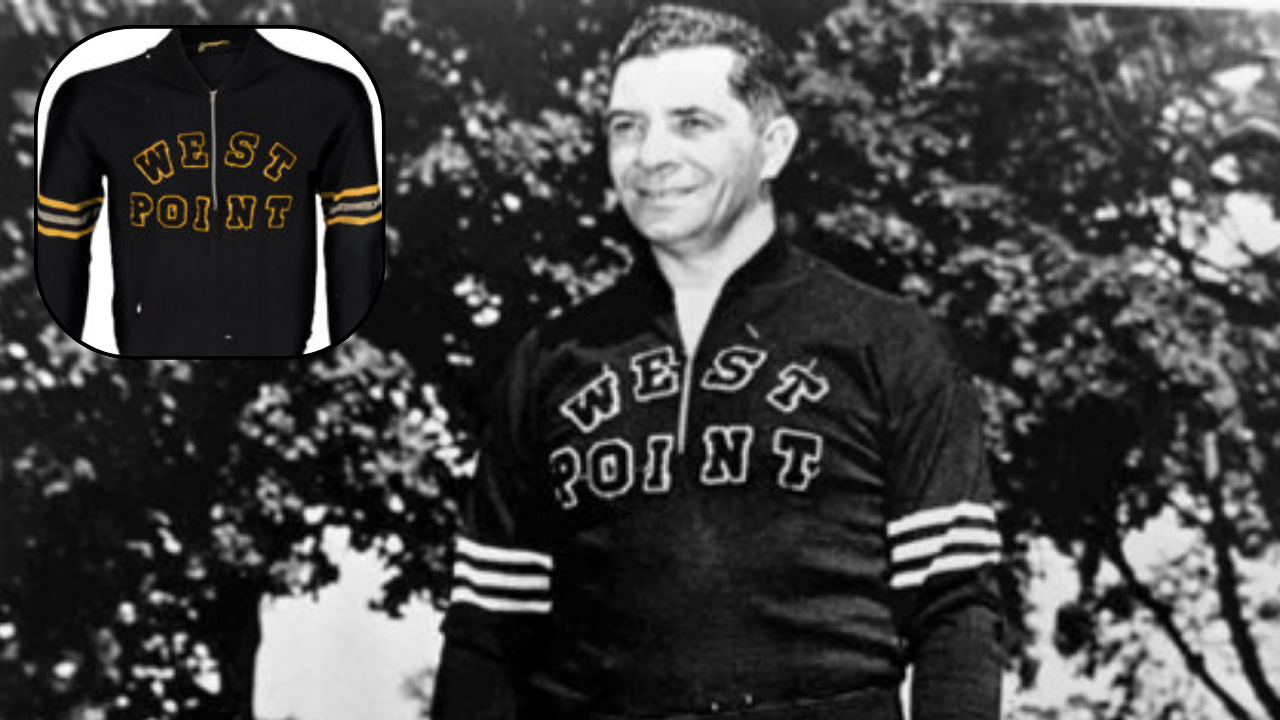
Sean and Roni McAllister walked into a thrift store in Hendersonville, Tennessee, back in 2014. They weren't hunting for historical artifacts. They just wanted some cheap clothes. Roni spotted a heavy, old-school wool sweater tucked away on a rack. It felt substantial. It looked vintage. She checked the price tag. Fifty-eight cents.
They bought it. They didn't know it belonged to Vince Lombardi. They didn't know it carried a multi-thousand-dollar price tag. They just thought it was a warm sweater.
If you think sports history belongs exclusively in climate-controlled auction houses, you haven't paid attention to how everyday people stumble into fortunes. Most collectors miss the real treasures because they look for flash instead of fabric. They want signed jerseys encased in acrylic glass with certificates of authenticity. They ignore the boxes of old junk sitting in damp basements or dusty thrift store aisles.
Let's look at the actual provenance of the Lombardi sweater. Inside the collar, the garment featured a cleaning tag bearing the name "V. Lombardi." Vince Lombardi coached the Green Bay Packers to legendary status. He won the first two Super Bowls. The NFL named the ultimate championship trophy after him. This wasn't just any old coach. This was the architect of modern professional football.
The couple didn't realize what they had until they started researching the name on the tag. They reached out to Heritage Auctions. Experts authenticated the piece. They traced it back to Lombardi's time coaching at St. Cecilia High School in Englewood, New Jersey, before he took over the Packers. The sweater featured the exact green and gold color scheme of the school. It was worn, authentic, and utterly irreplaceable.
When it hit the auction block, it shattered expectations. It sold for $43,020.
Fifty-eight cents to over forty-three thousand dollars. That return on investment sounds like lottery math. But it happens more often than you think in the world of sports memorabilia.
The Economics of Thrift Store Sports History
People love a good treasure hunt story. But the mechanics behind how a piece of sports history ends up in a Tennessee thrift store reveal a lot about how families handle estates, donations, and forgotten belongings.
Items move across state lines. People move south for retirement. They pack up old boxes from parents or grandparents. They drop off bags of unwanted clothing at local charities without checking pockets, tags, or insignias. Thrift store sorters process thousands of items an hour. They look for stains, tears, and brand names like Nike or Under Armour. They don't cross-reference vintage dry-cleaning tags with NFL coaching lineages.
That human blind spot is your greatest asset if you want to find undervalued history.
Memorabilia markets rely heavily on authentication. You can't just slap a high price on an old sweater because it has a famous name on a dry-cleaning tag. You need a paper trail. You need physical markers. Stitching counts. Materials matter. The Lombardi sweater passed rigorous authentication because every physical detail matched known photographs of the coach from his early career.
What Most Collectors Get Wrong About Vintage Gear
Amateur collectors make the same mistakes over and over. They chase modern hype. They buy limited-edition sneakers that drop in price six months later. They snap up modern commemorative plaques that will never appreciate in value.
True value lives in the vintage, the used, and the overlooked.
If you want to spot valuable sports gear in the wild, you need to understand manufacturing eras. Wool quality changed dramatically after the 1960s. Synthetic blends took over. Heavy-duty athletic wool from the mid-century feels entirely different from modern reproductions.
Look at the tags. Union labels tell a massive story. The International Ladies' Garment Workers' Union and similar organizations used specific union bugs in clothing tags that changed every few years. If you spot a union label from the 1940s or 1950s on a sports-related item, pay attention. That item predates mass-market sports merchandising. Before teams realized they could sell cheap replica jerseys to fans, players and coaches wore high-end, custom-made apparel from local tailors or regional outfitters.
How to Spot Hidden Treasures Without Getting Burned
You don't need a degree in textile history to find great pieces. You do need patience and a sharp eye.
First, stop looking for big-name superstars right away. Everyone knows Babe Ruth or Michael Jordan. Items tied to them face intense scrutiny and attract fierce competition. Look for foundational figures. Coaches, assistant coaches, scouts, and early-era players often have personal items floating around without mainstream recognition.
Second, check local estate sales near historic sports hubs. Green Bay, Wisconsin, isn't the only place Lombardi items ended up. Coaches move. Families scatter. A box of old gear from a 1950s coach could turn up in Florida, Texas, or Tennessee.
Third, understand condition versus character. A pristine item is great. But a worn item with proven provenance often tells a better story. Lombardi's sweater showed wear. It looked used because it was used on the sidelines during chilly autumn practices. Buyers pay for authenticity and history, not showroom perfection.
The market for rare sports artifacts continues to surge. Million-dollar jersey sales dominate sports news headlines every month. Game-worn gear from modern stars commands insane prices. But the grassroots level of collecting—the thrift stores, the church bazaars, the forgotten attic cleanouts—remains the wild west.
The McAllister family didn't set out to become sports history heroes. They just took a gamble on a cheap piece of wool. Next time you browse through a rack of vintage clothing, look at the tags. Check the names. You might be holding a piece of history worth a small fortune.