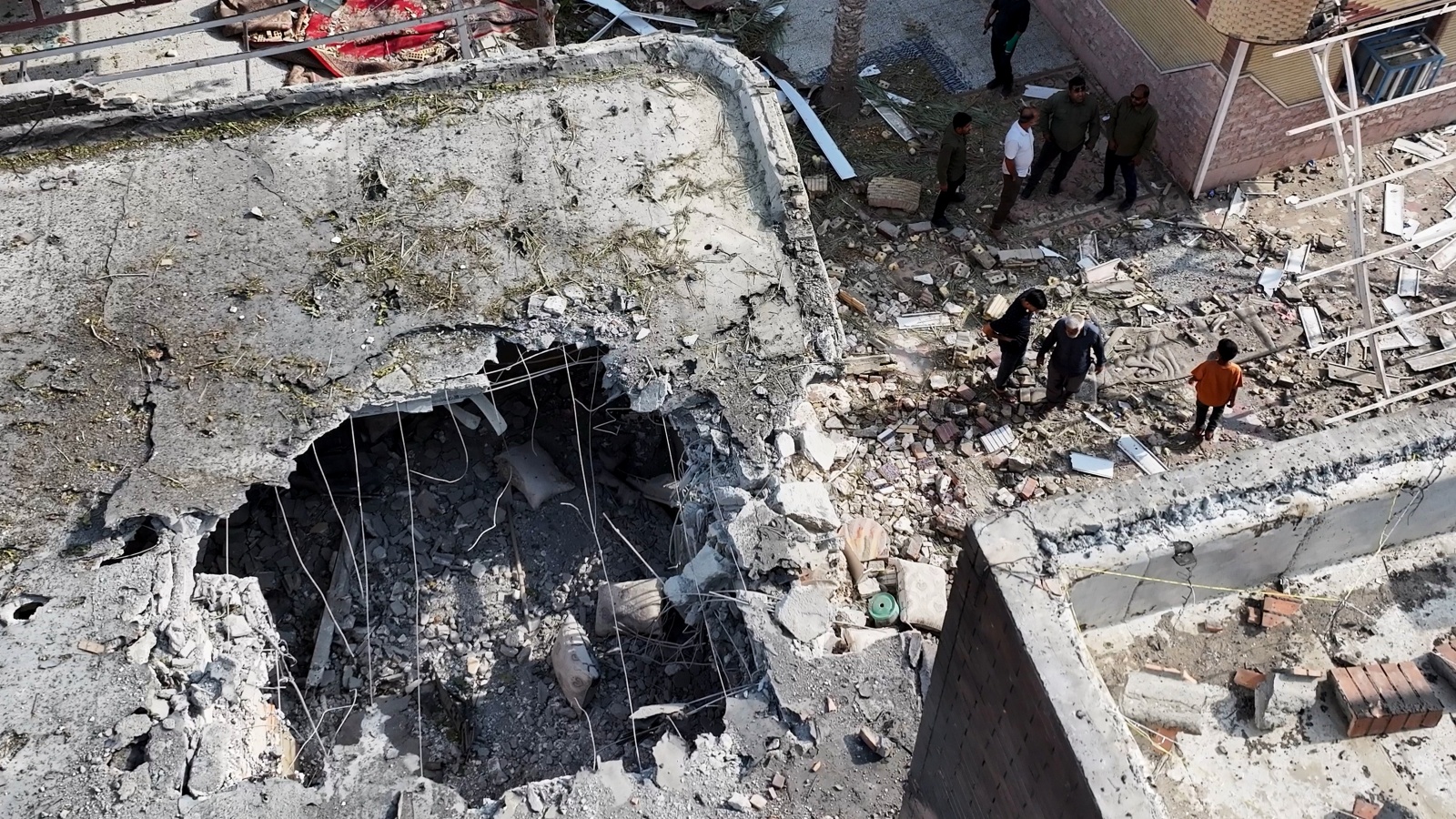
Eighty-one combatants are dead. That is the immediate human toll of a sudden, brutal surge in fighting along Yemen's Red Sea coast.
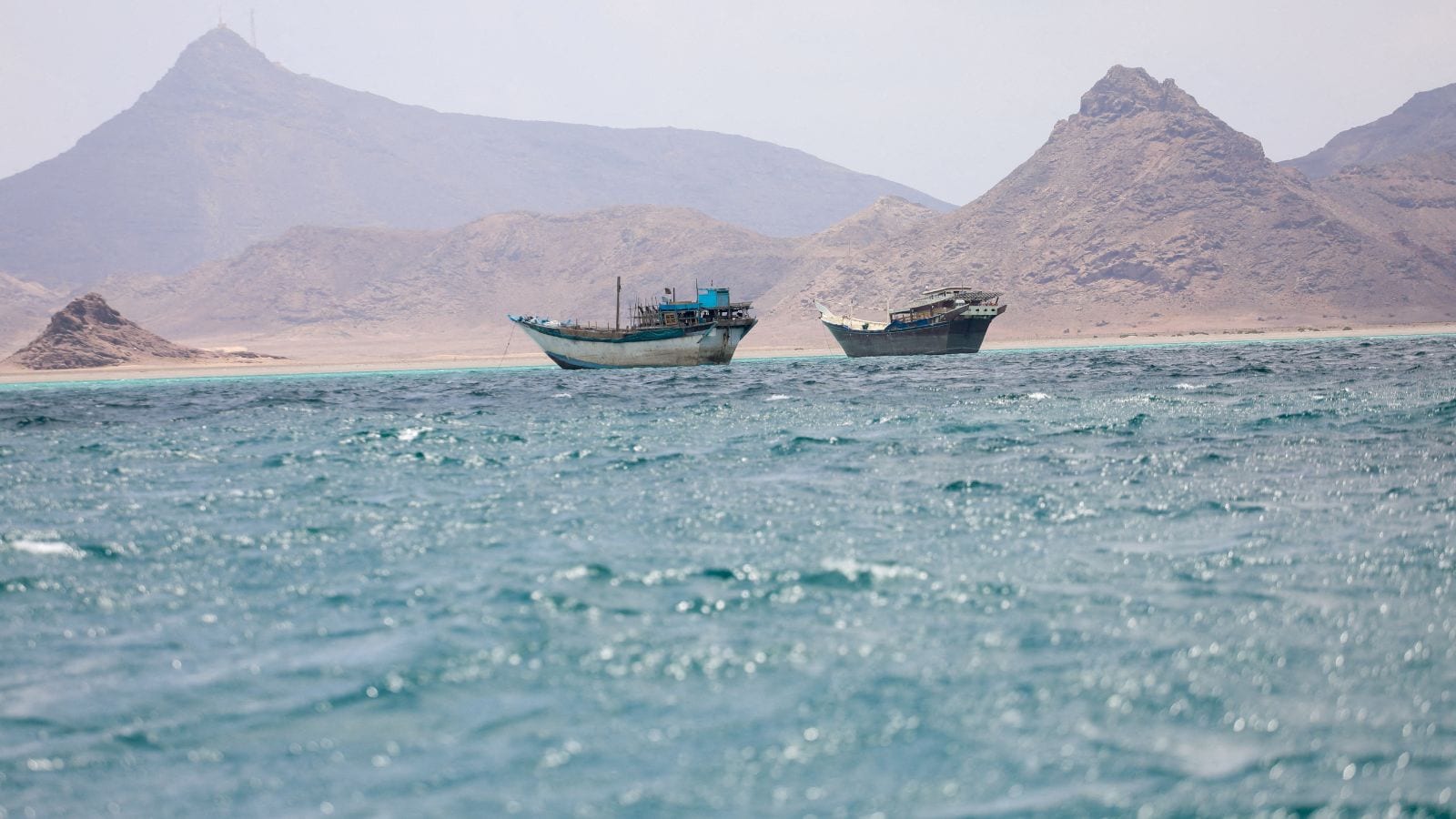
If you have been tracking global supply chains, you already know why this matters. Iran-backed Houthi rebels are on the offensive, driving hard toward the Bab al-Mandab strait. They want absolute control over the narrow maritime chokepoint that links the Red Sea to the Indian Ocean. When this region erupts, shipping costs spike worldwide.
Inside the Ground Offensive
The latest bloodshed began when Houthi forces launched a coordinated ground assault backed by heavy rocket and drone fire. Their primary objective is straightforward: cut off the government-held port city of Mokha and push directly toward the waters of Bab al-Mandab.
Military officials on the ground report a grim tally. At least 24 government troops have died along the coastal frontlines, while another 15 lost their lives during fierce battles in the inland Taiz area. On the other side, medical sources inside rebel-held territories confirm that at least 42 Houthi fighters perished in the clashes.
The rebels have managed to seize high ground overlooking government positions near the coast and around Taiz. These elevated vantage points give them a tactical advantage, allowing them to target commercial and military vessels moving through the strait with relative ease. In response to the rapid advance, Saudi-backed government forces rushed military reinforcements from Aden toward Taiz, trying to shore up a defense line that is dangerously close to breaking.
Why Bab al-Mandab Matters Now More Than Ever
Most people ignore geopolitical flashpoints until gas prices jump or consumer goods vanish from store shelves. But Bab al-Mandab is different. It is a critical artery for international trade.
The stakes skyrocketed after the closure of the Strait of Hormuz disrupted traditional oil transit routes out of the Persian Gulf. Suddenly, alternative passages like the Red Sea became the primary escape valve for energy exports.
If the Houthis succeed in establishing a foothold or exerting dominance over the strait, they control a choke collar on global commerce. Insurance rates for cargo ships operating in the area have already climbed through the roof. Shipping companies are forced to weigh the immense financial risk of passing near Yemen against the astronomical cost of routing tankers completely around Africa.
The Collapse of the Truce
This renewed violence did not happen in a vacuum. It represents the final, violent collapse of a fragile truce that had held since 2022.
The fragile peace unraveled when the rebels welcomed an incoming Iranian flight into Sanaa, brushing past government objections. Things deteriorated quickly from there. The Houthis announced a formal maritime blockade targeting Saudi shipping, fired ballistic missiles at commercial vessels, and dragged Yemen's decade-long civil war right back into the center of the wider regional conflict.
Saudi-backed authorities argue that the rebels are weaponizing negotiations to stall while building up combat power. Meanwhile, Houthi leadership claims they are simply fighting to break years of economic blockades imposed on them.
What Comes Next for the Region
The fighting along the Red Sea coast shows no signs of slowing down. As long as the high ground around Mokha and Bab al-Mandab remains contested, expect further escalation. The Saudi-backed government cannot afford to lose the port of Mokha without losing its entire maritime foothold in western Yemen. The Houthis, emboldened by their recent tactical gains, see a rare window to reshape the country's strategic map.
Expect supply chain disruptions to persist, energy markets to remain jittery, and international naval coalitions to step up patrols near the southern entrance of the Red Sea to keep the shipping lanes open by force.