The refrigerator stops humming first. It is a slow, dying rattle that makes you realize just how loud the silence in a house can be. Then the overhead bulb flickers, struggles against an invisible tether, and goes entirely dark. In the modern world, we treat electricity like oxygen—invisible, guaranteed, and forgotten until it is gone. But when the grids fail, the distance between the twenty-first century and the dark ages is exactly three seconds.
For the eighty-eight million human beings living under the sky in Iran, that silence is no longer a distant anxiety. It is a scheduled reality.
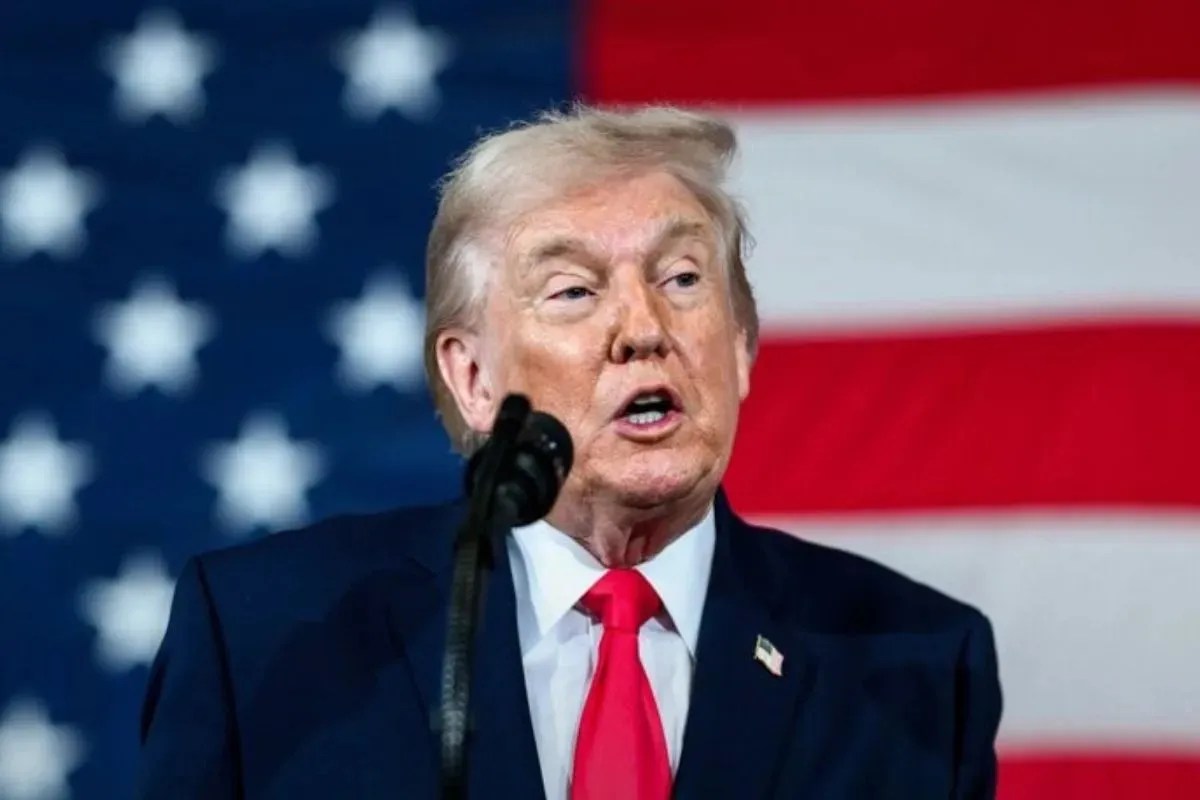
Distance turns the theater of global conflict into a scoreboard. We read the headlines on glass screens while sipping coffee, processing geopolitical shifts as abstract calculations of leverage and strategy. On a Tuesday evening broadcast, the words cut through the room with the casual cadence of a weather report. The threat was explicit, measured, and delivered with a chillingly specific timeline. Tonight will be heavy. Tomorrow night will be heavier. But next week, the ultimatum changes shape entirely. Next week, the targets are no longer just military outposts or isolated desert barracks. Next week, the crosshairs align with the bridges that connect families and the power plants that keep neon lights burning over crowded city streets.
It is a strategy designed to reduce a nation’s modern existence to an ultimatum: negotiate on Washington's terms, or watch the lights go out.
Consider a family in Isfahan. They do not sit in high-security briefings. They do not command fleets in the strategic waters of the Strait of Hormuz. They are trying to keep milk from spoiling in a fading summer heat. When a power plant is removed from the grid by a precision Tomahawk missile, the consequence is not merely a statistical drop in megawatt output. The consequence is a neonatal ward relying on backup generators that are rapidly running out of diesel. It is the sudden stall of water purification systems, turning tap water into a gamble.
Bridges carry the same weight. A bridge is rarely just steel and concrete spanning a river or an urban highway. It is the route a father takes to reach the pharmacy before it closes. It is the artery carrying flour to the bakeries. When those spans drop into the water below, a city does not just lose infrastructure; it loses its circulation. The world shrinks. Communities become isolated islands, separated by chasms of rebar and broken pavement, waiting for the sky to clear.
The calculus behind this escalation relies on an old, brutal logic. By squeezing the physical framework that sustains daily life, you force the leadership to the bargaining table. The rhetoric from the White House makes the stakes clear—make a deal, or there will be nothing left to defend. There is an eerie detachment in how this pressure is applied. The oil fields are intentionally spared, preserved to keep the global markets from panicking, while the domestic infrastructure that keeps ordinary citizens warm, fed, and connected is placed on the chopping block. The global economy must not bleed, even if the local population must live in darkness.
But history has a stubborn habit of refusing to follow the scripts written by planners in distant capitals. When pressure increases, nations do not always fracture along predictable fault lines. Sometimes, the shared hardship of cold nights and broken roads hardens into something far more volatile than compliance.
The negotiation table remains empty for now, an island of unused timber surrounded by a sea of escalating kinetic force. Representatives speak in hushed, hurried phone calls an hour before the public declarations are made, but the words are swallowed by the roar of descending ordnance. Meanwhile, the people below the flight paths can only look up at the sky, counting the days until next week arrives, wondering if the next sound they hear will be the shattering of a bridge or the final, quiet click of the lights going out for good.
:max_bytes(150000):strip_icc():focal(749x0:751x2)/auschwitz-2-691cb034ee9e43cfa45a0969012c6337.jpg)