The heat in Malabo does not merely sit on your skin; it breathes. It is a thick, humid weight that smells of salt spray from the Gulf of Guinea and the rich, damp earth of the volcanic hinterlands. On the tarmac of the Saint John Paul II International Airport, the air shimmers. This is where the world usually looks past Equatorial Guinea, a small nation tucked into the curve of Africa’s arm, often reduced to a line item in oil production reports or a footnote in colonial history.
But today, the silence of the routine is broken.
When the shepherd arrives, he does not come for the oil. He does not come for the geopolitical leverage that keeps the West’s eyes fixed on the port. He comes for the people who stand in the tall grass, the ones whose hands are calloused by nets and machetes, waiting to see if a man from a city of marble and stone can truly see a village of wood and tin. Pope Leo XIV has begun his Apostolic Journey, and for the next few days, the center of the Catholic world has shifted from the Tiber to the shores of Bioko Island.
The Invisible Stakes of a Visit
To the casual observer, a papal visit is a choreographed sequence of red carpets, waving hands, and Latin chants. It looks like a diplomatic formality.
It isn't.
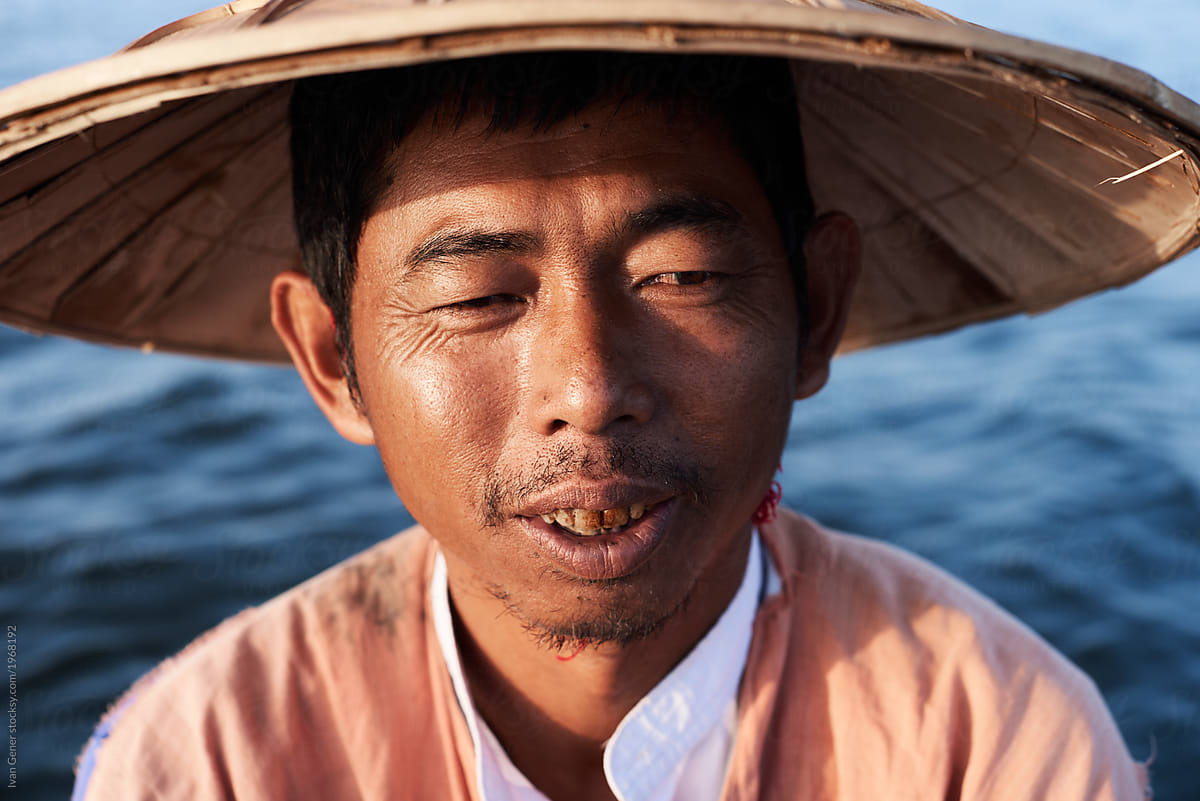
For the people of Equatorial Guinea, this is a moment of profound validation. Consider a hypothetical fisherman named Mateo. He lives in a small coastal village where the electricity is as fickle as the tides. For Mateo, the Vatican is a concept as distant as the moon. He has spent his life navigating a world where he feels forgotten by his own government and ignored by the global community. When he hears that the "Holy Father" is coming to his soil, it isn't just a religious event. It is an acknowledgment of his existence. It is a statement that his struggles, his faith, and his tiny corner of the earth matter to the highest moral authority in his universe.
The stakes are invisible because they are spiritual and psychological. In a region that has weathered decades of political complexity and economic disparity, the arrival of Leo XIV acts as a pressure valve. He brings a message of "Reconciliation and Hope," which sounds like a platitude until you realize it is being spoken in a place where those two things have often been in short supply.
The Geography of Faith
Equatorial Guinea is a geographical anomaly. It is the only Spanish-speaking country in Africa, a linguistic island surrounded by French and Portuguese influences. It is split between the mainland of Río Muni and the volcanic island of Bioko. This fragmentation is not just physical; it reflects a history of cultural layering—Bubi, Fang, and Spanish influences intertwined like the roots of the ancient ceiba trees that dot the landscape.
When Leo XIV stepped off the plane, he was met by President Teodoro Obiang Nguema Mbasogo. The optics were stiff, as they always are when the secular meets the sacred. But as the motorcade wound through the streets of Malabo, the formality dissolved into something raw. The crowds were not just there to watch a celebrity. They were there to be blessed. They held up rosaries, scraps of cloth, and even their children, hoping for a glance.
The Pope’s first stop was the Malabo Cathedral, a stunning piece of Spanish Gothic architecture that survived a devastating fire years ago. It stands as a metaphor for the local church itself: scorched, yet standing. Within those walls, the air was cool, but the atmosphere was electric. Leo XIV spoke to the clergy and the laypeople, but his eyes seemed to be searching for the people in the back rows—the Mateos of the world.
The Language of the Heart
Complexity is the enemy of connection. The Pope knows this. While the Vatican Press Office issues bulletins about bilateral agreements and diplomatic protocols, the real work happens in the silences between the speeches.
Leo XIV’s address in Malabo avoided the dense theological jargon that often clogs the arteries of religious discourse. He spoke of the "ecology of the soul." He tied the protection of the nation’s breathtaking rainforests to the protection of its most vulnerable citizens. It was a clever, necessary bridge. You cannot claim to love the Creator if you are destroying the creation, and you cannot claim to serve the people if you are ignoring their basic dignity.
This is where the narrative of the visit shifts from a travelogue to a challenge. The Pope is a guest, but he is a guest with a prophetic voice. He navigated the delicate balance of respecting national sovereignty while subtly reminding his hosts that true power is found in service, not in the accumulation of wealth.
He didn't use a megaphone to say it. He used his presence. By visiting a local maternity hospital later that afternoon, he shifted the spotlight from the mahogany halls of power to the plastic cribs of the next generation. In those wards, the smell of antiseptic was punctuated by the soft cooing of infants. The Pope didn't give a speech there. He touched foreheads. He listened to mothers.
One woman, her face etched with the exhaustion that only a new parent knows, reached out to touch the white sleeve of his cassock. In that split second, the "Apostolic Journey" wasn't about a global religion. It was about two human beings recognizing each other’s humanity.
The Weight of History
We cannot understand this journey without looking at the scars. Equatorial Guinea’s path since independence has been anything but smooth. The Church has often been the only institution that remained when others crumbled. It has provided the schools, the clinics, and the social glue that kept communities together during the darkest years of the late 20th century.
Because of this, the Pope isn't just a visiting dignitary; he is the head of the family business. And that business is survival.
The crowds in the Plaza de la Independencia for the outdoor Mass were a sea of vibrant color. Brightly patterned "pagne" fabrics featured the Pope’s face printed over the map of Africa. The music was a thunderous fusion of traditional drums and Gregorian chant. It was a sensory overload that defied the sterile "Vatican News" reports.
As the sun began to dip toward the Atlantic, casting long, golden shadows across the plaza, Leo XIV looked out at the thousands gathered. He spoke of the "salt of the earth." He reminded them that salt is small, often invisible when dissolved, yet it changes the flavor of everything it touches.
"You are the salt," he told them.
The impact of those four words cannot be overstated. In a globalized world where Equatorial Guinea is often treated as a mere extraction point for resources, being told you are the essential element—the flavor, the preservative, the thing that matters—is a radical act of love.
Beyond the Red Carpet
The motorcade will eventually return to the airport. The red carpet will be rolled up, and the heavy transport planes will carry the Pope’s chairs and podiums back to Rome. The world’s cameras will swivel toward the next crisis or the next summit.
But what remains?
The skeptics will say that nothing has changed. They will point to the same old political structures and the same economic hurdles. They are looking at the wrong metrics.
The real change is found in the conversations that happen in the markets of Bata and the fishing boats of Luba the next morning. It is found in the renewed energy of a local priest who has been working alone in a remote parish for twenty years and finally feels seen. It is found in the young students who saw a world leader prioritize their small country over the gleaming capitals of the West.
The Pope’s journey to Equatorial Guinea is a reminder that the world is not just a collection of GDP figures and border lines. It is a collection of stories. For three days, a man in white sat down to listen to the story of a nation that is usually forced to shout to be heard.
As the plane climbed into the humid sky, leaving the silhouette of Mount Basile behind, the silence returned to Malabo. But it was a different kind of silence. It wasn't the silence of being forgotten. It was the quiet, humming silence of a people who had been reminded that they are not a footnote.
The fisherman returns to his boat. The nets are still heavy, and the sea is still vast. But as he casts his line into the dark water of the Gulf, he does so with the knowledge that his shore was once the center of the world. And that is a memory that no amount of time or tide can wash away.