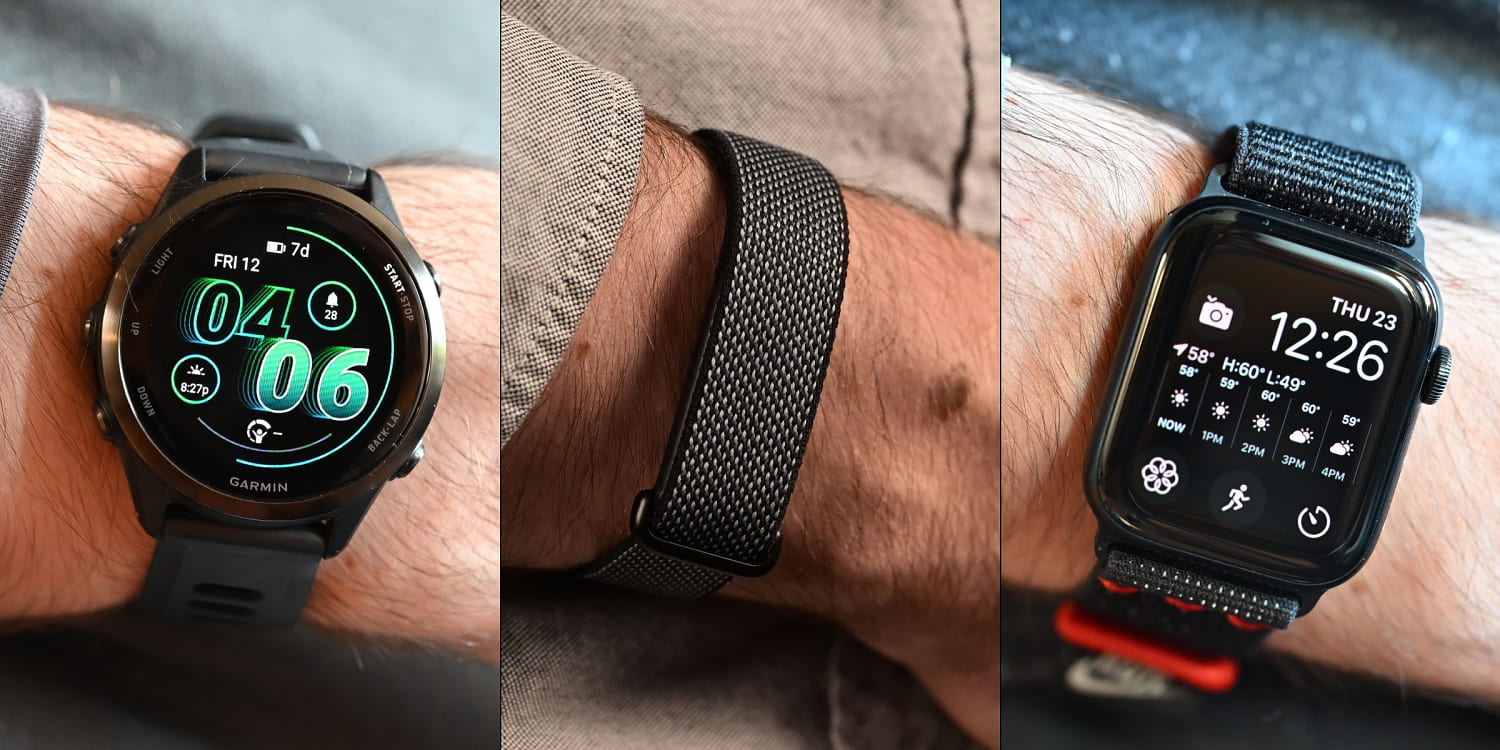
Every January, tech journalists line up to strap six different pieces of glowing plastic to their wrists, walk on a treadmill, and declare a winner in the annual "best fitness tracker" sweepstakes. The consensus is always the same. Buy the one with the brightest screen. Buy the one that counts your sleep stages down to the minute. Buy the one that reminds you to breathe when your heart rate spikes.
It is a multi-billion-dollar circle jar of useless data.
I have spent fifteen years analyzing wearable biometric data, consulting with elite strength coaches, and watching everyday gym-goers obsess over metrics they do not understand. Here is the uncomfortable reality the tech industry hides behind slick marketing campaigns: fitness trackers do not make you fit. For a massive percentage of the population, they actually achieve the exact opposite.
They turn intuitive movement into a stressful chore, replace internal biofeedback with flawed algorithms, and trick you into thinking a 10,000-step walk justifies eating a cheeseburger.
If you want to actually get in shape, the first thing you should do is take the tracker off.
The Flawed Premise of "Steps" and Calorie Burning
The foundational metric of almost every wearable on the market is the calorie burn estimate. It is also the most deeply broken.
Stanford University researchers tested seven prominent fitness trackers to evaluate their energy expenditure algorithms. The results were a disaster. Even the most accurate device was off by 27%, while the worst-performing tracker missed the mark by a staggering 93%.
Imagine a scenario where your tracker tells you that you burned 500 calories during a morning workout. In reality, you only burned 260. If you use that data to guide your nutrition—eating back those "burned" calories—you are locked into a permanent caloric surplus. You are gaining fat because your wristband lied to you.
Trackers rely on accelerometers and heart rate sensors to guess metabolic output. They use generalized linear models based on average populations. They do not know your specific muscle mass, your mitochondrial efficiency, or your unique running economy.
Worse, your body adapts. When you first start running, your heart rate skyrockets, and your tracker registers a massive calorie burn. Six weeks later, your cardiovascular system is more efficient. You are moving smoother. You burn fewer calories doing the exact same run. But your tracker often still sees the high output based on your speed and historical data, inflating your ego while stalling your progress.
The Sleep Score Trap
"How did you sleep last night?"
You used to answer that question by waking up, stretching, and assessing how your body felt. Now, people roll over, check an app on their phone, and let an arbitrary score out of 100 dictate their mood for the day.
This phenomenon is known as orthosomnia—a clinical preoccupation with perfecting wearable sleep data.
Fitness trackers do not read your brain waves. They are not polysomnography machines. They measure movement (actigraphy) and heart rate variability (HRV) to infer whether you are in light, deep, or REM sleep. If you lie perfectly still in bed, awake but paralyzed by existential dread, your tracker will frequently log it as beautiful, deep sleep. Conversely, if you are a naturally restless sleeper who moves during REM, your app will tell you your sleep quality was garbage.
I have seen clients wake up feeling refreshed, see a "poor" sleep score on their app, and immediately experience a psychosomatic wave of fatigue. They let a flawed algorithm override their own central nervous system.
The heavy hitters in sleep science, like Dr. Matthew Walker, emphasize regular schedules and dark rooms, not obsessing over whether your device logged 14% or 18% deep sleep. Your body knows if it is rested. Your watch is just guessing.
The Tyranny of Gamification
Tech companies love to talk about behavioral psychology. They design rings that need closing, streaks that need maintaining, and digital badges that trigger a tiny hit of dopamine.
This gamification ruins the core psychology of fitness. It shifts your motivation from intrinsic (moving because it feels good and builds a stronger body) to extrinsic (moving to satisfy an app).
What happens when you have a 45-day step streak going, but your knee is inflamed and you desperately need a rest day? The gamified app does not care about your patellar tendon. It tells you to get up and walk. So you walk, worsen the injury, and sideline yourself for three months.
Conversely, what happens when you hit your 10,000-step goal by 4:00 PM? For most people, subconscious activity drops off a cliff. They sit on the couch for the rest of the night, feeling accomplished. They achieved the arbitrary metric, so they shut down.
Real physical autonomy requires listening to your body's signals of fatigue, hunger, and strength. A screen cannot teach you that.
The Metrics That Actually Matter (And Are Free)
If you are going to use data, use data that cannot be corrupted by a buggy software update. The obsession with micro-metrics has blinded people to the macro-variables that actually drive body composition and performance changes.
| The Tracker Obsession (Useless) | The Real World Metric (Critical) | How to Measure It |
|---|---|---|
| Active Calorie Burn | Total Daily Protein Intake | Track food weight for two weeks. |
| REM Sleep Percentage | Resting Heart Rate (RHR) | Manual pulse check for 60 seconds upon waking. |
| Stress Score | Progressive Overload | Log your workout weights, sets, and reps in a notebook. |
| Steps | Rate of Perceived Exertion (RPE) | Rate your workout intensity on a scale of 1-10. |
Look at that table. Not a single one of the critical metrics requires a Bluetooth connection.
If you want to get stronger, you do not need to know your skin conductance level. You need to know if you lifted more weight this week than you did last week. If you want to lose fat, you do not need an ecosystem of smart devices. You need a kitchen scale and an honest assessment of your caloric intake.
The Dark Side of Constant Connectivity
We are already drowning in notifications. Adding a device that vibrates against your skin to tell you that you have been sitting too long or that your heart rate is elevated while you are stuck in traffic is a recipe for chronic, low-grade anxiety.
When your tracker alerts you that your "stress level is high," it activates your sympathetic nervous system even further. It becomes a self-fulfilling prophecy. You get stressed because the watch told you that you are stressed.
The path forward is simple, though it is not profitable for Silicon Valley.
Ditch the watch for thirty days. Go for a run without tracking your pace. Lift weights based on how heavy the iron feels, not what a readiness score dictates. Eat food based on hunger and performance goals rather than trying to balance a digital ledger of calories in versus calories out.
Reclaim your biological intuition. Your body is a highly sophisticated, self-regulating organism that has survived for millennia without firmware updates. Stop letting a $300 piece of plastic tell you how you feel.