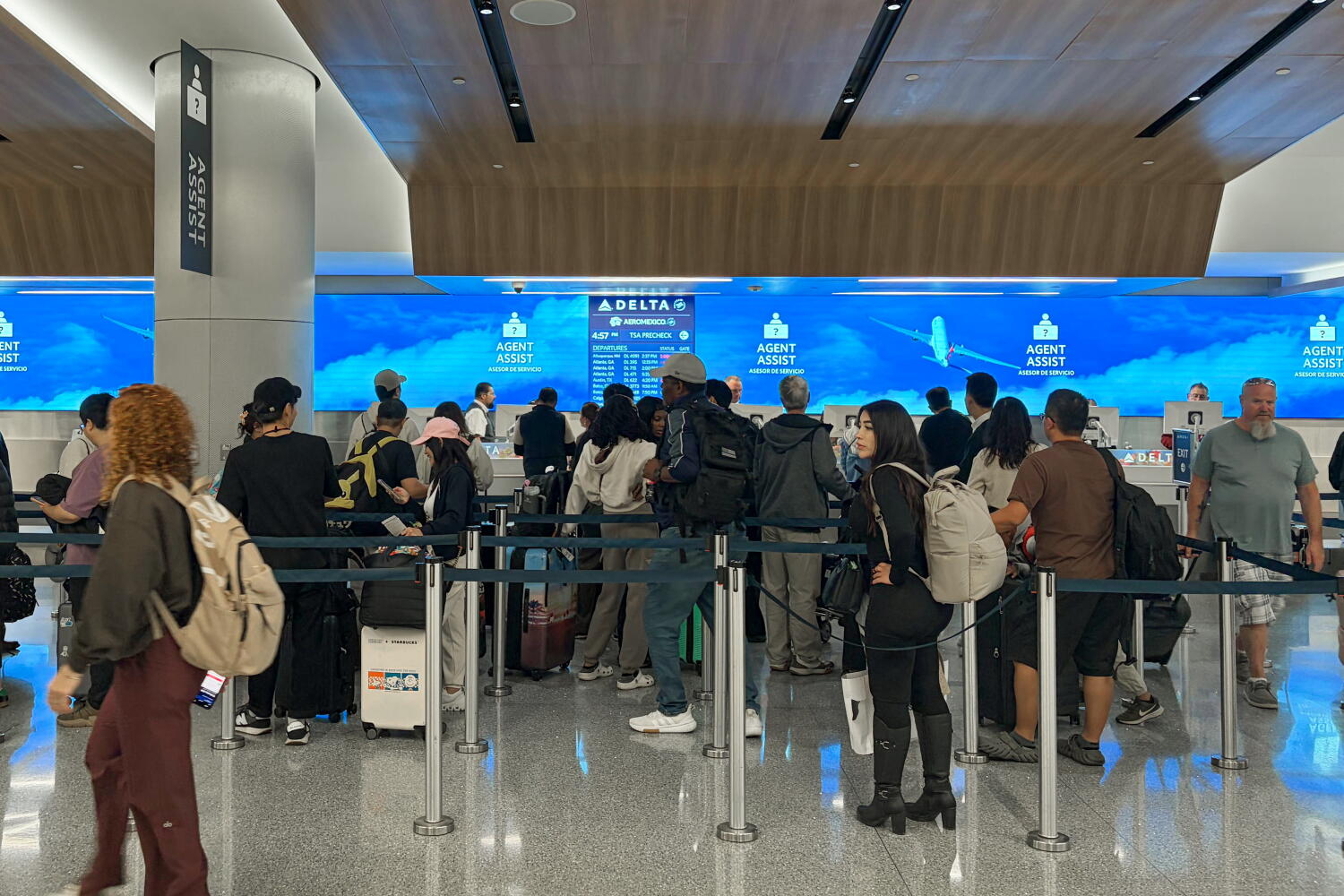
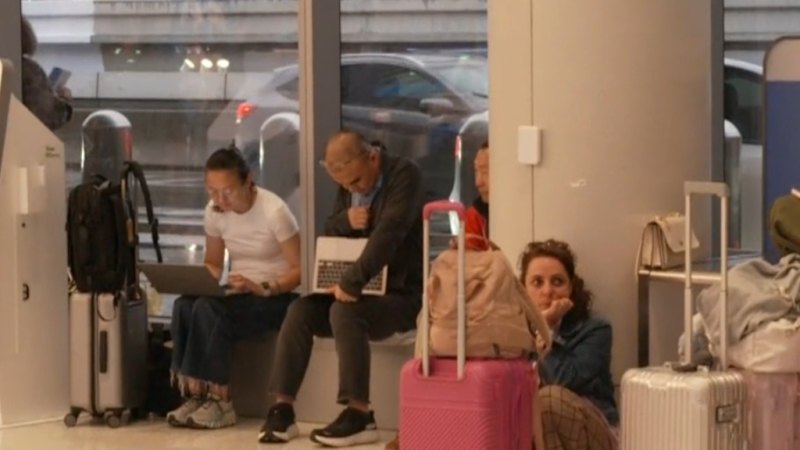
Standing in a two-hour customer service line at O'Hare while an airline app crashes on your phone is a special kind of misery. You watch the departure board flip from delayed to canceled, and suddenly three hundred people are all fighting for the same twelve seats on tomorrow morning's flight. Most travelers just stand there, hoping an agent can pull a miracle out of thin air.
Smart ones walk out the sliding doors.
When airlines melt down due to weather, air traffic control staffing shortages, or computer outages, regional rail and rental cars stop being backup options and become your fastest way home. You don't need to wait three days for a rebooking if your destination is under 500 miles away. Grabbing a train ticket or a one-way rental car puts you back in control immediately, often getting you to your front door before the airline even rebooks your checked bag.
Why Airlines Fail You During Mass Disruptions
Modern commercial aviation runs on razor-thin margins and tightly packed schedules. According to the Bureau of Transportation Statistics, major carriers operate hubs where a single thunderstorm in Atlanta, Chicago, or Newark creates a domino effect across the entire country. Aircraft and flight crews end up out of position, and federal rest rules mean pilots literally cannot fly even if the skies clear up at midnight.
Your airline's rebooking algorithm isn't designed to get you home fast. It's designed to keep your money inside their ecosystem. That means the system will gladly offer you a seat three days later rather than putting you on a competing carrier or suggesting you take Amtrak.
Honestly, waiting in line at the gate is almost always a losing bet. By the time you reach the front of the queue, every reasonable flight out of that hub is gone. The travelers who make it home on time are the ones who recognize a systemic meltdown within the first fifteen minutes and immediately pivot to ground transportation.
How to Pivot to Trains When Planes Are Grounded
If you're stuck along the Northeast Corridor, the Pacific Northwest, or anywhere near a major Amtrak hub, rail is your best friend. Trains don't care about low cloud ceilings, crosswinds, or ground stops at major airports. While thousands of passengers are sleeping on terminal cots between Washington D.C., New York, and Boston, Amtrak's Acela and Northeast Regional trains keep rolling right on schedule.
The catch is inventory. Everyone else in the terminal eventually figures this out, and train seats sell out fast during major weather events.
Book the Train Before Canceling Your Flight
Never cancel your airline ticket until you have a confirmed confirmation number for your train. Open the Amtrak app while you're still sitting at the gate or taxiing back from the runway. Look at stations near the airport—for instance, Newark Liberty International Airport has its own rail station directly connected via AirTrain, and BWI Marshall has a free shuttle straight to the Amtrak and MARC platform.
Once your train ticket is locked in, go into your airline app and cancel the disrupted flight for a full refund. Under Department of Transportation rules, airlines must provide a prompt cash refund—not just a travel voucher—if they cancel or significantly change your flight and you choose not to travel. Don't let an agent talk you into a flight credit if you want your money back on your credit card.
Look Beyond Express Routes
Everyone searches for Acela first. If those seats are gone, check standard regional trains or state-supported routes like the Cascades in Oregon and Washington, the Wolverine in Michigan, or the Pacific Surfliner in Southern California. Even commuter rail systems can bridge massive gaps. Taking Metro-North out of New York City to New Haven, or riding Metra out of Chicago toward northern Illinois and Wisconsin, gets you past the bottleneck where you can easily arrange a pickup or catch an intercity bus.
The Rental Car Escape Strategy That Actually Works
When rail isn't an option—say you're stranded in Denver, Charlotte, or Dallas—a one-way rental car becomes your ticket out. Driving six or seven hours through the night beats spending forty-eight hours eating $18 airport sandwiches and sleeping on carpeted floors.
Most travelers fail at this because they treat airport rental counters like normal business days. During a flight meltdown, rental car lots get wiped out in under forty-five minutes.
Skip the Airport Counter Entirely
If the terminal rental desks have lines wrapping around the baggage claim, stop checking airport inventory. Open Google Maps and look for neighborhood Enterprise, Hertz, or Avis locations five to fifteen miles away from the airport. Local suburban branches run on completely different inventory pools than airport hubs, and they rarely get hit by the initial wave of panicked flyers.
Take a $20 Uber to a neighborhood branch, pick up a compact sedan, and drive home. Even after paying for the rideshare and a one-way drop fee, you'll usually come out ahead compared to paying for two nights in an airport hotel.
Watch Out for One-Way Drop Fees and Insurance Traps
Rental companies know when flights are canceled, and dynamic pricing kicks in fast. A car that normally costs $60 a day can jump to $250 overnight with a hefty one-way drop-off charge attached. Before you hand over your credit card, check two things:
- Your personal auto policy and credit card coverage: Don't get pressured into buying the $35-a-day collision damage waiver at the counter if your primary credit card (like a Chase Sapphire or Capital One Venture card) already provides primary rental insurance.
- Peer-to-peer and truck alternatives: If traditional rental agencies hit zero inventory, check Turo for local cars near the airport, or rent a U-Haul pickup truck or cargo van. U-Haul charges a flat base rate plus mileage, and nobody at the airport thinks to rent a moving truck to drive from St. Louis to Kansas City during an airline outage. It sounds ridiculous until you're cruising down I-70 while everyone else is still arguing with a gate agent.
Protecting Your Wallet and Your Checked Luggage
Pivoting to ground transit comes with two major headaches that trip up inexperienced travelers: getting your bags back and getting reimbursed for the extra expense.
If you checked a suitcase, do not leave the airport without filing a baggage retrieval request at the airline's baggage service office. When you abandon a flight mid-itinerary, the airline won't automatically pull your bag off the ramp unless you tell them you're terminating your trip. If your bag already made it onto an earlier flight to your destination, ask the agent to hold it at the destination baggage office so you can pick it up once your train or rental car arrives.
What Airlines and Travel Insurance Will Actually Pay For
Let's be clear about what the airline owes you. When you reject their rebooking and take a train or rental car instead, the airline owes you a full refund for the unused portion of your ticket. They generally will not reimburse you for your Amtrak ticket, gas receipts, or rental car bill.
That's where your credit card's trip delay protection steps in. Cards with built-in travel insurance—such as the Chase Sapphire Preferred, Chase Sapphire Reserve, or American Express Platinum—typically reimburse reasonable expenses caused by a covered delay of six to twelve hours or more, usually up to $500 per ticket. Keep every single receipt, screenshot the cancellation notice showing the exact reason for the delay (weather vs. mechanical issue matters), and save your original boarding pass.
What Most People Get Wrong About Multimodal Travel
People assume flying is always faster because a plane moves at 500 miles per hour. That math completely falls apart once you factor in TSA security lines, early boarding, taxi delays, and the distance between airports and downtown city centers.
Take a trip from downtown Boston to Midtown Manhattan. By the time you take a cab to Logan Airport, clear security, sit through a ninety-minute ground delay, land at LaGuardia, and sit in traffic crossing the Queensboro Bridge, you've burned five or six hours. Amtrak drops you right at Penn Station in roughly four hours with zero liquid restrictions and reliable Wi-Fi.
The exact same logic applies during summer thunderstorm season across the Midwest and Southeast. Any route under 400 miles has a high risk of turning into an all-day ordeal when convective weather rolls through. Knowing your rail corridors and highway distances before you even pack your bag keeps you from getting trapped in the terminal herd.
Your Action Plan Before Your Next Flight
Don't wait until the departure board turns red to figure out your exit strategy. Before you head to the airport on your next trip, spend three minutes setting up your backup plan:
- Download the Amtrak app and log in so your payment info is already saved if you need to grab one of the last three seats on a regional train.
- Check the driving distance between your origin airport and your destination on Google Maps so you know whether a six-hour drive is realistic.
- Save the phone numbers for two off-airport rental car branches located along the highway heading toward your destination.
- Bookmark your airline's online refund request page rather than relying on gate agents who are overwhelmed by hundreds of angry passengers.
The next time an airline computer system crashes or a line of storms shuts down a major hub, don't join the crowd at the customer service desk. Pull up your train and rental options on your phone, claim your refund, and start moving while everyone else is still standing in line.