The envelope arrives quietly. It does not rattle the mailbox. It does not carry the weight of a court summons or the urgent red ink of a past-due notice. It is a slip of white paper, crisp and unassuming, tucked between a grocery circular and a utility bill.
Inside, the language is bureaucratic armor. A processing delay. A clerical adjustment. A technical misalignment.
To the server room three hundred miles away, it is a line item. A flag in a column of numbers. To Maria, sitting at her kitchen table in Travis County with a mug of cooling coffee, it is something entirely different. It is a locked door.
Maria is forty-two. She works the morning shift at a regional logistics hub, stands on her feet for eight hours tracking shipping crates across three states, and comes home with aching arches and a stubborn hope. For months, she had carried the small, bright intention of participating. She had filled out the voter registration application with careful, deliberate print, pressing hard enough to leave ghosts on the sheet beneath. She had checked the boxes. She had signed her name.
She had trusted the machinery.
Then came the silence. Weeks curdled into months. Election day loomed like a distant horizon, drawing closer with every turn of the calendar page, and her name remained an invisible ghost in the statewide database. Not rejected. Not denied. Just... lingering. Suspended in amber.
Multiply Maria by tens of thousands.
That is what happened across Texas. Behind the sterile spreadsheets and the press releases issued from state agency offices, an administrative error—a silent systemic stumble in the vast digital architecture that tracks who is permitted to speak in the civic square—created a massive, swelling backlog of voter registration applications.
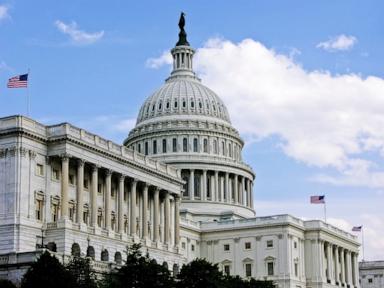
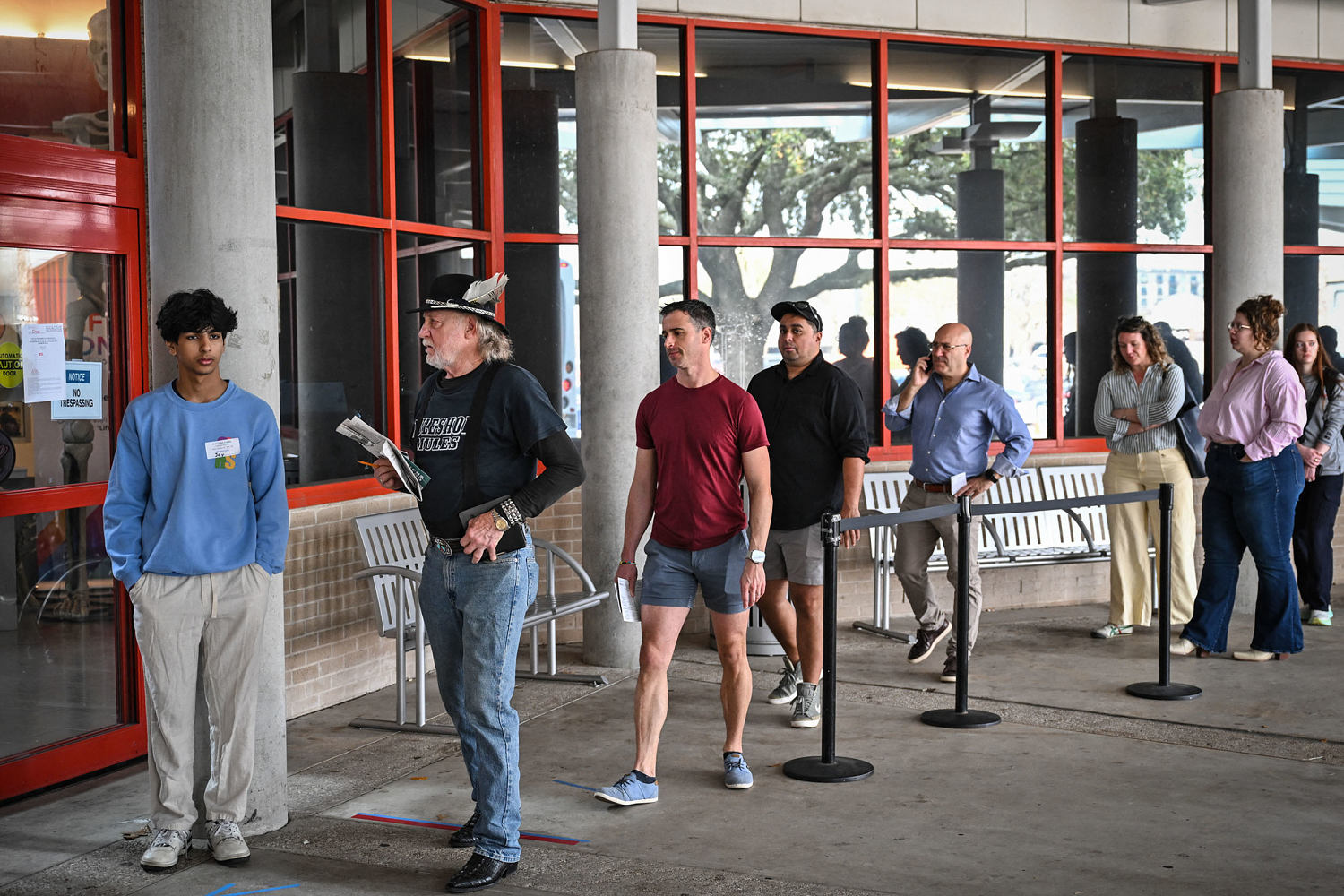
We talk about democracy as an abstract architecture. We speak of constitutions, of historic legislative battles, of midnight floor votes and marbled halls where history is supposedly written. But democracy does not live in marble. It lives in the friction between an individual and a piece of paper. It lives in the quiet, profound act of standing before a table, offering identification, and saying, I am here. Count me.
When a database chokes on its own data, that friction disappears. And with it, the voice.
Consider how the modern state operates. We have built towering monuments of data collection, vast digital clearinghouses designed to process millions of transactions per second. Yet, human error remains the sand in the gears. A software glitch, a misaligned data field, an unexpected surge in applications colliding with understaffed county election offices—these are the mundane ingredients of a crisis.
There was no grand conspiracy. No shadowy cabal sitting in a smoke-filled room plotting to silence the populace. That would almost be easier to understand. Human malice has a logic to it; we know how to fight villains with names and faces.
Instead, the enemy was something far more terrifying: systemic indifference.
The backlog grew not because anyone actively hated Maria, but because nobody was looking closely enough at the queue. Applications piled up in electronic trays, unexamined and unfulfilled, while statutory deadlines ticked downward like a time bomb. By the time the error came to light—forced into the open by public scrutiny and advocacy groups demanding answers—the damage had already begun to ripple outward.
Think about what it takes to register to vote in America. For many, it is not a casual Wednesday afternoon errand. It requires navigating complex identification requirements, finding the time between two jobs, securing childcare, or managing the quiet anxiety of institutional mistrust. When a person clears those hurdles, fills out the form, and submits it, they are extending an act of faith toward their government.
When that faith is met with a delayed slip of paper and a shrug from a help desk, something breaks.
Trust is a fragile ecological resource. Once logged, it cannot be easily replanted. Each person trapped in that backlog represents a conversation that never happened, a candidate question left unasked, a localized bond of civic belonging that snapped before it could bear weight.
Let us be entirely clear about what a backlog of tens of thousands actually means. It is not just a statistic to be parsed on evening news broadcasts or debated by talking heads with furrowed brows. It is a stadium half-filled with ghosts. It is a neighborhood where entire streets find themselves locked out of the conversation regarding their own school districts, their own tax rates, their own safety.
When the state stumbles in its most fundamental duty—guaranteeing access to the ballot—it sends a chilling message to the margins. It whispers to the weary, to the working poor, to the young person casting about for a reason to care about public life: You are optional.
The state eventually acknowledged the failure. Corrections were promised. Overtime hours were authorized. Technicians patched the code, and clerks began the grueling, manual labor of digging through the electronic drifts to unearth buried applications, one by one.
Yet, the core question remains unanswered in the wake of the cleanup.
How do we build a system that respects the urgency of a single human voice as much as it respects the efficiency of a database?
Because the tragedy of the Texas backlog is not that an error occurred. Computers glitch. Humans miscalculate. Software breaks. The true tragedy is how easily the machinery of participation can grind to a halt without anyone noticing until the silence becomes deafening.
Maria eventually got her card. It arrived two weeks before the registration cutoff, a late-breaking reprieve that felt less like a celebration and more like surviving a storm by the skin of your teeth. She taped it to her refrigerator with a small magnetic clip shaped like a sunflower.
Every time she opens the door to grab milk or pack her lunch for the shift, she sees it. She looks at her name, spelled out in black ink, and she remembers the weeks of waiting. She remembers the cold dread of wondering if her voice mattered at all.
In the end, that is what remains after the press conferences end and the software patches are deployed. Not the error codes. Not the bureaucratic apologies.
Just the quiet kitchen, the hum of the refrigerator, and the lingering realization of how close we came to losing the sound of ourselves.