The coffee in Bandar Abbas no longer tastes of cardamom and hope; it tastes of soot and metal. On the forty-third morning of a conflict that the world's mapmakers once said was impossible, the sun struggles to pierce a horizon thick with the ghost of burned crude. For those living along the narrow throat of the Strait of Hormuz, the passage of time is no longer measured by the lunar calendar or the work week. It is measured by the interval between the low-frequency hum of reconnaissance drones and the bone-shaking percussion of interceptor missiles.
War has a way of turning the monumental into the mundane. In the first week, every siren was a heart-stopping event. By day forty-three, the sound of an air raid warning is simply a signal to move the laundry inside or to finish a sentence more quickly. But beneath this thin veneer of adaptation, the stakes have shifted from the geopolitical to the visceral. This isn't just about regional hegemony or the price of a barrel of Brent crude. It is about the fundamental breaking of a global nervous system.
The Ghost Fleet and the Empty Shelf
Consider a merchant sailor named Elias. He is a hypothetical composite of the thousands currently trapped in a maritime purgatory, but his fears are grounded in the very real mechanics of naval blockades. Elias sits on a container ship anchored just outside the zone of active engagement. He watches the radar, not for storms, but for the "swarms"—the fast-attack craft and loitering munitions that have turned the world’s most vital waterway into a shooting gallery.
The statistics are sterile. They tell us that twenty percent of the world’s oil passes through this needle’s eye. They tell us that insurance premiums for tankers have climbed by five hundred percent. But the reality is the silence of the cranes in Singapore and the darkened storefronts in Rotterdam. When the Strait closes, the world doesn't just get more expensive. It slows down. It starves. The "just-in-time" delivery model of modern civilization turns out to be a fragile house of cards, and on day forty-three, the wind is blowing hard.
The US-Iran conflict has reached a stage of attrition where neither side can claim a decisive victory without inviting a total collapse of the international order. It is a stalemate written in fire. The United States maintains its carrier strike groups, floating steel cities that project an aura of invincibility. Yet, the Iranian strategy of "asymmetric friction"—using low-cost drones and sea mines—has proven that a billion-dollar destroyer can be kept at bay by a thousand-dollar piece of fiberglass.
The Digital Front and the Silent Casualty
Away from the splashing steel of the Gulf, a second war is being fought in the silence of server rooms. This is where the conflict hits home for someone who has never heard of Bandar Abbas. On day forty-three, the "cyber-kinetic" crossover is no longer a theoretical exercise for defense analysts. It is the reason the power grid in a mid-sized city in the American Midwest flickered for six hours yesterday. It is the reason a major hospital system in Shiraz is currently operating with pen and paper because their records are locked behind a wall of malicious code.
We often think of war as "over there." We watch the grainy night-vision footage and feel a detached sense of pity. But in this conflict, the front line is in your pocket. The retaliatory strikes have moved beyond military installations. They are targeting the invisible architecture of daily life: the banking switches, the water treatment sensors, and the GPS signals that keep our world synchronized.
The emotional toll of this uncertainty is a heavy fog. When you cannot trust that the ATM will give you cash, or that the traffic lights will stay green, the social contract begins to fray. The Iranian public, already weathered by years of economic isolation, now faces a double-edged sword. They are caught between a government that uses nationalistic fervor as a shield and a foreign power that views their infrastructure as a legitimate target.
The Calculus of the Unintended
What happens when a mistake becomes a mandate? On day forty-three, the greatest danger isn't a planned invasion; it is a miscommunication. In the high-stress environment of a Combat Information Center, a radar blip that is actually a civilian airliner can look remarkably like an incoming cruise missile. We have seen this tragedy before in the region’s history, and the ghost of 1988 hangs heavy over the water.
The logic of escalation is a one-way street. Once a certain threshold of blood is crossed, "proportionality" becomes a meaningless word. Each side feels a domestic pressure to "win," or at least to not appear to be losing. This creates a feedback loop where every diplomatic overture is viewed as a trap and every military pause is seen as a sign of weakness.
The human element here is the exhaustion of the decision-makers. Imagine the fatigue of a drone pilot in Nevada or a Revolutionary Guard commander in a bunker beneath the Zagros Mountains. After six weeks of high-alert status, the brain stops processing nuance. It starts seeking patterns of aggression where none may exist. It is in this state of collective sleep deprivation that the world’s most dangerous mistakes are made.
The Cost of the Long Shadow
We must talk about the displacement of the soul. In the border towns and the coastal cities, the displacement isn't always physical. Many people are still in their homes, but their lives have been evacuated of all certainty. Education has stopped. Investment has vanished. The future is a luxury that no one can afford to buy.
The regional neighbors—the UAE, Qatar, Oman—are walking a tightrope made of razor wire. Their gleaming skylines represent a bet on a stable, globalized future. Every day the conflict continues, that bet looks more like a grand delusion. They are the unwilling spectators to a duel that could set their houses on fire. The environmental impact alone—the potential for a massive oil spill in a closed sea—is a ticking clock that could destroy the desalination plants that provide life-sustaining water to millions.
The Weight of the Forty-Third Sunset
As the sun dips below the horizon on this forty-third day, the smoke from a struck refinery in the north-west drifts toward the sea. It blends with the clouds, creating a sunset of bruised purples and sickly oranges. This is the visual shorthand for the current state of the world: a beauty that is entirely toxic.
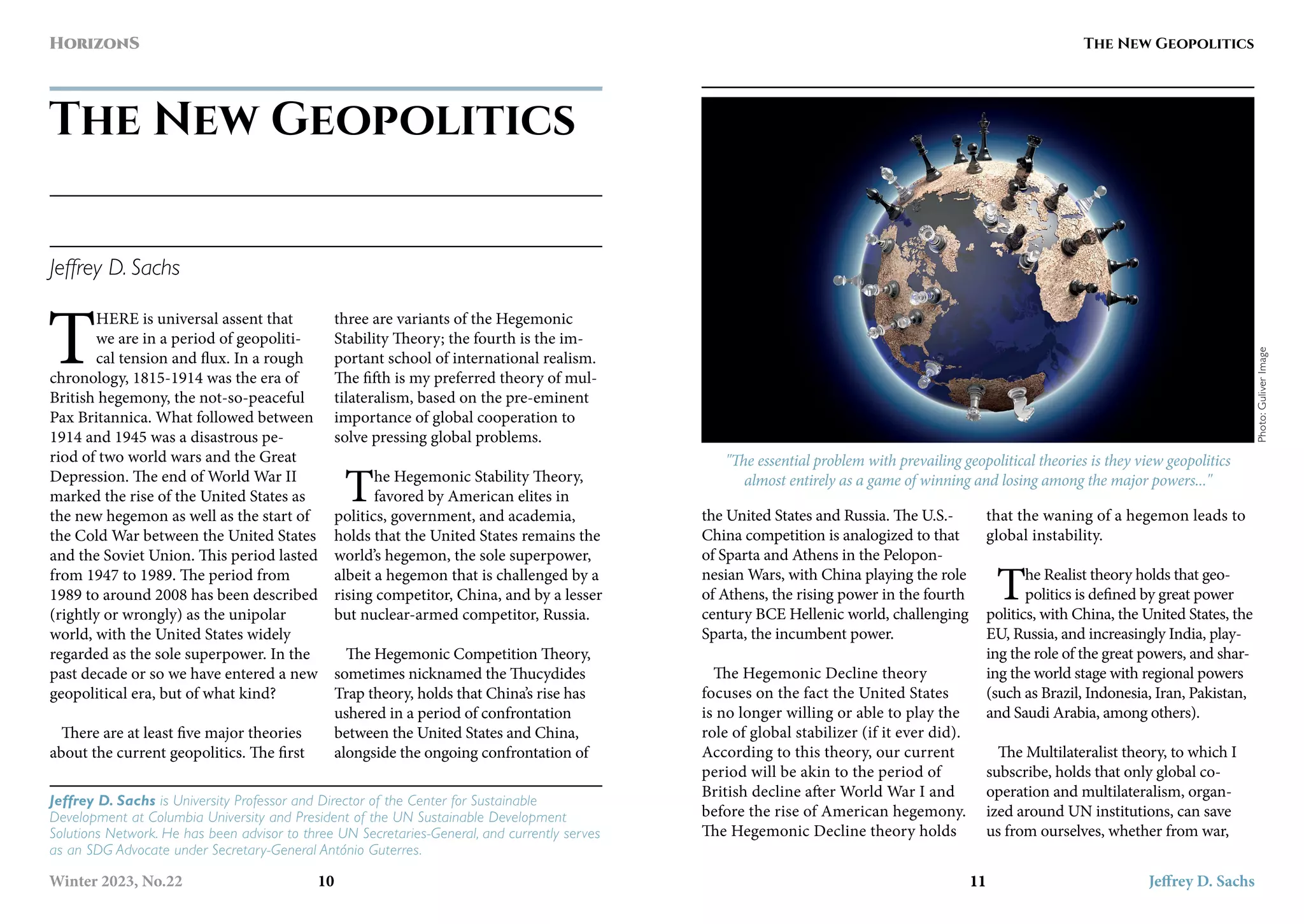
There is no easy exit ramp. The diplomatic channels are choked with the debris of broken treaties and mutual distrust. The military options have all been tested and found wanting. We are left in a space where the only thing growing is the bitterness. It is a reminder that while empires play their games of chess, the pawns are made of flesh and blood, and they are tired of being moved.
The silence that follows an explosion is often more terrifying than the blast itself. It is a hollow space where the world waits to see if the next sound will be a voice of reason or the roar of a thousand more engines. On day forty-three, that silence is deafening. It stretches across the desert, over the mountains, and into the homes of people who just want to wake up in a world where the sky is blue and the coffee is sweet again.
The tally of the day is not found in the number of missiles launched or the territory gained. It is found in the eyes of a mother in Tehran holding her child a little too tightly, and a father in Florida staring at a rising gas price that represents the crumbling of his family's monthly budget. The war has moved inside us. It has become a permanent resident in our collective anxiety, a shadow that refuses to shorten even as the day ends.
A single, white bird flies over the harbor of Bushehr, oblivious to the radar arrays tracking its every movement. It lands on a rusted pier, pecks at a piece of discarded plastic, and takes flight again. It is the only thing in the Gulf that is truly free, a reminder of a world that existed forty-four days ago, a world that currently feels like a half-remembered dream.