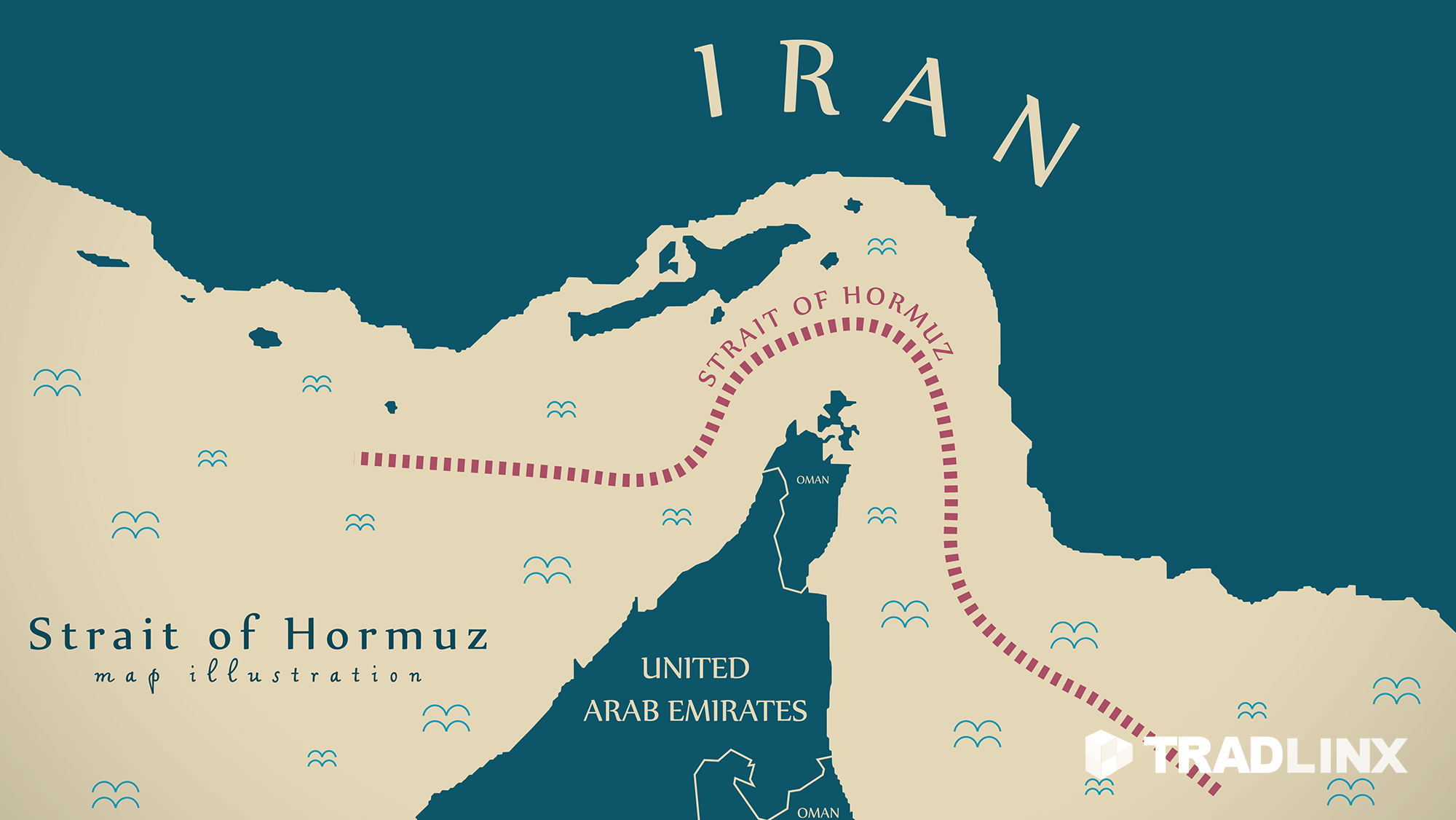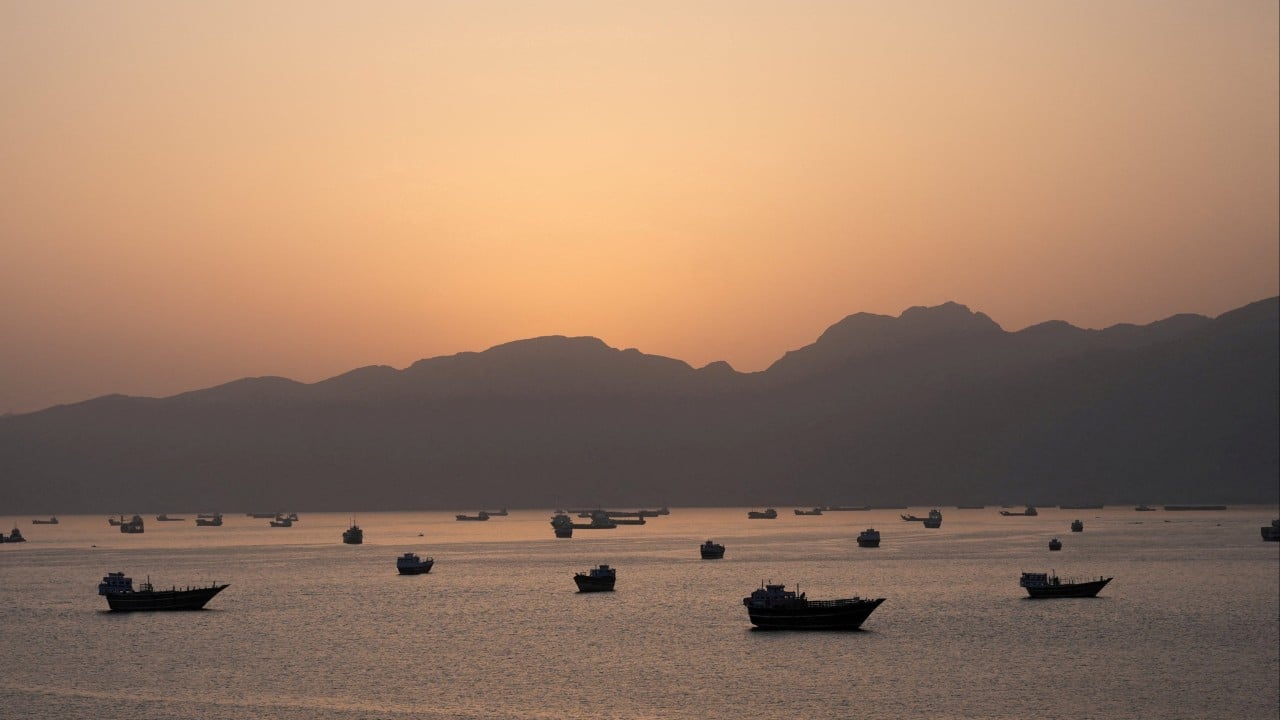
The maritime world breathed a collective, if premature, sigh of relief this morning. Reports of a ceasefire in the Strait of Hormuz have sent crude oil futures into a slight dip, easing the immediate panic that had gripped global energy markets for the past seventy-two hours. While the guns have gone quiet for the moment, the underlying mechanics of this conflict remain entirely unresolved. This isn’t a peace treaty. It is a tactical pause. For the shipping conglomerates and energy ministers currently checking their tickers, the reality is that the world’s most significant chokepoint remains a hair-trigger away from a total blockade.
The overnight lull followed a series of high-stakes diplomatic back-channelings, primarily mediated through regional intermediaries. These talks aimed to halt the escalating cycle of tanker seizures and drone provocations that had pushed insurance premiums for maritime transit to record highs. However, anyone who has spent time analyzing Persian Gulf geopolitics knows that a ceasefire in these waters often serves a specific purpose for the aggressor. It allows for the repositioning of assets, the replenishment of coastal batteries, and a reassessment of how much pressure the global economy can actually withstand before it snaps.
The Economics of a Chokepoint
To understand why this "glimmer of hope" is so thin, one must look at the cold math of the Strait. Roughly twenty percent of the world’s total petroleum consumption passes through this narrow stretch of water. It is twenty-one miles wide at its narrowest point, but the actual shipping lanes—the deep-water paths capable of carrying Very Large Crude Carriers—are only two miles wide in each direction.
When a conflict flares up here, it doesn't just impact the local players. It hits the manufacturing hubs in Shenzhen, the heating bills in Berlin, and the gas stations in Ohio. The overnight ceasefire was less about a sudden desire for harmony and more about the realization that an uncontrolled spike in oil prices would trigger a global recession that serves no one's long-term interests. Not even those currently rattling the saber.
The shipping industry operates on thin margins and heavy risks. When a state actor proves they can effectively close the "toll booth" of global energy, the market reacts with violence. Even with the current pause in hostilities, Lloyd’s of London and other major insurers are unlikely to drop their "war risk" surcharges anytime soon. They know that a ceasefire without a structural change in regional security is merely a delay.
Hidden Players and Proxies
Standard reporting focuses on the visible actors—the destroyers and the speedboats. But the real story lies in the shadow fleet and the proxy networks that operate just outside the reach of international maritime law. During the quiet hours of the night, while the ceasefire supposedly held, satellite imagery suggested a continued movement of unmarked vessels.
These ships are the lifeblood of the regional tension. They operate with transponders turned off, frequently changing flags and owners to bypass sanctions and move "grey market" oil. The ceasefire gives these entities a window to clear out backlogged cargo while the world’s attention is diverted by headlines of "peace."
The Proxy Gambit
We have seen this pattern before. A direct confrontation is replaced by "plausible deniability" operations. Limpet mines, cyber-attacks on port infrastructure, and GPS jamming are the tools of a modern maritime standoff. These methods allow a nation to exert pressure without technically breaking a ceasefire agreement. For the crew of a three-hundred-thousand-ton tanker, a cyber-attack that disables their steering is just as dangerous as a missile, but far more difficult for a diplomat to use as a casus belli.
The Failure of International Maritime Escorts
The recent escalation proved a hard truth that many naval planners were reluctant to admit. The current international coalition tasked with protecting merchant shipping is overstretched and under-equipped for the scale of the threat. Protecting a single vessel is easy. Protecting a continuous stream of hundreds of ships against a swarm of low-cost drones and shore-based missiles is a logistical nightmare.
Governments have spent decades building billion-dollar platforms—massive carriers and sophisticated destroyers. Yet, the primary threat in the Strait of Hormuz comes from "asymmetric" warfare. A five-thousand-dollar suicide drone can effectively neutralize a billion-dollar ship if it hits the right spot. The ceasefire provides a momentary reprieve, but it does not address the fact that the defensive shield currently over the Strait is riddled with holes.
The Intelligence Gap
One of the most overlooked factors in the overnight developments is the role of electronic warfare. Signals intelligence suggests that both sides utilized the period leading up to the ceasefire to test the electronic signatures of their opponents' radar and communication systems. This wasn't just a standoff; it was a massive data-collection exercise.
By backing off now, the aggressors have successfully mapped out the response times and radio frequencies of the patrolling naval forces. They have seen how the international community coordinates—or fails to coordinate—its defense of the shipping lanes. They now possess a playbook for the next time they decide to turn the pressure back up. This intelligence is often worth more than a few seized tankers.
Supply Chain Vulnerabilities
While the news cycles focus on the military aspect, the logistical fallout is far more grounded. Port congestion in the region is at an all-time high. Because of the recent tensions, many ships were diverted or told to "hover" in the Arabian Sea. This has created a massive backlog that will take weeks to clear, even if the ceasefire holds indefinitely.
- Insurance Costs: Premiums have spiked by nearly 400% in some sectors.
- Fuel Surcharges: Shipping companies are passing the cost of longer routes and higher risks directly to the consumer.
- Crew Welfare: The psychological toll on merchant sailors is reaching a breaking point, leading to a potential labor crisis in the maritime industry.
The Myth of Energy Independence
There is a persistent narrative that certain Western nations are immune to these tensions because they have increased domestic production. This is a fundamental misunderstanding of how the global oil market functions. Oil is a fungible commodity. Even if a country doesn't buy a single drop of Persian Gulf crude, it still pays the price set by the global market.
If the Strait of Hormuz closes, the global supply drops by 20 million barrels a day. The price of oil would skyrocket globally, regardless of where it was pumped out of the ground. This interdependence is why the ceasefire is being hailed as a victory, even though it solves none of the political disputes that caused the flare-up in the first place.
The Mirage of Diplomacy
Diplomats are currently patting themselves on the back for "de-escalating" the situation. But history shows that de-escalation in the Persian Gulf is often just a return to the status quo of "simmering hostility." The core grievances—sanctions, nuclear ambitions, and regional hegemony—remain untouched.
A ceasefire that ignores the root cause is like putting a bandage on a gunshot wound and calling it a recovery. The international community is treating the symptom (the shipping attacks) while ignoring the disease (the collapse of regional security frameworks). Without a comprehensive agreement that addresses the underlying political friction, we are simply waiting for the next spark to ignite the powder keg.
What the Ceasefire Missed
Notice what was not mentioned in the overnight reports. There was no talk of a permanent maritime security zone. There was no agreement on the release of previously seized vessels. There was no commitment to stop the proliferation of sea-skimming missiles in the hands of non-state actors.
What we saw was a mutual agreement to stop punching each other for a few hours. That is not a policy. It is a timeout.
Hardware vs. Intent
The naval assets currently in the region are some of the most advanced in human history. We see AEGIS combat systems, stealth frigates, and nuclear-powered submarines. But hardware is irrelevant if the political will to use it is absent. The aggressors in the Hormuz crisis understand this perfectly. They know that Western democracies are incredibly sensitive to the optics of a full-scale naval war and even more sensitive to the economic fallout of such a conflict.
The ceasefire allows the world to look away. It allows politicians to claim a win and return their focus to domestic issues. Meanwhile, the mines remain in the water, the drones remain in their crates, and the underlying tensions continue to boil just beneath the surface of the emerald-green waters.
The Strategic Pivot
While the West focuses on the immediate threat to the oil supply, other global powers are using this instability to justify a long-term strategic pivot. There is an increasing push for land-based pipelines and alternative trade routes that bypass the Strait entirely. These projects are incredibly expensive and take decades to complete, but every time a crisis like this happens, the "Hormuz bypass" becomes more economically viable.
The real losers in this cycle are the coastal states whose economies depend entirely on the safe transit of the Strait. They are being held hostage by a conflict they cannot control, forced to watch as their primary source of income is treated as a bargaining chip in a high-stakes game of geopolitical poker.
The ceasefire might hold for a day, a week, or a month. But as long as the world’s energy heart remains connected to such a volatile artery, the "glimmer of hope" will always be overshadowed by the reality of the next inevitable escalation. The tankers are moving again, but the crews are still sleeping in their life jackets. Stop looking at the headlines and start looking at the maps; the lines of conflict haven't moved an inch.