Ink on paper. That is how peace always begins.
In air-conditioned rooms thousands of miles away, diplomats shake hands. They smile for the cameras. They sign documents that dictate where armies can walk, where artillery can point, and where quiet is supposed to reign. For a brief moment, the world breathes out. People return to their homes. They sweep away the glass. They hang laundry on lines that were recently severed by shrapnel. In similar developments, we also covered: Inside the Massive Price Tag of PM Modi Overseas Trips.
They call it a truce.
(Note: The following reconstruction of the operational environment is based on official military disclosures and frontline reporting following the November 2024 ceasefire agreement.) The Guardian has provided coverage on this fascinating issue in extensive detail.
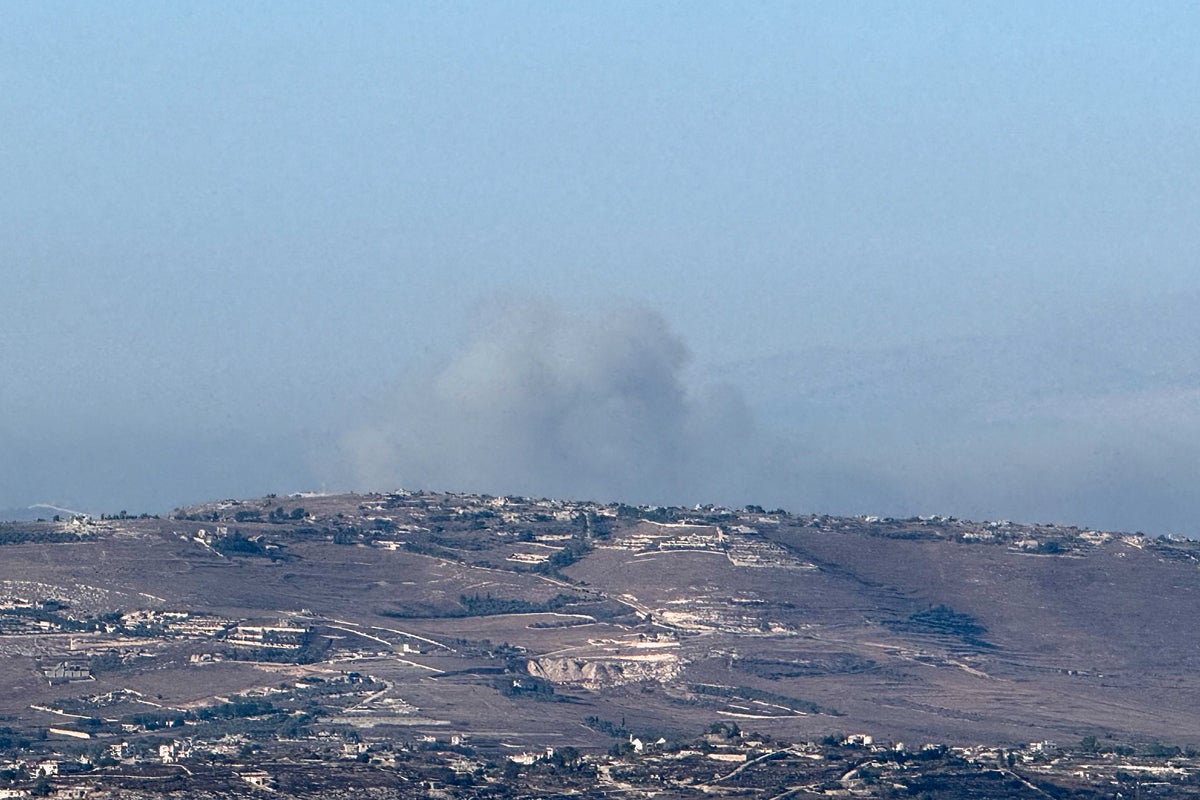
Dawn in southern Lebanon does not arrive gently. It burns through the mist, illuminating hillsides carved by ancient olive groves and modern concrete bunkers. For weeks, the air had lost its familiar, terrifying rhythm. No shrieks of incoming rockets. No thunder of counter-batteries. The ceasefire held. It held on maps. It held in news tickers running at the bottom of television screens in Tel Aviv and Beirut.
Then came the explosion.
Two lives, extinguished in an instant. Two Israeli soldiers, navigating a landscape that had supposedly transitioned from active combat to watchful waiting, became the first casualties recorded since the fragile agreement took effect.
Consider what happens next: a statistic is born.
To the world, they are numbers in a casualty report. A headline on a morning commute. But behind every military designation lies a universe of ordinary moments. The weight of a heavy pack on a dusty road. The taste of lukewarm water from a canteen. The quiet thought of home, whispered into the static of a radio transceiver while the Mediterranean wind rustled through dry scrub.
War does not end when a document is signed. It lingers. It haunts the soil.
Southern Lebanon is a checkerboard of visible ruin and invisible peril. During months of intense artillery exchanges and close-quarters combat, thousands of ordnance pieces were fired, dropped, or emplaced. Not all of them obeyed their programmers. Some lay dormant beneath the topsoil, waiting.
Unexploded ordnance is a silent architect of tragedy. It does not care about ceasefires. It does not read diplomatic cables. It waits with absolute, mechanical patience for a footstep, a disturbance in the dirt, a change in temperature. When two soldiers stepped into that specific sector, they were operating under the assumption that the deadliest phase of their deployment was history. They were wrong.
The military announcement came later that day, stripped of emotion, heavy with the solemnity required by institutional grief. Words like "incident," "investigation," and "protocol" filled the official statements. Yet, beneath the bureaucratic veneer, a fundamental truth fractured: ceasefires are not peace. They are merely a pause in the noise.
I remember the heavy silence that follows an explosion. It is a suffocating thing. The birds stop singing. The wind seems to hold its breath. In that sudden vacuum, reality rushes back in. The fragile architecture of hope, built over weeks of tense negotiations, crumbles into fine gray dust.
How quickly a fragile equilibrium shatters.
For the families waking up to soldiers at their door, the macro-politics of the Middle East shrink down to a terrifying point of agony. They do not care about the geopolitical leverage gained or lost in Geneva or Washington. They care about a bed that will remain empty tonight. They care about a voice they will never hear again.
The Hezbollah truce was designed to offer an off-ramp. It was meant to de-escalate a regional conflagration that threatened to consume everything in its path. But borders drawn on maps cannot easily untangle decades of mutual suspicion, embedded infrastructure, and lingering munitions. Every ruined village in southern Lebanon, every scarred hillside in northern Israel, remains a monument to an unresolved friction.
When the smoke cleared from the blast site, the patrols resumed. Other soldiers stepped into the same boots, walked the same precarious paths, and looked out over the same contested valleys. The machinery of state security grinds forward, indifferent to the heartbreak it leaves in its wake.
The truce endures, technically. The diplomatic channels remain open. But ask anyone standing near that crater in southern Lebanon if the war is over.
They will point to the ground beneath your feet. They will tell you to watch your step. And they will listen, with a quiet, lingering dread, for the next silence to break.