When a diagnosis of acute myeloid leukemia hits, time stops. It is a relentless, aggressive blood cancer that leaves zero room for hesitation. Back in 2020, patients facing this exact reality navigated a maze of standard chemotherapy and hope. Today, a specialized clinical program pioneered in Canada's Maritime provinces is rewriting that script entirely, shifting oncology from a blunt instrument into targeted science.
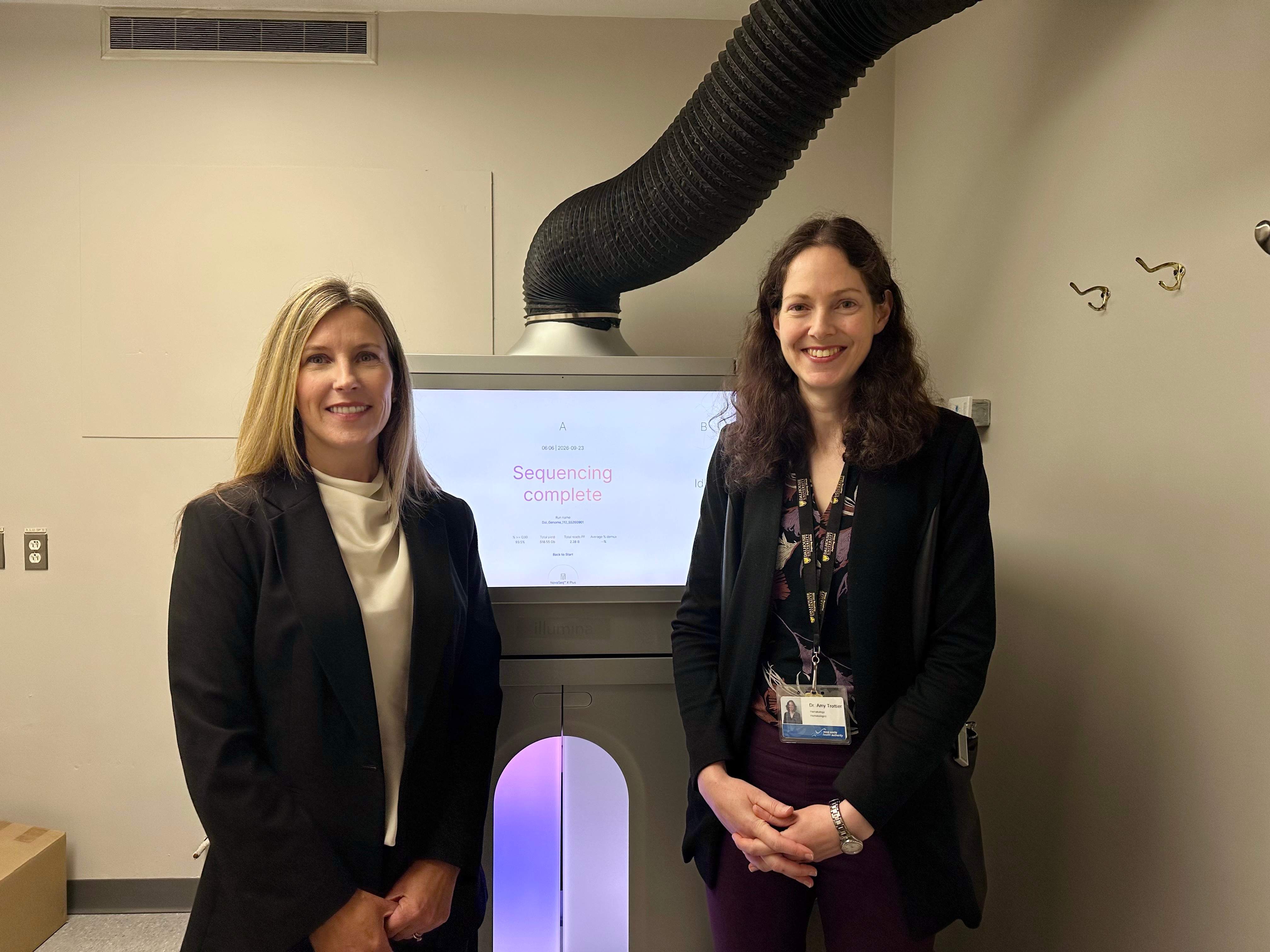
Led by medical innovators like hematologist Dr. Amy Trottier, the region has birthed Canada's first clinical program focused squarely on hereditary myeloid malignancies. It is not just another theoretical research paper gathering dust in a university database. This initiative is actively altering surgical plans, sparing families from avoidable tragedy, and directly saving lives in real time.
The Real Cost of Missing the Genetic Marker
Standard cancer care historically treated the tumor type rather than the patient's specific genomic blueprint. If you had leukemia, you got the leukemia protocol. If it failed, you moved to the next aggressive tier.
That approach changes entirely when hereditary genetic testing enters the room early.
Consider what happened with a patient named White, whose leukemia returned after initial remission. He prepared for the grueling next step: a bone marrow transplant. His medical team initially lined up a sibling as a seemingly perfect, matching donor. Standard blood tests and tissue typing cleared them.
Then the specialized hereditary genetic test results arrived from the precision medicine program.
The sequencing revealed a hidden genetic predisposition for developing leukemia within that exact sibling. Proceeding with the transplant using that donor tissue would have introduced catastrophic risks. The team ruled out the sibling immediately, pivoting the treatment strategy. That single genetic report stopped a potential disaster before it started.
How Precision Oncology Works on the Ground
Precision medicine sounds great in corporate healthcare brochures, but execution is messy. In Atlantic Canada, integrating genomics into day-to-day hospital workflows required tearing down old operational silos.
The process relies on multi-disciplinary coordination:
- Identifying high-risk family patterns and early-onset presentations.
- Running targeted panels to spot hereditary markers before stem cell harvesting.
- Aligning transplant protocols with molecular safety profiles rather than just physical tissue matches.
Most hospitals treat genetic insights as an afterthought or a post-treatment audit. Maritime oncologists flipped the timeline. They use genetic screening as an upfront gatekeeper for major interventions like bone marrow transplants. If you don't screen the donor's underlying genomic risk, you're rolling dice with a patient's immune system.
Scaling Beyond the Maritimes
The impact of what started down east is rippling outward. Canada's broader healthcare network has struggled with regional disparities in genomic access. While major urban centers in Ontario or British Columbia have large academic testing hubs, smaller provinces often get left behind.
Programs pioneered in the Maritimes prove that geographic size doesn't dictate clinical excellence. By focusing heavily on regional collaboration—such as the Atlantic Cancer Consortium tied into nationwide initiatives like the Marathon of Hope—researchers are building frameworks that other rural and mid-sized healthcare jurisdictions can copy.
You don't need a multi-billion-dollar metropolis to pioneer smart medicine. You need clear clinical focus, willing donors, and doctors who refuse to accept blanket treatment protocols that ignore a patient's DNA.
What Patients and Families Should Know
If you or someone in your family faces a sudden, aggressive blood cancer or has a dense history of early-onset malignancies, you need to ask uncomfortable questions. Don't assume genetic screening happens automatically.
Ask your oncologist directly whether hereditary panels are part of the initial workup. Find out if your transplant center screens donors for genetic predispositions beyond basic tissue matching. The technology exists, and as Maritime clinics demonstrate, it stops dangerous oversights cold.
Advocate for your own genomic data early. It remains the sharpest tool available in modern oncology.