The neon glare of Tokyo’s Shibuya crossing reflects off a puddle, mirroring a thousand shifting faces. Six thousand kilometers away, the humid air of a Jakarta cafe hangs heavy with the scent of clove cigarettes and freshly brewed kopi luwak. At a corner table, a twenty-four-year-old software engineer named Adi stares at his laptop screen. He isn't looking at code. He is looking at a one-way flight itinerary to Japan.
Adi is not a real person, but he represents a very real, massive seismic shift. He is the composite of millions of young professionals across Southeast Asia who are actively rewriting the economic and cultural map of the world. For decades, the global narrative about Southeast Asia—a region of over 680 million people encompassing powerhouse nations like Indonesia, Vietnam, the Philippines, Thailand, and Malaysia—was written by outsiders. It was viewed as a source of cheap labor, a backpacking paradise, or an emerging market to be exploited.
That old story is dead.
Today, a new generation of Southeast Asians is doing the choosing. They possess disposable income, high-value skills, and an unprecedented global perspective. Where they want to spend their vacations, where they want to build their careers, and where they ultimately dream of planting roots is reshaping global aviation, international real estate, and the global war for talent.
When you look past the dry spreadsheets of tourism boards and labor statistics, you find something far more potent. Desire.
The Magnetism of the East
For a long time, the conventional wisdom suggested that the ultimate dream for any ambitious youth in Manila or Ho Chi Minh City was a golden ticket to the West. The glittering spires of London, the tech hubs of Silicon Valley, or the romantic avenues of Paris were thought to hold an monopoly on aspiration.
The data tells a completely different story.
The West is losing its grip on the Southeast Asian imagination. Instead, the collective gaze of the region has turned sharply, decisively, toward East Asia. Japan and South Korea are no longer just places on a map; they are the twin centers of gravity for regional desire.
Consider the annual travel surveys and immigration data emerging from the ASEAN bloc. When asked where they would go tomorrow if money were no object, an overwhelming majority of respondents from Singapore, Malaysia, and Thailand don't name European capitals. They name Tokyo, Osaka, and Seoul.
Why? The answer is a complex cocktail of proximity, cultural soft power, and a deep-seated perception of safety and order.
To understand this, look at the phenomenon through the lens of cultural consumption. A teenager in Jakarta grows up eating ramen, watching anime, and listening to K-pop. By the time they reach adulthood and earn their first significant paycheck, their cultural compass is already locked onto East Asia. The Western world feels distant, fractured, and increasingly unwelcoming. East Asia feels aspirational yet accessible.
But it goes deeper than vacation selfies under cherry blossoms. This preference ripples into the corporate world. Major Japanese and South Korean conglomerates have spent decades embedding themselves in the infrastructure of Southeast Asia. From the cars driving down the streets of Bangkok to the smartphones in every hand in Hanoi, the physical reality of these East Asian giants is ubiquitous. This creates a powerful sense of familiarity and trust. When a young professional thinks about working abroad, a Tokyo high-rise feels like a natural step up, rather than a terrifying leap into the unknown.
The Tug of War Closer to Home
While East Asia captures the imagination of those looking far afield, an equally fierce migration of talent and capital is happening within Southeast Asia’s own borders. The region is not a monolith. It is a hyper-competitive ecosystem where cities are constantly vying to become the ultimate destination for the region's brightest minds.
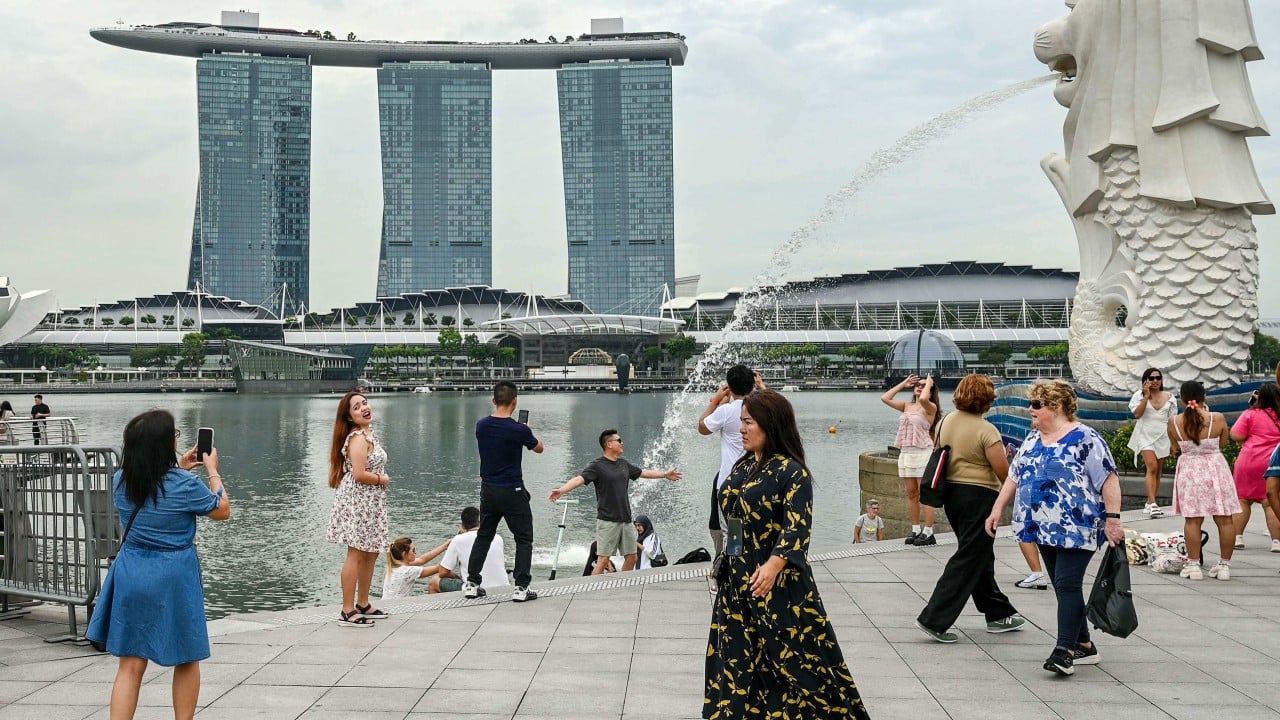
Singapore remains the undisputed fortress.
For a professional in Jakarta or Manila, Singapore represents the pinnacle of professional validation. It is the hyper-efficient, gleaming city-state where the currency is strong, the infrastructure functions flawlessly, and the global corporate headquarters reside. It is the place you go to test your limits against the best in the world.
Yet, the glittering facade of Singapore carries an invisible, crushing weight.
The cost of living has skyrocketed. Rent in the city-state is a monster that devours paychecks. For many young Southeast Asians, the dream of Singapore has transformed from a permanent haven into a high-intensity boot camp. They go for three, five, or seven years. They endure the relentless pace and the claustrophobic density, accumulate wealth and prestige, and then they look for the exit.
The destination for that exit is shifting.
Malaysia, particularly Kuala Lumpur, has quietly emerged as the dark horse of regional migration. It offers a seductive compromise. It possesses the modern infrastructure, the English proficiency, and the economic stability that professionals crave, but at a fraction of Singapore’s cost. A dollar goes further. The apartments are larger. The food culture is legendary and deeply familiar to fellow Southeast Asians.
We see a fascinating pattern emerging: Singapore is where you go to make your fortune, but Malaysia or Thailand is where you go to live.
The Digital Nomad Illusion and the Reality of Remote Work
No discussion of where Southeast Asians want to live and work can ignore the massive, post-pandemic shift toward geographic independence. The rise of Bali, Chiang Mai, and Da Nang as global hubs for remote work is well-documented. But look closer at who is occupying those beachside cafes.
It is no longer just Westerners fleeing gray winters. It is a burgeoning class of domestic and regional digital nomads.
A young graphic designer from Manila no longer needs to endure the city’s legendary, soul-crushing traffic gridlock for three hours a day just to sit in an office cube. They can take their laptop to Siargao or Boracay. This internal migration is changing the economic fabric of these nations, distributing wealth away from choked mega-cities and into provincial coastal towns.
However, this shift has exposed a painful friction point: the tyranny of the passport.
While a passport holder from Germany or the United States can hop across Southeast Asian borders with effortless ease, a citizen of Vietnam or the Philippines faces a bureaucratic nightmare of visas, financial declarations, and invasive questioning at immigration counters. The desire to travel and work fluidly across borders exists, but the geopolitical reality remains a stubborn barrier.
This creates a deep sense of frustration. The regional youth are digitally connected to the entire globe, consuming the same media and possessing the same skills as their Western peers, yet they remain physically tethered by the random luck of their birthplace.
The Changing Definition of Success
To truly comprehend these shifting patterns of movement, we have to look at how the definition of a successful life is mutating within Southeast Asia.
The older generation—the parents of today’s twenty- and thirty-somethings—valued stability above all else. Success meant securing a job at a state-owned enterprise, a traditional bank, or a government ministry. It meant buying a house in the suburbs and staying put. It was a philosophy forged in times of economic volatility and political transition.
Their children view the world through a radically different lens.
For them, stability is an illusion. They have witnessed economic crises, global pandemics, and the rapid obsolescence of industries driven by technology. In response, they have adopted mobility as their ultimate shield and currency. They don't want to own a house that locks them into a thirty-year mortgage in a sinking city. They want the agility to move where the opportunity is, where the air is cleaner, and where their lifestyle can match their ambitions.
This explains the immense popularity of Thailand among regional travelers and prospective residents. Thailand has mastered the art of lifestyle curation. It offers medical tourism that rivals the West, a hospitality sector that is arguably the best in the world, and a cultural openness that makes outsiders feel instantly at peace. It represents the ultimate consumer playground for a rising middle class.
The Stakes for the Future
What happens when a region’s most ambitious people collectively decide where they want to be? The consequences are already reverberating through the halls of power and the boardrooms of multinational corporations.
Nations that fail to recognize this shift are facing a silent, catastrophic drain of intellect and energy. The Philippines, for instance, has long been an exporter of talent, sending its nurses, engineers, and sailors across the globe. But as the domestic economy grows and new regional hubs emerge, the country faces the urgent challenge of making staying home—or returning home—more attractive than leaving.
Conversely, the destinations that understand this longing are thriving. Japan, facing a dire demographic crisis with an aging and shrinking population, has begun systematically easing visa restrictions for skilled workers and digital nomads from Southeast Asia. They realize that the survival of their economy depends on attracting the very energy that is currently bubbling over in the streets of Jakarta, Manila, and Bangkok.
The world is witnessing a profound reversal of flow. The historical currents that once pulled resources and people from East to West are twisting, looping back on themselves, and centering on a dynamic, interconnected Asian corridor.
Back in the Jakarta cafe, Adi clicks a button. The screen flashes with a confirmation code. The flight is booked. He takes a slow sip of his cooling coffee, looks out at the chaotic, roaring, beautiful mess of his home city, and smiles. He isn't running away from something. He is running toward a future he chose for himself.