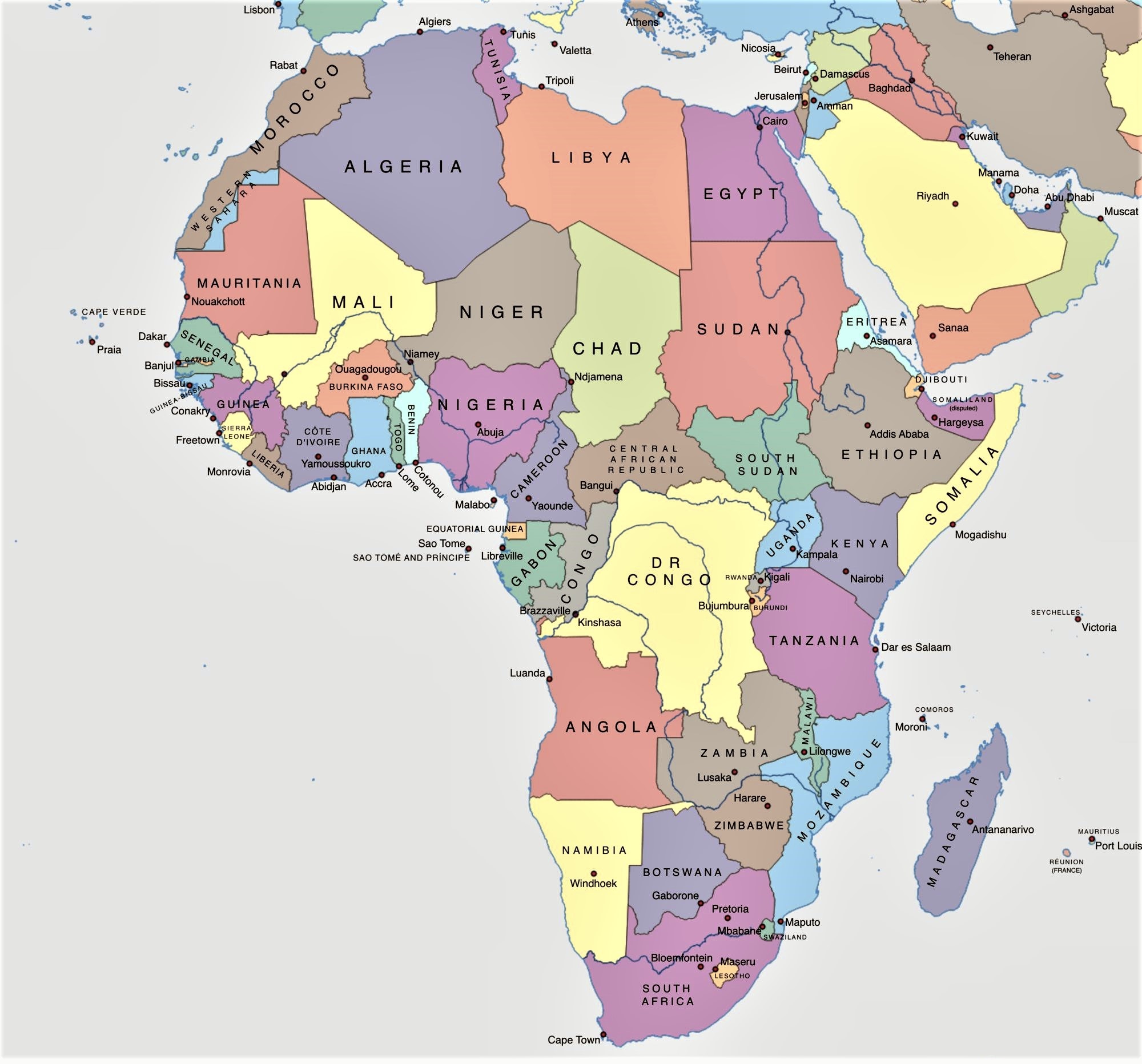
Baghdad's strategic doctrine rests on a critical paradox: its political survival requires maintaining strict institutional neutrality between Washington and Tehran, yet its operational mechanics remain structurally bound to both. Iraqi Prime Minister Ali al-Zaidi's visit to Tehran—coming directly on the heels of a high-stakes delegation to Washington where 48 commercial and energy agreements were signed—is not merely routine diplomatic posturing. It represents an active attempt to recalculate Iraq's geopolitics under extreme economic and security friction.
Understanding whether Baghdad can redefine its relationship with Tehran requires moving past vague notions of "diplomatic balancing" and examining the three concrete structural ties that bind the two nations: economic dependency, military decentralization, and infrastructure exposure.
The Tri-Pillar Matrix of Vulnerability
The bilateral relationship between Iraq and Iran operates across three core vectors. Each vector imposes a specific cost on Iraqi sovereignty while offering immediate operational stability that Baghdad cannot substitute elsewhere.
1. Energy Asymmetry and Financial Interdependence
Iraq relies heavily on Iranian natural gas imports to generate roughly 30% to 40% of its domestic electricity grid. This physical dependency creates a recurring structural crisis:
- The Dollar Clearing Mechanism: Sanctions on the Central Bank of Iran prevent direct U.S. dollar transfers from Baghdad to Tehran. Iraq holds billions of dollars in escrow accounts at the Trade Bank of Iraq (TBI), which can only be cleared for non-sanctioned humanitarian goods.
- Gas-for-Oil Swaps: To bypass monetary clearing bottlenecks, Baghdad established direct barter arrangements, exchanging Iraqi crude and fuel oil for Iranian gas.
- Waiver Reliance: Baghdad remains structurally vulnerable to U.S. State Department sanction waivers. Shortened waiver windows directly decrease Iraq’s energy security, creating instantaneous power shortages that historically trigger domestic civil unrest.
2. Security Dualism and the Monopoly on Violence
The integration of the Popular Mobilization Forces (PMF)—an umbrella of paramilitary units, many with direct ideological and command links to Tehran—into the state payroll creates a dual-sovereignty dilemma:
- Fiscal Integration Without Tactical Control: The Iraqi state funds PMF operational budgets, yet tactical command lines frequently bypass the Iraqi Prime Minister’s office during regional escalations.
- Escalation Asymmetry: When asymmetric skirmishes occur between regional actors or Western forces, the physical retaliations take place on Iraqi soil, directly degrading state authority and municipal infrastructure.
3. Supply-Chain Exposure and Geographical Bottlenecks
Iraq relies on maritime transit through the Strait of Hormuz for approximately 90% of its crude oil export volume. Regional maritime tensions or choke-point closures immediately threaten Iraq's primary revenue stream, creating an existential fiscal deficit within weeks.
The Strategic Cost Function of the Double-Sided Policy
Baghdad’s attempt to play a neutral intermediary role is bound by clear economic and political limits.
| Vector | Washington Alliance | Tehran Alignment | Operational Bottleneck |
|---|---|---|---|
| Energy Grid | Capital investments & rehabilitation contracts (e.g., U.S. energy deals) | Immediate feedstock supply (natural gas and direct power imports) | Grid failure occurs instantly if gas flows drop before long-term infrastructure matures. |
| Monetary Liquidity | Federal Reserve clearance of foreign exchange reserves | Cross-border trade settlements & informal liquidity mechanisms | Misalignment risks sanctions on Iraqi commercial banking sectors. |
| Domestic Security | Counter-terrorism intelligence & air support agreements | Security integration via political factions & PMF alignment | Unilateral factional strikes compromise federal command legitimacy. |
This structural matrix shows why complete decoupling from Tehran is impossible in the medium term. The cost function of replacing Iranian gas imports with domestic infrastructure requires years of capital investment, gas-flare capture projects, and grid modernization. Until those assets come online, every move toward Western economic integration must be balanced by immediate diplomatic risk-management in Tehran.
Mechanics of Escalation Management
When Baghdad attempts to defuse regional tensions, it operates not as a sovereign superpower, but as a risk-mitigation layer trying to prevent local spillover.
The structural risk for Baghdad follows a predictable sequence:
- Regional Friction Escalates: Tensions rise across the Persian Gulf or Middle Eastern maritime corridors.
- Proxies Mobilize: Non-state actors launch asymmetric operations from or within Iraqi territory.
- Sovereignty Compression: External forces strike targets inside Iraq, eroding federal authority and political legitimacy.
- Economic Contraction: International investment freezes, insurance premiums on Iraqi crude exports surge, and energy import pipelines face sudden disruptions.
To break this loop, Prime Minister al-Zaidi's strategic priority in Tehran is not to dictate terms, but to secure explicit commitments that protect Iraqi sovereign space from becoming a collateral battleground.
Strategic Action Plan for Iraqi Sovereign Autonomy
If Baghdad intends to transition from a vulnerable intermediary to a resilient sovereign state, it must execute a phased economic and infrastructure program.
Step 1: Execute Accelerated Gas-Flare Capture Projects
Eliminate energy import vulnerabilities by fully capturing natural gas flared from domestic southern fields (such as Rumaila and West Qurna). Redirecting this wasted resource into domestic power plants permanently reduces structural dependency on Iranian gas pipelines.
Step 2: Diversify Maritime Export Corridors
Execute crude pipeline rehabilitation projects—such as the Kirkuk-Baniyas line through Syria or expanded northern export channels through Turkey—to reduce economic exposure to single choke-points like the Strait of Hormuz.
Step 3: Implement Institutional Sovereign Fiscal Controls
Enforce strict compliance auditing within the Central Bank of Iraq and commercial banking networks to secure continuous access to international dollar clearing clearinghouses while maintaining transparent, legitimate cross-border trade mechanisms.
Step 4: Codify Federal Command Frameworks
Establish legally binding administrative controls over all state-salaried security personnel, ensuring that military equipment, intelligence sharing, and strategic deployments remain exclusively accountable to the Commander-in-Chief of the Iraqi Armed Forces.
Baghdad's strategic leverage will not be achieved through diplomatic messaging alone. Sovereign autonomy will be realized only when domestic infrastructure resilience eliminates the structural cost of external reliance.