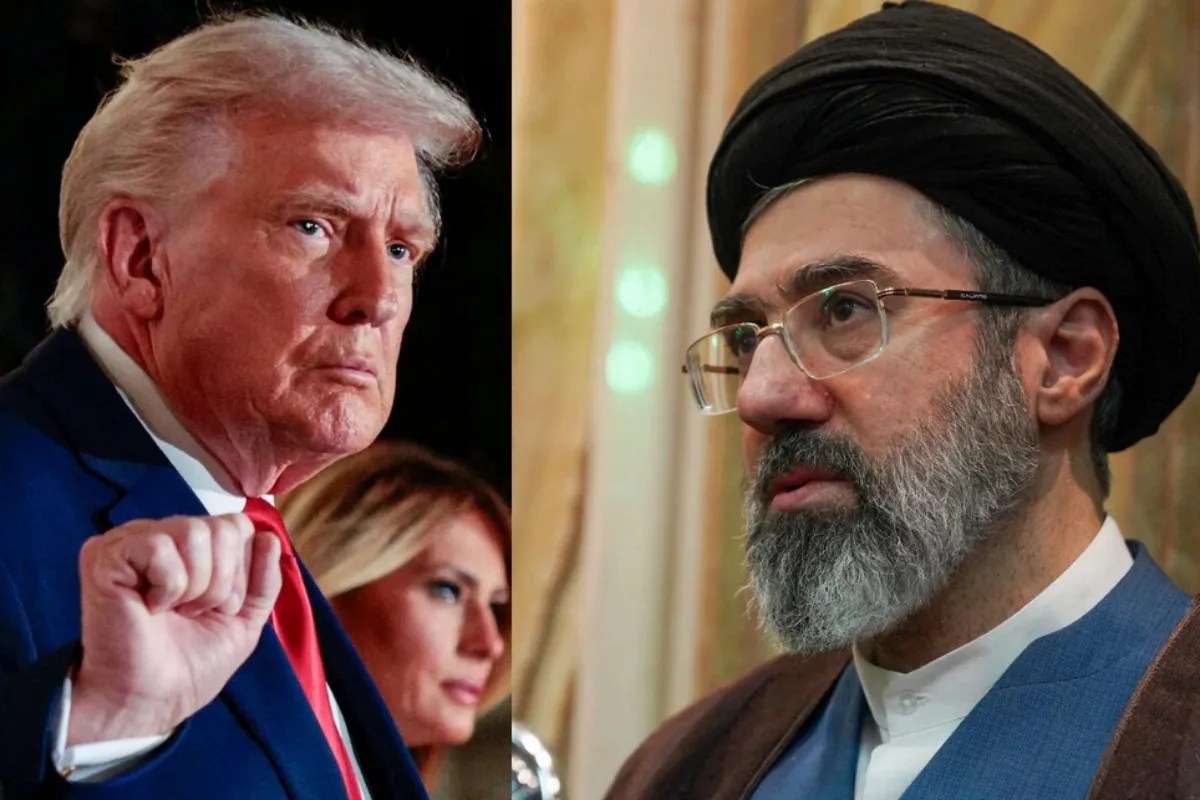
The media loves a "peace in our time" narrative. Headlines are currently screaming about Donald Trump extending a ceasefire with Iran at the behest of Pakistan, all while maintaining a naval blockade in the Strait of Hormuz. It sounds like a masterclass in high-stakes diplomacy.
It isn't. It is a fundamental misunderstanding of how power functions in the Persian Gulf.
The premise that Islamabad holds the keys to Tehran’s restraint—or Washington’s strategic patience—is a fantasy. We are witnessing a performance of stability that ignores the structural rot underneath. If you think this "extension" buys the world safety, you are looking at the wrong map.
The Myth of the Pakistani Power Broker
Mainstream analysts treat Pakistan as the indispensable bridge between the Islamic Republic and the West. This ignores forty years of evidence.
Pakistan is currently grappling with triple-digit inflation, a fractured domestic political landscape, and a military establishment more concerned with its own survival than mediating a global energy crisis. Islamabad doesn't influence Iran; it manages a shared border with a neighbor it deeply distrusts.
To suggest Trump is taking orders—or even advice—from Islamabad is to ignore the reality of "America First" transactionalism. This isn't mediation. This is optics. By involving Pakistan, the administration creates a buffer of deniability. If the "ceasefire" holds, the US claims credit for restraint. If it fails, they blame the "failed mediation" of a regional partner.
The Blockade Paradox
You cannot have a ceasefire and a blockade simultaneously. In the world of realpolitik, a blockade is an act of war.
The US Navy’s continued presence in the Strait of Hormuz is not a defensive posture. It is a slow-motion strangulation. The Strait is a choke point where roughly 20% of the world’s petroleum passes. By maintaining a "navel blockade" while talking peace, the US is effectively telling Iran they can breathe, but only through a straw that Washington controls.
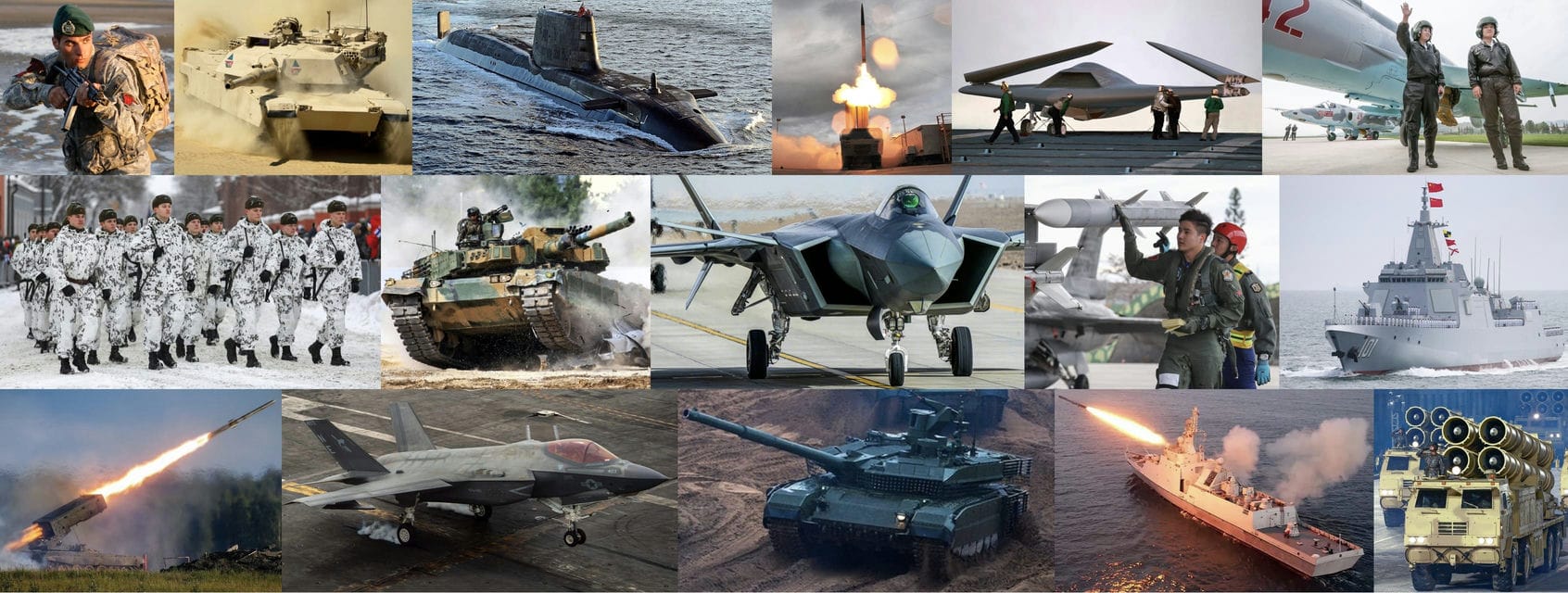
History shows us that blockades do not lead to long-term stability. They lead to "breakout" events. Iran’s military doctrine, specifically its "asymmetric naval warfare" strategy, is designed for this exact scenario. They don't need a massive fleet to win; they only need to sink one tanker or deploy a swarm of $20,000 drones to make insurance premiums for global shipping skyrocket.
The "ceasefire" is a pause button on a bomb that is still ticking.
Misunderstanding the Iranian Calculus
The competitor articles often paint Iran as a desperate actor clinging to any diplomatic lifeline. This is a gross miscalculation of the regime’s survival instinct.
Tehran’s primary goal isn't just the absence of war; it is the removal of the US from its backyard. A ceasefire that keeps the blockade in place does nothing to advance that goal. In fact, it provides a window for Iran to further harden its nuclear facilities and refine its proxy networks in Iraq, Yemen, and Lebanon.
I’ve seen regional analysts miss this point for a decade: Iran uses "peace talks" as a tactical deployment of time. They aren't negotiating their surrender; they are negotiating the price of their patience.
Why the Market is Wrong
The oil markets usually react to these headlines with a sigh of relief. Prices stabilize. Volatility drops. This is the "lazy consensus" in action.
Traders are pricing in a diplomatic solution that doesn't actually exist. The structural tension between US regional hegemony and Iranian regional revisionism is an irreconcilable conflict. No amount of Pakistani shuttling or Trumpian posturing changes the fact that both sides have goals that require the total defeat of the other’s policy.
If you are betting on long-term regional stability based on this news, you are ignoring the physics of the situation. Pressure is building in a closed system. The blockade ensures the pressure stays high, and the "ceasefire" ensures no steam is released.
The Cost of the Status Quo
Let’s look at the data the mainstream ignores.
- Shipping Costs: Since the blockade intensified, maritime insurance in the Persian Gulf has increased by over 300% for certain vessel classes.
- Proxy Activity: There has been zero reduction in IRGC funding to Houthi rebels despite the "de-escalation" talk.
- Sanctions Evasion: Iran has perfected the art of "ghost tankers," moving millions of barrels to Chinese refineries regardless of US naval presence.
The blockade is a sieve. It hurts the global consumer by keeping prices artificially high due to "risk premiums," but it fails to actually stop the flow of Iranian capital. It is the worst of both worlds: high tension with low efficacy.
Stop Asking if it Will Work
The question people keep asking is, "Will this ceasefire hold?"
It’s the wrong question. The right question is, "Who benefits from the illusion of peace?"
Washington benefits because it avoids a direct kinetic conflict during an election cycle. Tehran benefits because it gets to continue its domestic enrichment programs without the immediate threat of B-52s over the capital. Pakistan benefits because it gets to pretend it is a major global player to secure more IMF loans.
The only people who lose are those who believe the problem is being solved.
The Brutal Reality of Regional Hegemony
Real diplomacy requires a "Grand Bargain"—a total restructuring of the security architecture in the Middle East. That would mean acknowledging Iran’s role as a regional power, which the US is not prepared to do. Or, it would mean Iran abandoning its revolutionary ideology, which the regime cannot do without collapsing.
Everything else is theater.
The Strait of Hormuz will remain the world's most dangerous parking lot. The "ceasefire" is merely a costume change between acts. When the next incident happens—and it will—the "mediation" by Pakistan will be forgotten in seconds, replaced by the reality of anti-ship missiles and carrier strike groups.
Quit looking for peace in the headlines. Look for the logistics on the water. The US is still loading the gun, and Iran is still building the target.
Do not mistake a deep breath for a change of heart.