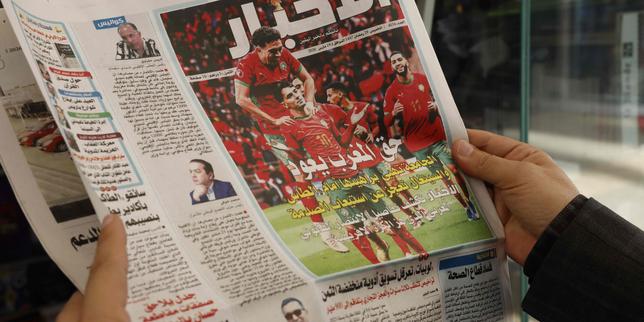
The diplomatic aftermath of the Africa Cup of Nations final has taken an unprecedented turn, shifting from the pitch to the highest corridors of North African power. King Mohammed VI of Morocco issued a royal pardon freeing dozens of imprisoned Senegalese football fans who were detained following clashes at the tournament conclusion. While official state communiqués cite humanitarian considerations, the move represents a calculated diplomatic maneuver. It is a masterclass in soft-power diplomacy designed to cement Rabat's influence in West Africa.
The Flashpoint in Casablanca
The trouble began in the emotional pressure cooker of the tournament finale. What was supposed to be a celebration of continental football degenerated into logistical chaos outside the stadium. Rivalries boiled over. Local security forces clashed with traveling supporters, leading to mass arrests of Senegalese nationals on charges ranging from public destruction to assaulting law enforcement officers.
For weeks, the detentions threatened to sour relations between two of Africa's most historical allies. Families in Dakar held vigils. The Senegalese government faced mounting domestic pressure to intervene, yet they lacked the legal leverage to demand the release of citizens caught up in a foreign judicial system.
Then came the royal decree.
More Than Merely Humanitarian
State media outlets quickly framed the pardon as an act of pure magnanimity. This narrative overlooks the cold reality of regional statecraft. Monarchies rarely move this quickly unless a strategic interest is at stake. Morocco has spent the better part of two decades positioning itself as the economic and spiritual anchor of West Africa.
Dakar is Rabat's most reliable partner in this ambition. By bypassing the lengthy judicial appeals process and releasing the fans unconditionally, the Moroccan palace achieved several objectives simultaneously.
- Diffusing Domestic Pressure on Dakar: The newly elected Senegalese administration was handed a massive diplomatic victory without having to expend political capital or make public concessions.
- Demonstrating Continental Leadership: The move projects an image of a benevolent, stable regional power capable of showing mercy to its neighbors.
- Neutralizing Local Resentment: Anti-Moroccan sentiment was beginning to fester on Senegalese social media networks, threatening the deep-rooted cultural ties between the two populations.
The Soft Power Subtext
Football on the African continent is never just a game. It is an extension of national identity and geopolitical positioning. Morocco's heavy investment in sports infrastructure, including state-of-the-art academies and hosting rights for major tournaments, serves a broader foreign policy agenda.
When thousands of foreign fans descend on Moroccan cities, the state's capacity to manage both hospitality and security is put on display. When that management fails, as it did during the post-match scuffles, the reputational risk is severe.
The royal pardon functions as an immediate damage-control mechanism. It effectively rewrites the narrative from one of heavy-handed policing to one of royal benevolence. It transforms a security failure into a diplomatic triumph.
Securing the Atlantic Corridor
To understand the full scope of this decision, one must look at the map. Morocco is currently pushing an ambitious Atlantic Initiative aimed at providing landlocked Sahelian nations access to the ocean. Senegal is the geographic and economic linchpin of this maritime strategy.
The bilateral relationship involves massive joint investments in banking, fertilizer production, and religious tourism. Tens of thousands of West African Sufi pilgrims travel to Moroccan holy sites annually. Disrupting this flow of commerce and goodwill over a stadium riot would be an act of economic self-sabotage.
The release of the supporters ensures that these multi-billion-dollar economic corridors remain unencumbered by popular anger or diplomatic friction.
A Precedent for Future Tournaments
This intervention sets a complex precedent for sports governance across the continent. It signals to traveling supporters that diplomatic interventions can override local judicial outcomes if the political stakes are high enough. This creates an awkward dynamic for the Confederation of African Football, which attempts to keep politics separate from the sport.
Security coordinators are now left to navigate a reality where local laws may be superseded by executive decrees aimed at maintaining international harmony. It raises questions about accountability and the safety of stadium staff who must police these high-stakes matches knowing that political calculus can change the consequences of violence overnight.
The freed fans are already returning to Dakar, greeted by relieved families and a government thankful for the resolution of a volatile crisis. Rabat has once again demonstrated that in the modern African landscape, a royal decree can turn a stadium security crisis into a diplomatic victory, reinforcing an alliance that remains vital to Morocco's continental ambitions.