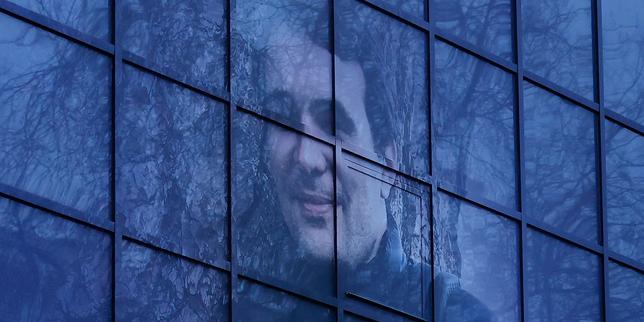
The imprisonment of French investigative journalist Christophe Gleizes in Algeria underscores a dangerous escalation in the suppression of independent press across North Africa. Officially detained on charges that local authorities frequently leverage against foreign media, his situation has quickly evolved from a legal dispute into a delicate diplomatic standoff. French Foreign Minister Jean-Noël Barrot recently attempted to reassure the public by stating that Gleizes is holding up well despite the ordeal. However, behind these carefully measured diplomatic statements lies a much harsher reality. The arrest is not an isolated incident of bureaucratic overreach, but rather a calculated manifestation of Algeria’s hardening stance toward foreign scrutiny and internal dissent.
For decades, international journalists operating in the region have navigated an unspoken minefield of red lines. Touching upon military expenditures, state intelligence operations, or regional border disputes has always carried immense risk. What has changed in recent years is the complete breakdown of the informal protections that Western passports used to provide.
The Mechanism of Legal Hostility
Operating as a reporter in Algiers requires an official accreditation that the state grants sparingly and revokes arbitrarily. When a journalist bypasses this opaque system to cover stories that the regime prefers to keep hidden, the state responds not with deportation, but with criminal prosecution.
The legal framework used to detain foreign nationals is intentionally broad. Vaguely worded statutes regarding national security, espionage, or the dissemination of false news are deployed to justify prolonged pre-trial detentions. In the case of Gleizes, the Algerian judiciary has utilized these expansive laws to restrict access to legal counsel and delay formal proceedings. This tactic serves a dual purpose. It halts the investigation the journalist was conducting, and it sends a chilling message to any peers considering similar assignments.
Diplomatic engagement in these scenarios follows a highly predictable, frustrating script. Publicly, officials like Barrot must project strength and concern to satisfy domestic voters who demand the protection of citizens abroad. Privately, the negotiations are transactional, cautious, and painfully slow.
Paris cannot afford to alienate Algiers completely. France relies heavily on Algerian cooperation for counter-terrorism initiatives in the Sahel region and, more critically, for managing migration flows across the Mediterranean. When a journalist is detained, their freedom becomes a bargaining chip in a much larger geopolitical chess match, often subordinate to energy contracts and regional security pacts.
The Shrinking Space for Independent Reporting
Local Algerian journalists have borne the brunt of this repressive environment for years. Dozens of domestic reporters have seen their publications shuttered, their websites blocked, and their careers ended by state intelligence services. By extending this level of hostility to well-known foreign correspondents, the Algerian government is signaling that it no longer fears the international fallout of press freedom violations.
Algerian Press Freedom Indicators (Recent Trends)
--------------------------------------------------
Independent Outlets Closed:     Significant Increase
Foreign Accreditations Issued:  Sharp Decline
Pre-trial Detentions for Press: Multi-year High
This shift is partly driven by a changing global order. Wealthy regimes in North Africa and the Middle East have observed that Western nations are increasingly willing to overlook human rights abuses if the economic or strategic incentives are aligned. The leverage that European governments once held through aid and trade agreements has diminished as alternative global powers offer unconditional financial partnerships.
The Human Cost of Strategic Silence
While the ministries in Paris and Algiers exchange carefully worded communiqués, an individual remains confined in a cell. The psychological toll of indefinite detention under these conditions is immense, designed specifically to break the resolve of the individual and deter their employer from pursuing the story.
Mainstream media organizations face a logistical nightmare when deploying staff to high-risk zones in North Africa. Insurance costs have skyrocketed, and the legal liabilities involved in sending a reporter into a country with an unpredictable judiciary are forcing editors to spike critical investigations before they even begin. The result is an expanding information black hole in a region that is vital to global stability.
The strategy of quiet diplomacy favored by Western governments is facing intense scrutiny from press freedom watchdogs. Critics argue that by failing to impose immediate, tangible consequences for the detention of journalists, nations like France are effectively signaling that the safety of their citizens is negotiable. This passivity invites further overreach, making the profession of investigative journalism inherently unsustainable in large portions of the world.
Relying on the goodwill of an authoritarian regime to release a political prisoner is a strategy built on sand. The resolution of the Gleizes case will not come from a sudden wave of judicial fairness in Algiers, but from a calculated decision by the regime that holding him is costing them more than letting him go. Until Western nations alter the cost-benefit analysis for regimes that jail reporters, the list of detained journalists will continue to grow longer, and the truth about regional corruption and human rights abuses will remain buried.


