The diplomatic matrix connecting New Delhi and Naypyidaw operates under a stark geopolitical reality: sovereign assurances are cheap, but cross-border stability is expensive. When Myanmar President U Min Aung Hlaing met with Prime Minister Narendra Modi in New Delhi, the immediate narrative centered on familiar, sweeping commitments. Myanmar guaranteed it would take "everything necessary" to neutralize Indian Insurgent Groups (IIGs) operating within its borders. Beneath this diplomatic rhetoric lies a deeply volatile security architecture where internal governance failures in one state directly degrade the territorial security of its neighbor.
To analyze the true structural balance of power between India and Myanmar, analysts must look past bilateral press releases and evaluate the real tactical friction points. This relationship is bound by a 1,643-kilometer-long shared border, complex ethnic overlaps, a growing refugee crisis in Mizoram, and intense competition for regional influence involving major global powers.
The Strategic Cost Function of Border Friction
The security dilemma between India and Myanmar can be broken down using a clear cost function, where India’s total border security liability ($L$) is shaped by four distinct, compounding variables:
$$L = f(I, R, S, V)$$
Where:
- $I$ represents the operational density of Indian Insurgent Groups (IIGs) utilizing safe havens in Myanmar.
- $R$ represents the volume and demographic friction of refugee inflows into border states like Mizoram.
- $S$ represents the trans-national reach of criminal enterprises, specifically the modern cyber-scam networks embedded in Southeast Myanmar.
- $V$ represents the geopolitical power vacuum created by internal conflict, which hostile external actors can exploit.
The Insurgent Safe Haven Mechanism
For decades, the dense jungles and rugged hills of western Myanmar have given anti-India insurgent factions an asymmetric advantage. These groups use Myanmarese territory as a staging ground, crossing into India’s northeastern states to conduct guerrilla operations before retreating across the international border. This border serves as a political shield against full-scale Indian military retaliation.
The core challenge for Indian security forces is that the Myanmar military's capacity to police these peripheral areas is shrinking. As Naypyidaw faces intensifying pressure from its own domestic opposition and ethnic armed organizations (EAOs), its ability to honor cross-border security guarantees decreases. This dynamic creates a dangerous paradox: the more the Myanmar military fights for its survival at home, the less control it has over the borderlands, allowing anti-India insurgent networks to expand.
Tactical Externalities of Internal Conflict
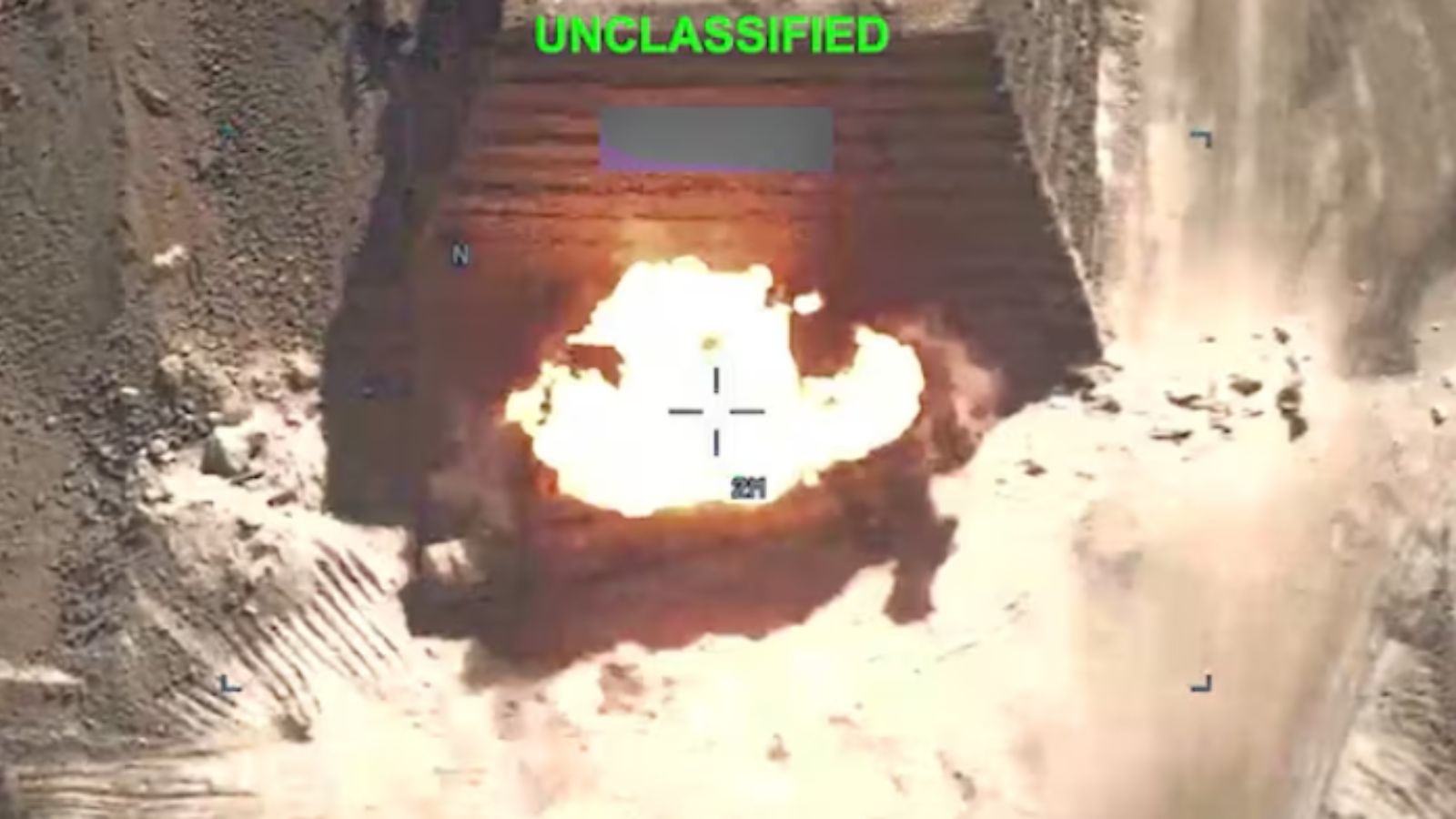
A key issue raised during the bilateral talks was how Myanmar’s internal military campaigns affect neighboring territories. The fighting between the Myanmar army and various domestic insurgent groups often spills directly across the border, creating significant problems for India.
+--------------------------------------------------------+
|             Myanmar Internal Hostilities               |
+--------------------------------------------------------+
                           |
                           v
+--------------------------------------------------------+
|  Kinetic Operations Conducted Near the Border Security |
+--------------------------------------------------------+
                           |
                           v
+--------------------------------------------------------+
|               Cross-Border Externalities               |
|  - Collateral Damage to Indian Border Villages         |
|  - Influx of Displaced Populations (Refugees)          |
|  - Demographic & Resource Strains in States like Mizoram|
+--------------------------------------------------------+
When the Myanmar military launches artillery or airstrikes against domestic rebels close to the Indian line, it triggers two immediate, destabilizing effects for India:
- Collateral Damage to Indian Border Communities: Live fire and kinetic actions occurring right at the border jeopardize the lives and property of Indian citizens living in nearby villages.
- The Refugee Influx Flow: Intense fighting forces thousands of civilians to cross into Northeast India, particularly Mizoram, seeking safety.
This population displacement creates a complex regional challenge. While local communities often share close ethnic ties with the arriving refugees, an uncontrolled, long-term influx risks straining local resources and upsetting delicate demographic balances.
The official diplomatic consensus between the two nations is that these displacements are temporary, and a repatriation framework remains active in bilateral discussions. However, the operational reality is clear: safe repatriation is impossible without domestic stability inside Myanmar.
The Cyber Scam Dimension and Transnational Crime
The breakdown of central authority in Myanmar has also led to a surge in sophisticated transnational crime, particularly industrialized cyber-scam compounds located in the country's southeastern border regions. These operations have evolved far beyond small-scale fraud, turning into heavily fortified, human-trafficking networks that pose a direct threat to Indian citizens.
+--------------------------------------------------------+
|          Geopolitical Fragility & Governance Vacuum     |
+--------------------------------------------------------+
                           |
                           v
+--------------------------------------------------------+
|  Growth of Lawless Enclaves & Cyber-Scam Compounds     |
+--------------------------------------------------------+
                           |
                           v
+--------------------------------------------------------+
|   Transnational Human Trafficking & Financial Fraud    |
|   - Over 2,400 Indian Nationals Rescued and Repatriated |
|   - Active Security Coordination Required for Survival|
+--------------------------------------------------------+
These criminal syndicates frequently lure young, tech-literate Indian professionals abroad with false promises of legitimate employment, only to traffic them into these lawless enclaves and force them to execute global financial scams.
The scale of this challenge is reflected in recent rescue operations. Bilateral coordination has successfully liberated and repatriated over 2,400 Indian nationals from these camps. However, intelligence reports indicate that hundreds more remain trapped, demonstrating that an unstable Myanmar creates a breeding ground for criminal activities that directly impact India's human and financial security.
The Geopolitical Vacuum and the Logic of Engagement
Critics of India’s foreign policy often argue for diplomatic isolation or economic sanctions against Naypyidaw due to its turbulent internal governance. However, this perspective overlooks the pragmatic, realpolitik calculations of New Delhi’s strategy. India’s choice to remain actively engaged is driven by a clear imperative: avoiding a geopolitical vacuum.
A complete diplomatic withdrawal by India would not encourage democratic change or restore internal peace in Myanmar. Instead, historical precedents show it would simply create a political vacuum that alternative regional powers—most notably China—would quickly fill.
China already holds significant influence over Myanmar’s economy, particularly through infrastructure investments and dominant access to its critical minerals and rare earth sectors. For India, maintaining a constructive relationship with Naypyidaw is an essential strategic move to balance Beijing's influence along its eastern flank.
Furthermore, Myanmar is the geographic gateway for India's broader connectivity goals in Southeast Asia, serving as the land link for vital initiatives like the Act East policy. If India were to cut ties, it would kill these long-term trade projects, leave its 1,643-kilometer border completely unprotected, and hand its rivals an open invitation to expand their influence right up to India's doorstep.
The Limitations of Democratic Export
During their talks, New Delhi emphasized its long-held position that any sustainable solution to Myanmar's internal crises must be locally driven, inclusive, and led by its own people. While India has shared its decades of experience with constitutional federalism through workshops and seminars, it recognizes that external governance models cannot simply be imposed from the outside.
A stable, unified Myanmar requires a governance structure that can balance central authority with regional autonomy for its diverse ethnic groups. However, achieving this broad national consensus is incredibly difficult during an active civil conflict. India's strategy is to offer institutional expertise without directly interfering, maintaining a delicate balance that preserves its security ties with the current leadership while leaving room for future political shifts.
The Strategic Path Forward
To safeguard its interests, India must move beyond relying on verbal security assurances from Naypyidaw and implement a more proactive, multi-layered border strategy.
- Accelerate Border Hardening and Infrastructure: India needs to speed up its efforts to secure the border by constructing advanced fencing and setting up smart surveillance networks along high-risk stretches. This infrastructure is essential to curb illegal crossings and disrupt insurgent logistics without choking off legitimate local trade.
- Establish Joint Cyber-Intelligence Task Forces: Given the rise of institutionalized scam networks, India should set up a dedicated, real-time intelligence-sharing mechanism focused on identifying and shutting down trafficking hubs and digital fraud operations in border zones.
- Expand Localized Intelligence Networks: Rather than relying solely on official assurances from the central government, Indian security agencies must deepen their localized intelligence footprints along the frontier to anticipate and mitigate cross-border spillovers before they escalate.
Relying entirely on Naypyidaw’s promises to handle border insurgents is a high-risk strategy, especially as the Myanmarese state remains consumed by domestic strife. By taking independent steps to secure its borders, enhance cyber defenses, and maintain a realistic, engagement-focused foreign policy, India can protect its national security and ensure regional stability, regardless of how Myanmar's internal conflicts unfold.