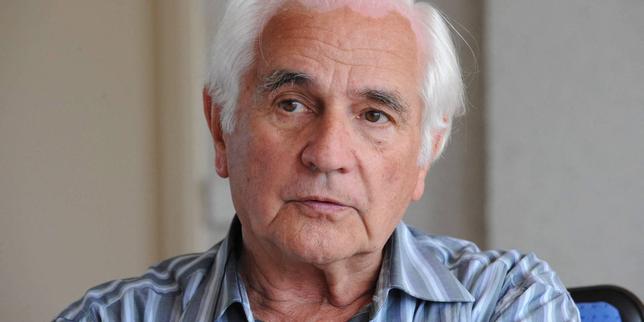
Power grids are fragile. Most people do not realize how easily a single point of failure can plunge millions into darkness. Last week, German authorities clamped handcuffs on a 48-year-old suspect named Daniel V., pointing directly at radicalized environmental extremism as the driving force behind a wave of infrastructure attacks.
We are watching a dangerous escalation. For years, climate protests meant blocked traffic, orange paint on monuments, or people gluing themselves to tarmac. This new chapter looks entirely different. It targets the physical backbone of modern society. When activist movements cross the line into industrial sabotage, the conversation shifts from civil disobedience to national security overnight.
The Anatomy of the Power Grid Threat
Critical infrastructure relies on trust and openness. Substations, transformers, and high-voltage transmission lines sit out in the open across thousands of miles of countryside. You cannot wall off every single acre of electrical grid without bankrupting public utilities or destroying the landscape you are trying to protect.
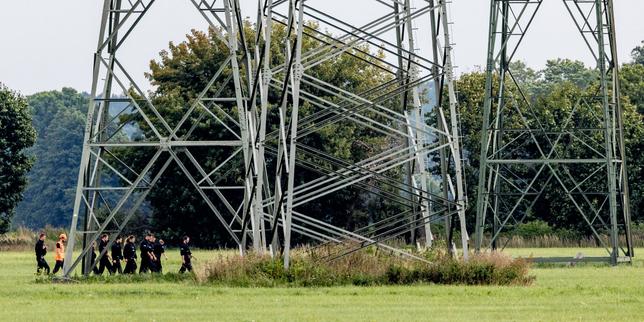
Investigators tied the recent string of attacks to a series of calculated strikes against electrical installations, notably in western regions like near Düsseldorf. Government officials did not mince words. They called it what it is: domestic sabotage aimed at creating maximum disruption. Security agencies tracked the suspect not just across German territory, but discovered cross-border operational planning stretching toward neighboring countries like the Netherlands.
When political frustration mutates into physical attacks on transformers, the state responds with heavy force. Federal prosecutors took over the case. This signals that European intelligence services view eco-terrorism as a tier-one threat, comparable to far-right or jihadist cells targeting infrastructure.
Where Activism Crosses Into Radicalization
It is easy to trace the frustration. Climate targets are slipping away, global temperatures keep rising, and young activists feel ignored by policy sluggishness in Berlin and Brussels. Despair breeds radical ideas.
Yet, blowing up power lines or frying transformers does not build a single wind turbine or solar farm. It achieves the exact opposite. It turns public opinion violently against the green movement. Ordinary citizens freezing in their homes or losing local hospital power do not sympathize with the cause. They demand crackdowns.
Security experts have warned about this splinter effect for a long time. Mainstream groups like Last Generation or Extinction Rebellion publicly distance themselves from violent actions, but law enforcement knows that underground splinter cells always form when mass movements stall. People grow impatient with peaceful marches. They look at direct action manuals, start tinkering with high-voltage equipment, and convince themselves they are modern resistance fighters.
Protecting Critical Infrastructure in Real Time
Utilities are scrambling to adapt. Upgrading physical security around rural substations means installing motion sensors, high-definition thermal cameras, and faster alarm loops linked directly to federal police dispatch centers.
You cannot stop a determined saboteur with a chain-link fence alone. Operators now rely on predictive AI anomaly detection to spot voltage drops or physical tampering seconds after a breach occurs. Still, technology only goes so far. The real battle is ideological and psychological.
Governments face a tightrope walk. They must crack down hard on infrastructure attacks to keep the lights on, while avoiding a broad overreach that criminalizes legitimate, peaceful protest. If the state overcorrects, it validates the cynical narrative that peaceful dissent is dead anyway.
The arrest of Daniel V. closes one manhunt, but it opens a sobering window into the future of European security. Extreme environmental radicalism has entered a dark phase. Policymakers, law enforcement, and climate leaders must address this fracture before the next transformer blows.