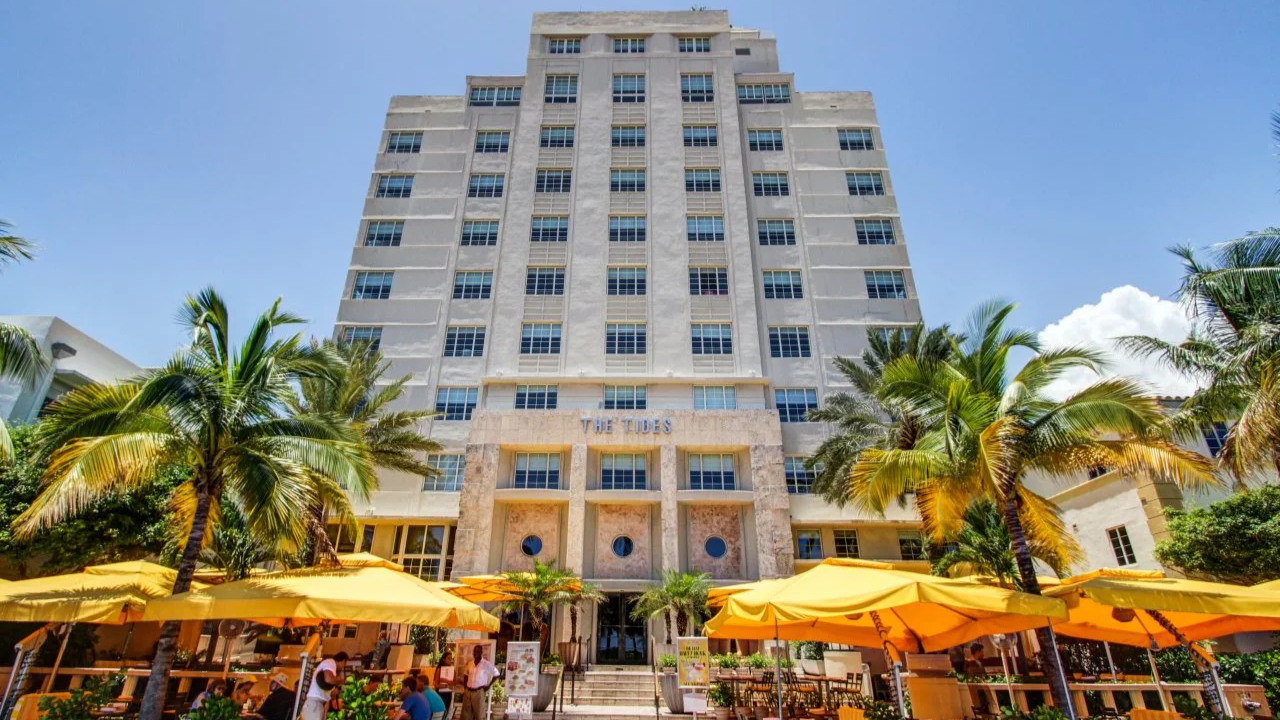
For nearly a decade, the doors remained locked. Paint peeled quietly in the salty air. Brass hardware tarnished to a dull, bruised green. Passersby on Ocean Drive walked past the historic facade of the Tides Hotel, barely glancing at the shuttered windows that stared back at them like blind eyes. Nine years. More than three thousand days of silence behind an Art Deco masterpiece while legal wars raged in courtrooms miles away.
A foreclosure battle is a sterile thing on paper. It lives in thick binders of legal briefs, financial ledgers, and court orders totaling $95.6 million. Numbers do not capture the sound of water leaking into a vintage suite. Numbers do not measure the heartbreak of an architectural treasure left to rot while the world outside keeps spinning, neon lights flashing against the Atlantic night. For a different look, read: this related article.
Architecture in Miami is never just about concrete and steel. It is a living memory.
Imagine standing on the sidewalk in 1936. The nation was still dusting itself off from the Great Depression, yet here, under the warm Florida sun, architects were sketching the future in pastel curves and sleek nautical lines. The Tides wasn’t just a place to sleep; it was a statement of hope. It whispered promises of glamour, of ocean breezes, of a glittering escape from ordinary life. When a building like that goes dark for a decade, a small piece of the city's soul goes dark with it. Similar analysis on this matter has been provided by Travel + Leisure.
Then came the turning point.
The courtroom battles finally ended. Capital arrived, not like a gentle tide, but like a sudden storm of restoration. Scaffolding crept up the face of the building. Hard hats replaced ghosts. The $95.6 million price tag of dispute dissolved into the cost of rebirth.
Restoring history is a delicate violence. You have to strip away the rot without destroying the character. Workers scraped away decades of modifications that had hidden the original 1930s elegance. They hunted for vintage tiles, matched custom terrazzo, and coaxed the iconic oceanfront facade back to its original vibrancy. Every hammer strike was a negotiation with the past.
Why does any of this matter to the traveler booking a weekend getaway or the local sipping coffee across the street? Because cities need their anchors. In a place as fast-moving as Miami Beach, where neon signs blink out of existence overnight and glass towers rise in months, historical preservation is an act of defiance. It says that yesterday still matters. It reminds us that the stories etched into the walls are worth saving.
The doors are open once again.
Inside, the lobby no longer smells of damp plaster and abandonment. It smells of fresh varnish, polished stone, and anticipation. Guests step across the threshold, unaware of the legal bloodbath or the financial engineering that brought this place back from the brink. They only feel the cool rush of air conditioning, the flash of sunlight off the polished brass, and the unmistakable weight of a classic hotel breathing new life.
Outside, the Atlantic keeps rolling onto the sand, indifferent to human litigation or architectural triumphs. But on Ocean Drive, the Tides has reclaimed its watch. The lights are on. The story continues.