Snow falls heavily over Pyongyang, muting the concrete plazas and wrapping the monolithic monuments of the Kim dynasty in an eerie, bleached silence. In a city designed to project absolute, unyielding permanence, silence is never peaceful. It is calculated. It is a holding of breath.
For decades, the world has peered through the frosted glass of intelligence reports and satellite imagery, trying to decode the impenetrable fortress of North Korea’s ruling family. We look for cracks in the facade. We count the limousines parked outside forbidden compounds. We analyze the subtle tilt of a general's head during a military parade. And yet, the most profound anxieties of this secretive state do not stem from foreign missiles or economic collapse. They stem from a much older, more fragile human dilemma: who comes next.
Dynasties are fragile things disguised as iron.
When you stand at the edge of the Demilitarized Zone, the air feels heavy with history, charged with a tension that defies the quiet landscape. I remember the sensation of looking across that invisible line—the surreal realization that just miles away lies a parallel universe governed by absolute obedience and hereditary divine right. In that world, power is not won through policy or persuasion. It is inherited in the blood.
For years, the conventional wisdom of foreign policy analysts pinned all future projections on a single, linear trajectory. The Supreme Leader, Kim Jong Un, would pass his nuclear codes and portrait-draped kingdom to a son. It is the patriarchal script written a thousand times across human history. Primogeniture. The oldest boy steps forward. The crown fits.
Except, reality rarely follows the script.
Intelligence assessments from South Korea’s National Intelligence Service have increasingly pointed to a different heir apparent. Not a son who remains largely hidden behind the iron curtains of nursery schools and guarded estates, but a daughter. Ju Ae.
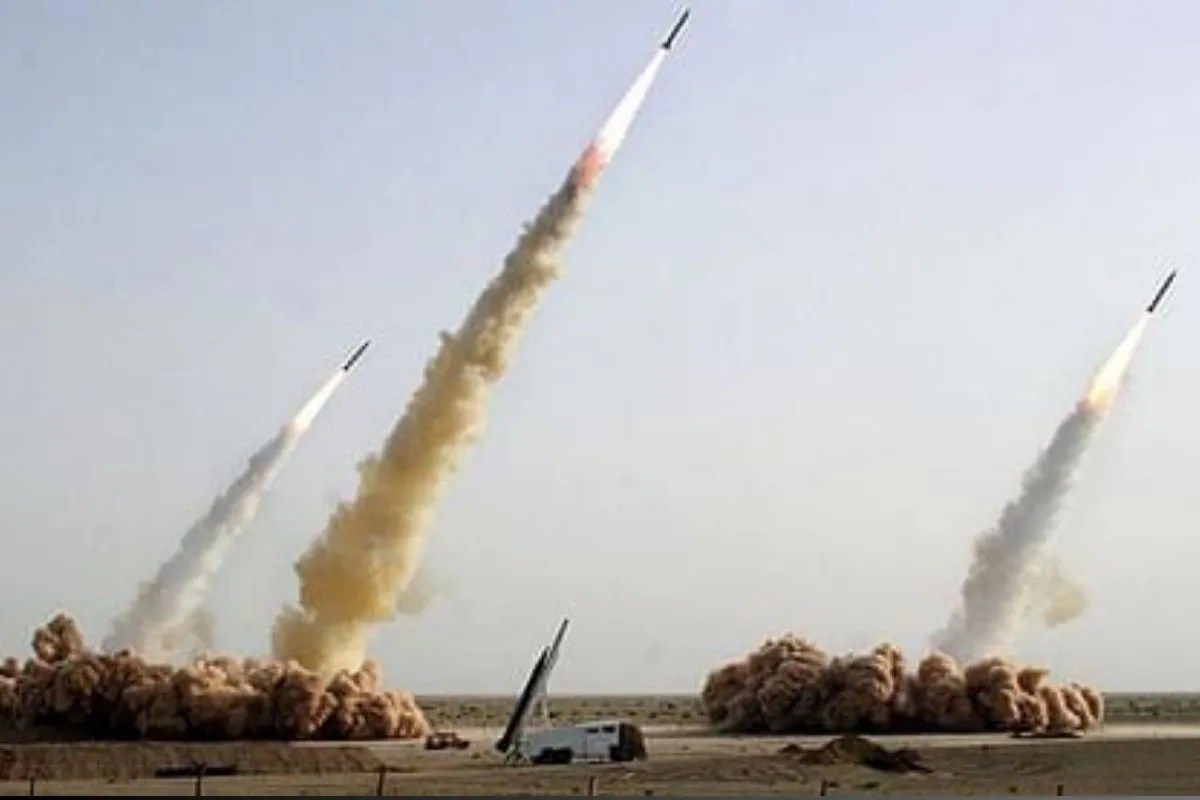
Her public debut did not happen quietly behind closed doors. It arrived with the thunder of an intercontinental ballistic missile launch. Picture the scene: a sprawling concrete launchpad, the night sky split open by the blinding, apocalyptic glare of a rocket lifting off. Standing right beside the Supreme Leader, watching the fire with wide, unblinking eyes, is a young girl in a white winter coat. That image was broadcast across the globe. It was not an accident. It was an introduction.
To understand the weight of that moment, we have to look past the geopolitical theater and examine the architecture of absolute rule.
Kim Jong Un knows the precariousness of his position. He rose to power young, thrust onto the global stage following the death of his father, Kim Jong Il, in 2011. He inherited a starving nation armed with atomic weapons, surrounded by hostile economic giants, and plagued by internal paranoia. Survival required ruthlessness. It required purging rivals, consolidating control, and projecting an aura of invulnerability that brooked no challenge.
When you build a regime on the myth of infallible bloodlines, succession is your most dangerous vulnerability. Get it wrong, and the entire edifice collapses from within.
This brings us to the shadowy existence of the rumored eldest child—the son. Observers of the regime have whispered about his existence for years. Reports suggest health struggles, or perhaps a temperament that does not yet fit the brutal mold required of a Supreme Leader. In a system where weakness is a fatal sentence, a hidden son is a liability. If he cannot project strength, he cannot rule.
Ju Ae, however, has been handed a very different public curriculum.
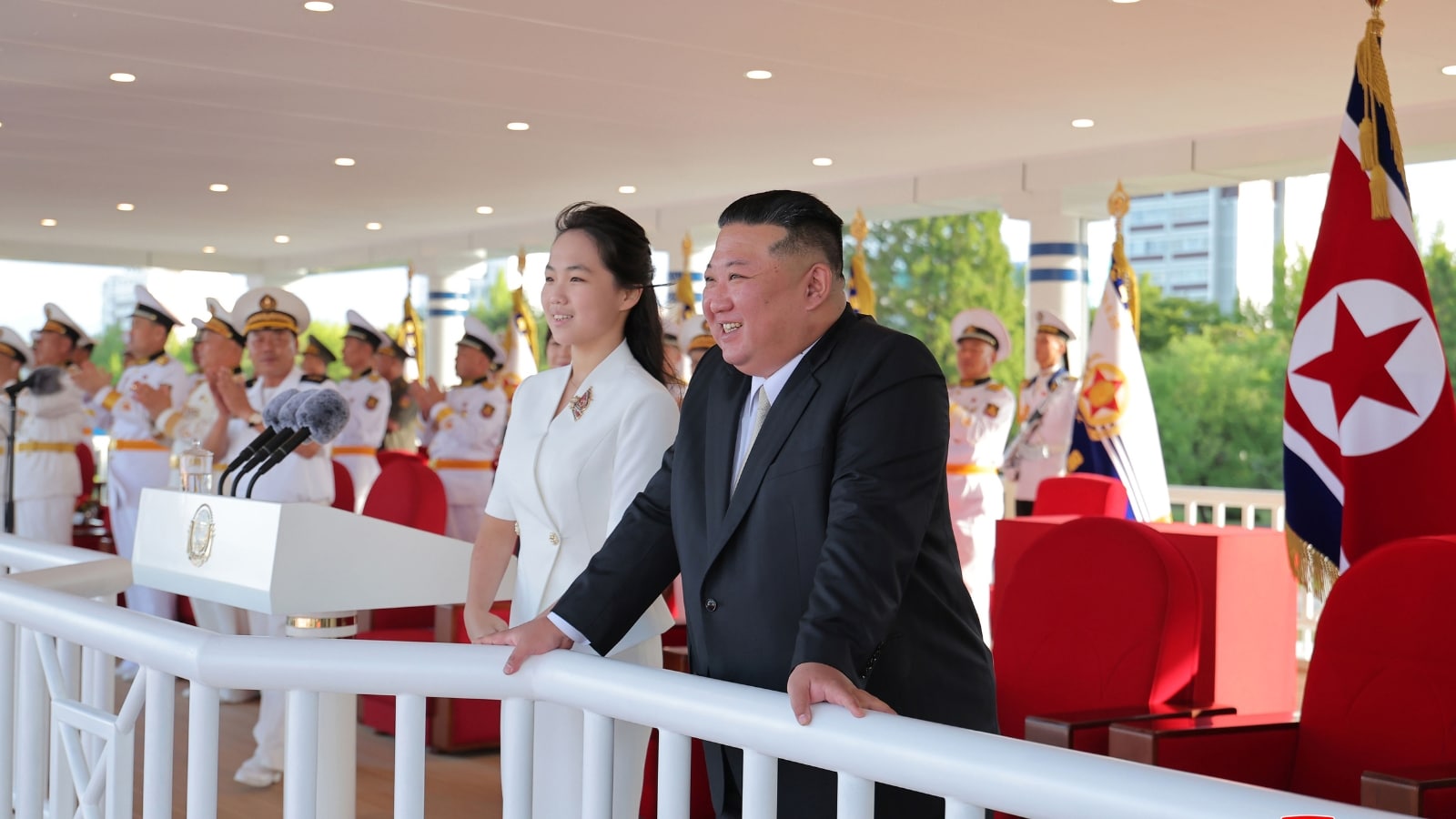
She does not hide. She inspects missile components. She stands shoulder-to-shoulder with top generals who bow their heads in her presence, scribbling notes as she speaks. She is being deliberately, methodically woven into the state iconography. Every public appearance is a brick laid in the foundation of her legitimacy. The message to the elite inner circle in Pyongyang is unmistakable: Look closely. Learn her face. She is your future.
Yet, assuming she is the guaranteed successor requires ignoring the labyrinthine complexities of North Korean politics.
Consider what happens next in a system defined by patriarchal traditions. Elevating a female leader in a society steeped in rigid Confucian hierarchies is no small leap. It requires rewriting the ideological playbook. The state media has already begun shifting its terminology, elevating her with titles that hint at special status, moving away from mere descriptions of affection toward language that borders on reverence.
We are watching a real-time psychological conditioning experiment.
The people of North Korea, conditioned from birth to revere the Paektu bloodline above all else, are being asked to stretch their worldview. For them, survival demands ideological flexibility. If the Supreme Leader declares that his daughter is the chosen vessel of the revolutionary spirit, dissent is not merely punished; it is unthinkable.
Still, doubt lingers in the damp corridors of foreign embassies and think tanks. Is Ju Ae truly the designated heir, or is her prominent display a calculated diversion? Is she a shield meant to draw international scrutiny while real power maneuvers happen in the dark? Autocracies thrive on misdirection. They feed on the West's insatiable hunger for definitive answers, throwing us scraps of theater to keep us guessing.
Perhaps the truth is simpler, and darker. Perhaps Kim Jong Un sees in his daughter a reflection of his own fierce resolve—a cold, calculating intelligence that he trusts more than any general or unseen brother.
When you strip away the nuclear posturing, the propaganda posters, and the endless military marches, you find a family trying to secure its legacy against the unrelenting march of time. Power is a ghost story we tell ourselves to keep the dark at bay. In Pyongyang, that ghost wears a white winter coat, standing hand-in-hand with a dictator, watching the sky burn.