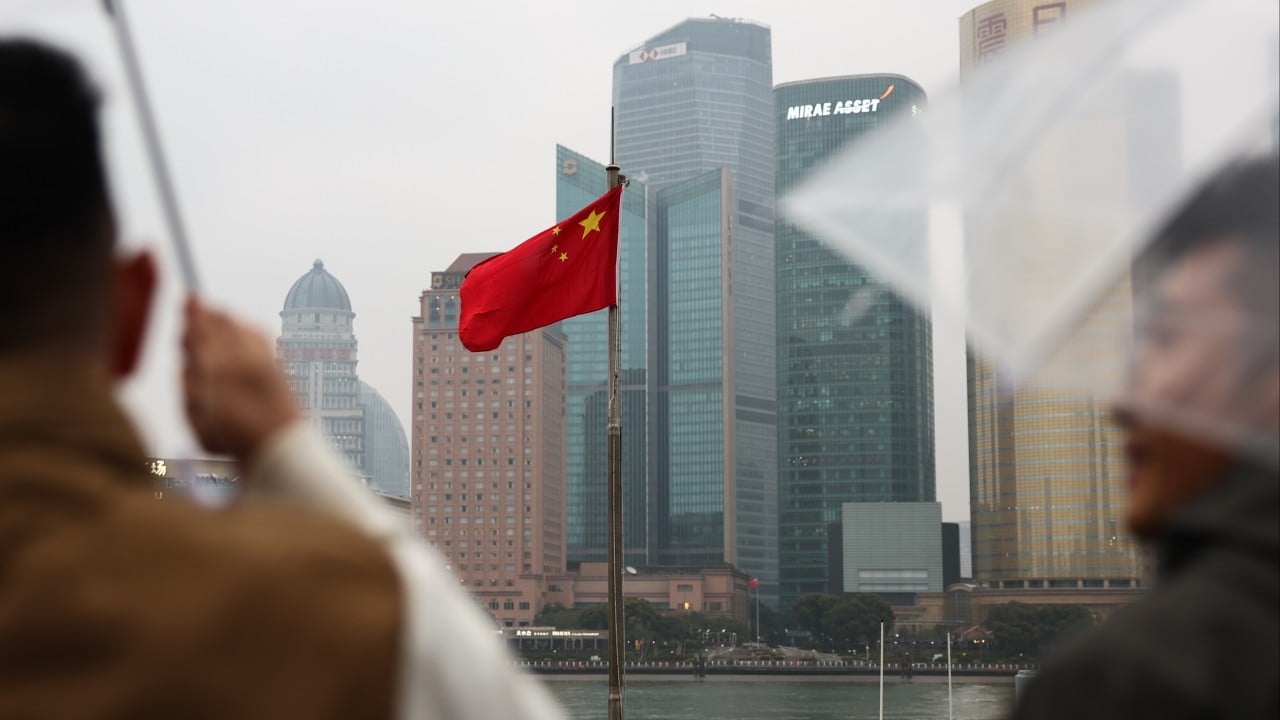
The tea in the Peninsula lobby is always served at exactly the right temperature, but for the man sitting across from me, the warmth isn’t reaching his hands. He keeps adjusting his watch—a Patek Philippe that costs more than a mid-sized apartment in Shenzhen—not because he’s late, but because he’s restless. Let’s call him Mr. Chen. He represents a specific, rapidly expanding demographic: the ultra-high-net-worth individual (UHNWI).
Mr. Chen is one of the thousands in Mainland China who recently crossed the threshold of owning $30 million or more in investable assets. While the world whispers about economic cooling and cooling property markets, the raw data tells a more nuanced, human story. According to the latest wealth reports, the number of people like Mr. Chen in Mainland China grew by nearly 5% last year. But numbers are cold. They don't capture the frantic energy of a man trying to figure out how to anchor his family's future in a sea of shifting tides. Recently making waves in this space: The H-1B Pause is a Gift to America’s Competitors.
The story isn't just about accumulation. It is about movement.
The Gravity of the Southern Harbor
For years, the narrative was simple: Shanghai and Beijing were the centers of the universe, and Hong Kong was a storied relic of the past. That narrative was wrong. Today, the gravity is shifting back toward the Fragrant Harbour with a force that is caught in the throat of every private banker from Singapore to Switzerland. Further insights regarding the matter are covered by Harvard Business Review.
Hong Kong is currently projected to see its ultra-wealthy population grow by nearly 17% over the next few years, outstripping almost every other global financial hub. To understand why, you have to look past the skyscraper skylines and into the lived reality of the "Family Office."
Think of a family office not as a room with a desk, but as a fortress. It is a legal and financial structure designed to ensure that if a patriarch disappears tomorrow, the grandchildren’s education, the charitable foundations, and the global real estate portfolio remain untouched. Hong Kong has slashed taxes and rolled out the red carpet for these fortresses. Mr. Chen isn’t just moving money; he is moving his legacy. He wants a place where the rule of law is familiar, the talent is world-class, and the bridge to the mainland is literal.
The Emotional Calculus of a Billion Dollars
Wealth at this scale is rarely about buying more things. You can only wear one watch; you can only sit in one car. At the UHNWI level, money becomes a medium for anxiety.
The mainland’s growth in wealth is driven by a resilient tech sector and a pivot toward "new quality productive forces"—renewable energy, advanced manufacturing, and AI. But the creators of this wealth are aging. We are witnessing the largest intergenerational transfer of wealth in human history. The "New Money" of the 1990s is becoming the "Old Money" of the 2020s.
Consider the daughter of a factory tycoon in Dongguan. She was educated in London, spends her summers in Provence, and views the world through a smartphone. She doesn't want to run a textile mill. She wants to invest in biotech startups and ESG-compliant funds. Hong Kong serves as the neutral ground where the father’s industrial grit meets the daughter’s global sophistication.
The data suggests that while Mainland China has the raw volume of wealth, Hong Kong has the "velocity." It is the place where that wealth goes to be put to work. This isn't just a business trend; it’s a family reunion mediated by asset managers.
The Invisible Infrastructure of Success
Why is Hong Kong "tipped for faster growth" compared to its peers? It’s the ecosystem.
If you are a billionaire in Beijing, you have a problem: how do you diversify without losing touch with the engine that made you rich? You look south. Hong Kong’s "Wealth Management Connect" scheme is the plumbing that allows this to happen. It’s a sophisticated series of valves and pipes that lets capital flow under controlled conditions.
But there’s a human cost to this infrastructure. The competition for talent is fierce. I’ve seen junior analysts in Hong Kong being poached with salary increases that would make a surgeon weep. There is a palpable tension in the city—a frantic, gold-rush energy. The luxury malls in Tsim Sha Tsui are full again, but the shoppers aren't just tourists. They are the new residents, the ones who arrived via the Top Talent Pass Scheme.
The city is reinventing itself as the ultimate "middleman" in an era where people claimed middlemen were dead.
Risk and the Mirror of Reality
It would be dishonest to pretend it’s all upward lines on a chart. To be wealthy in this region right now is to live with a constant, low-frequency hum of uncertainty. Geopolitical tensions aren't just headlines to Mr. Chen; they are factors that determine which passport his children should carry.
The property crisis on the mainland has acted as a Great Filter. Those who were over-leveraged in real estate are gone. The ones who remain—the 5% increase we see in the statistics—are the survivors. They are leaner, more cautious, and significantly more interested in gold, fixed income, and "defensive" assets.
This caution is actually what is fueling Hong Kong’s rebound. When people are scared, they run toward the familiar. They run toward deep pools of liquidity. They run toward the place that has survived a dozen "ends of the world" before.
The New Map of Influence
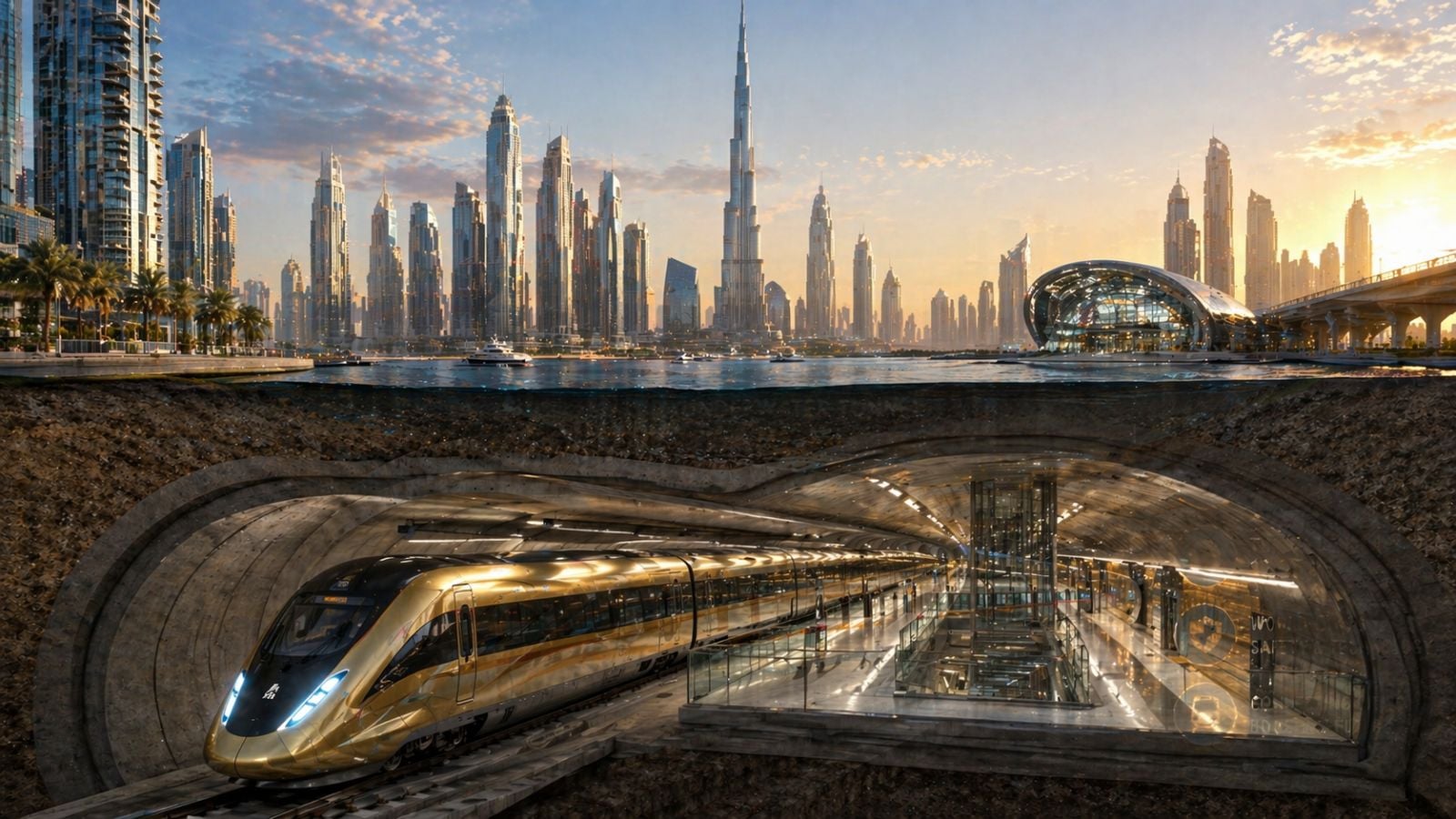
We often talk about the "Greater Bay Area" as a bureaucratic term, a map drawn by planners in an office. But on the ground, it looks like a seamless blur of high-speed rail and WeChat Pay transactions.
A entrepreneur can have breakfast in his villa in Guangzhou, take the train to West Kowloon for a lunch meeting with his hedge fund manager, and be back home in time for dinner. This proximity is the "killer app" that Singapore, for all its brilliance, cannot replicate. You cannot move a city closer to the source of its wealth.
The rise in numbers we see in the headlines is the result of this integration. The "border" is becoming a skin rather than a wall—porous, protective, and vital.
The Weight of the Future
As our meeting ends, Mr. Chen doesn't look like a man who has "won." He looks like a man who is carrying a very heavy backpack.
The rise of the ultra-wealthy in Mainland China and the accelerated growth of Hong Kong are two sides of the same coin. One is the engine; the other is the gearbox. Without the gearbox, the engine revs until it breaks. Without the engine, the gearbox is just a collection of useless parts.
The numbers tell us the machine is humming. They tell us that despite the whispers of decline, the concentration of capital in this corner of the world is reaching a critical mass.
Wealth is a ghost. It moves silently, it haunts those who possess it, and it flees at the first sign of trouble. Right now, that ghost is making its home in the high-rises overlooking Victoria Harbour. It is settling in, unpacking its bags, and preparing for a very long stay.
Mr. Chen stands up, finally stops checking his watch, and looks out at the water. The ferries are crossing back and forth, tireless and rhythmic, carrying people between two worlds that have finally realized they cannot survive without each other.