Salt spray freezes against the windowpane faster than a wiper can clear it. Out here, the Gulf of Alaska does not care who you are. It does not care about your stock portfolio, your valuation metrics, or the digital empire you built from a Harvard dorm room. The water is leaden, churning, and indifferent.
Imagine looking out into that gray vastness from the deck of a vessel worth three hundred million dollars.
Launch Deck. Helipad. Custom pools. Silence.
Not long ago, a smaller craft drifted in those very waters. Engine trouble. A dead battery in a region where cell service is a distant rumor and the tide pulls you steadily toward jagged rock. You wait. You watch the horizon. You look for a silhouette, any silhouette, that can throw a line and tow you back to breathing room.
Then, a floating leviathan cuts through the swell. It costs more than a small town's annual budget. It has the horsepower to drag a barge. It passes by.
Cold.
The silence that follows isn't peaceful. It is damning.
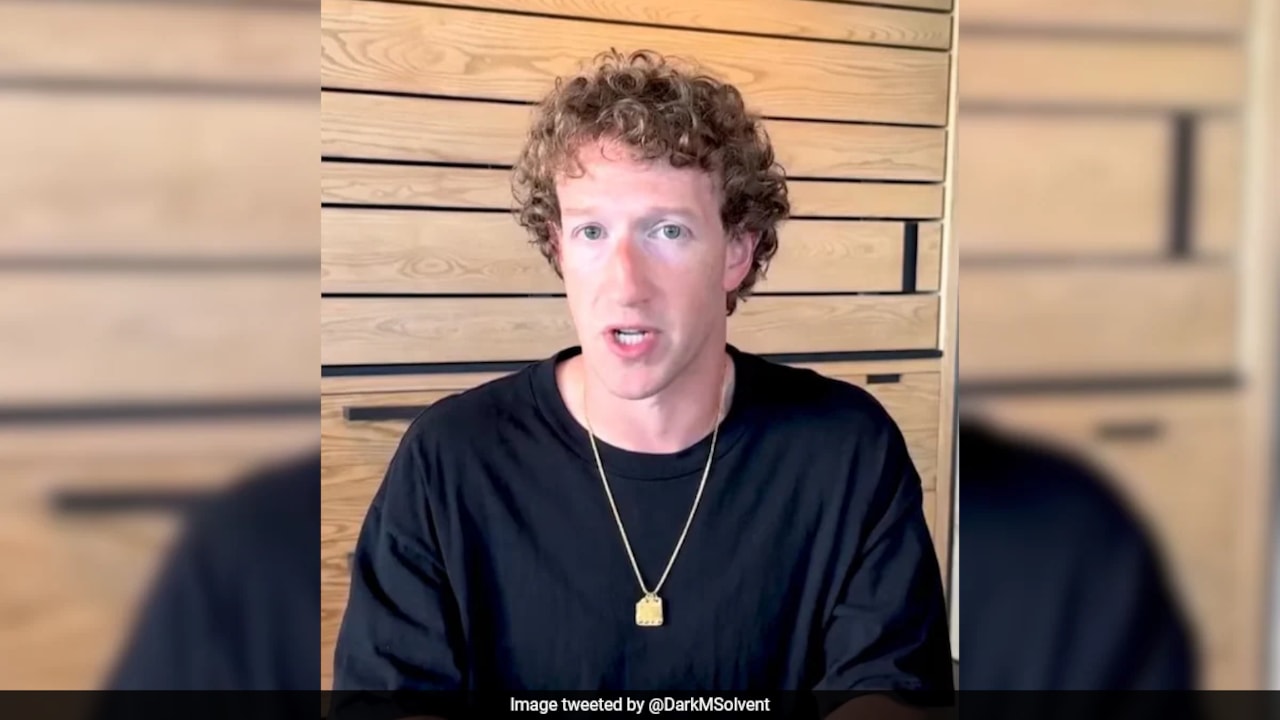
We live in an era of staggering excess. Superyachts have become floating islands for the ultra-wealthy, massive monuments of polished steel and tinted glass that dwarf commercial fishing boats and local coast guard cutters alike. When Mark Zuckerberg’s massive custom yacht, Launchpad, found itself making waves—literally—in northern waters, people expected something different. They expected a modern myth of rescue. A billionaire swooping in to save the day, a cinematic moment where supreme wealth translates directly into immediate, human grace.
Instead, the stories came back with a different flavor. Criticism mounted not because the yacht broke maritime laws—it didn't—but because of the glaring contrast between total capability and absolute inaction.
Consider what happens when power exists in a vacuum.
For centuries, maritime tradition was built on an unwritten, ironclad law of the sea: you help. If a ship is in distress, you turn the wheel. It did not matter if you were a humble cannery tender or the captain of a royal schooner. The ocean is too big, and human life is too fragile, to afford the luxury of turning a blind eye. The sea strips away titles. It leaves only survivors.
Yet, modern ultra-luxury changes the math. When your boat is outfitted with missile-detection systems, bulletproof glass, and a crew trained in high-net-worth discretion and security protocols, interacting with an ordinary stranded boater becomes a liability. Insurance policies, privacy clauses, liability forms, and corporate management layers form an invisible armor around the billionaire class. They aren't just protected from the elements; they are insulated from humanity.
The human element vanished behind tinted windows.
Think about the crew on that stranded boat. The sudden knot in the stomach when the starter motor clicks and nothing happens. The sudden realization that help is not just around the corner because the nearest town is hours away by air and days away by hull. They are scanning the horizon, watching multimillion-dollar floating palaces glide past like luxury liners indifferent to a sinking canoe.
This is the hidden cost of scaling wealth beyond human proportions. It creates a psychological moat.
When you spend three hundred million dollars on a private vessel, you are not just buying a boat. You are buying a fortress. You are purchasing the ability to curate your reality so thoroughly that you never have to look at grit, rust, or desperation unless it appears on a curated screen in your private cinema room.
And that is why the criticism stung.
It wasn't merely about a single missed towing opportunity in Alaskan waters. It was about the symbolism of a floating fortress cruising past human vulnerability without a ripple of engagement. It highlighted a growing chasm in our world. On one side, ordinary people face the raw, unscripted hazards of existence with duct tape, failing batteries, and stubborn resilience. On the other, a privileged few float above it all, encapsulated in sterile perfection.
The engine starts again, eventually, for the stranded souls. They limp back to port on their own terms, battered by the wind and hardened by the cold.
Further north, the superyacht anchors in a secluded bay, completely untouched by the spray.
The horizon stretches out, gray and infinite, waiting to see who learns the lesson first.
:max_bytes(150000):strip_icc()/ar-American-Cheese-taste-test-horizon-4x3-54cc339550cd44b9a818c17bdfd5428d.jpg)