The marble of the United Nations headquarters in New York has always been cold. It is designed to be. It is a monument to restraint, engineered to absorb the heat of human fury and turn it into dry ink on parchment, into resolutions that pass in whispers, into the measured cadences of diplomats who have never smelled cordite.
Then came the speech. Meanwhile, you can explore other events here: Why the New Gaza Reconstruction Blueprint Changes Everything.
It was not delivered from the shadows or across a flickering monitor of a command bunker under siege. It was spoken into the open air of the General Assembly, beneath the great green mural of rebirth and renewal. Iran’s President stood before the microphones to declare a simple, devastating inversion of the global narrative: his nation was not merely the architect of regional conflagration; it was the victim of state-sponsored terror.
Consider the weight of that word. Terrorism. We are conditioned to associate it with the hidden cell, the midnight backpack, the anonymous message left in the rubble of a cafe. We do not often attach it to the hum of a supersonic drone or the silent arc of a precision-guided missile falling from twenty thousand feet. Yet, language is the first casualty of war. When every state actor adopts the vocabulary of the aggrieved, the truth splinters into a thousand subjective mirrors. To explore the bigger picture, we recommend the excellent report by Al Jazeera.
To understand the resonance of that rare wartime address, you have to step away from the podium and look at the streets beneath the rhetoric.
Imagine a neighborhood in Tehran or Isfahan. The air smells of dust and roasted sunflower seeds, the ordinary scent of an afternoon that refuses to yield to panic. A woman named Zahra walks home from the market, balancing a plastic bag of pomegranates. She is sixty-two. Her hands have the papery texture of a life spent washing clothes by hand in the older quarters of the city. She does not care about geopolitical leverage or the precise enrichment levels of uranium centrifuges. She cares about her grandson’s cough and whether the pharmacy three blocks down still carries the imported blood pressure medication her husband needs.
When the news flash hits the television screen in the corner shop—the grainy footage of a strike hundreds of miles away, the official government pronouncements of retaliation—Zahra does not feel like a member of a threatening regional hegemon. She feels small. She feels the terrifying, hollow vertigo of a civilian whose life has been turned into a bargaining chip by men in expensive suits continents away.
That is the invisible stake of the United Nations. It is not the speech itself, but the gulf between the microphone and the kitchen table.
For decades, the diplomatic playbook has relied on a shared grammar. Nations negotiate interests; they posture; they threaten economic sanctions; they step back from the brink just as the heels of their boots graze the precipice. But this war is different. It is porous. It bleeds across borders through cyberspace, proxy militias, and economic strangulation that leaves supermarket shelves bare long before the first bomb drops.
When the Iranian delegation took the floor during this wartime session, they were performing a dual act. Domestically, the address was an anchor thrown into a churning sea of inflation, civil discontent, and generational exhaustion. It was a message to the population: We see your suffering, and we name the monster outside our gates. Internationally, it was an effort to rewrite the script of culpability. How do you convince a skeptical world that you are bleeding while your own neighbors point to your fingerprints on every proxy fire in the Middle East?
You point to the rubble. You point to the targeted assassinations of your scientists. You point to the sanctions that deny a child an antibiotic under the clinical guise of commerce restriction.
It is a masterclass in narrative inversion. And it works because war is no longer fought solely with artillery. It is fought in the theater of perception.
Let us be entirely clear about the mechanics of this conflict. Every government involved writes its own mythology of self-defense. To Washington and its allies, the Iranian state is the primary engine of instability, a sponsor of armed networks stretching from the mountains of Lebanon to the ports of Yemen. To Tehran, the United States and Israel form an existential vise, tightening year by year, turning ordinary economic life into a slow-motion siege.
Both narratives are saturated with selective memory. Both ignore the human collateral at the center of the web.
When a nation tells the world it is a victim of terror from the highest stage on Earth, the psychological reverberation is immediate. It hardens domestic resolve. It transforms hesitation into fierce, desperate patriotism. The baker who thought his government was corrupt suddenly finds himself wrapping his identity in the flag because the alternative—acknowledging that your own leaders might share the blame for your misery—is too agonizing to bear.
This is the tragedy of the modern state. It manufactures enemies to preserve its own coherence, and in doing so, it devours the people it was sworn to protect.
We have watched this script before. It played out in the dusty aftermath of the 2003 invasion of Iraq. It played out in the hollowed-out concrete shells of Syrian cities where every faction claimed to be fighting an existential war of survival against external monsters. The actors change their costumes, but the choreography remains identical: the leaders speak of martyrdom and historical destiny; the citizens bury their dead and wonder how much a sack of flour will cost tomorrow.
The President’s speech at the UN was not a peace offering. It was a declaration of ideological war, an insistence that the narrative of victimhood does not belong exclusively to the West. In the cold geometry of international relations, claiming the moral high ground of the victim is the most potent weapon left in the armory. It justifies escalation. It silences internal dissent. It makes compromise look like treason.
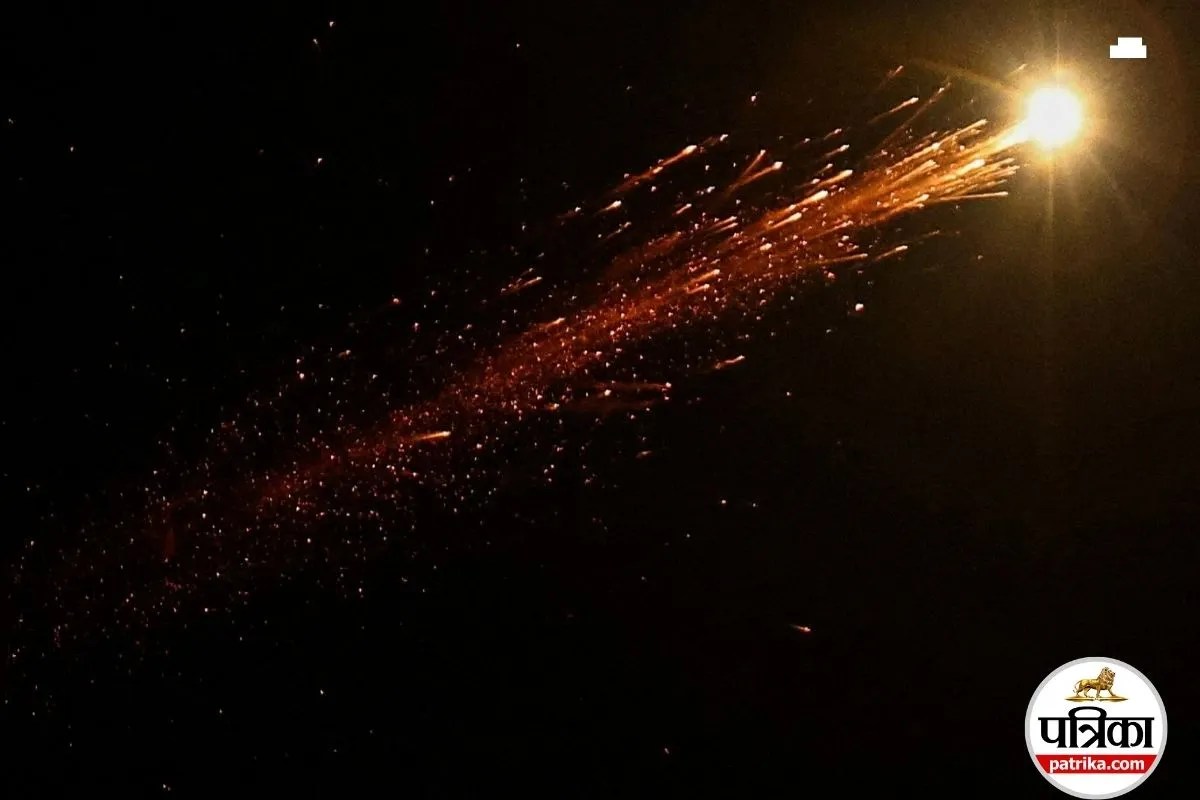
As the translators packed up their booths in New York and the delegates drifted out into the crisp autumn air of Manhattan, the applause faded into silence. The resolutions remained unpassed. The sanctions remained in place. The drones continued their silent patrols over dark waters thousands of miles away.
In a quiet alleyway in Tehran, Zahra turned off her television. The room grew dim as the evening sun slipped behind the jagged silhouette of the Alborz mountains. She reached out and touched the glass of water on her bedside table, feeling the slight tremor in her fingers—not from fear of a falling bomb, but from the quiet, relentless exhaustion of waiting for a storm that never seems to break.