The New Reality of Rice Supply
The global food supply chain is incredibly fragile. Rice is the most important staple for billions of people across the globe. Right now, this critical grain is under extreme threat. We aren't looking at a temporary dip in production. We are facing a structural crisis. The intersection of severe climate patterns and unpredictable geopolitical conflicts has turned a manageable surplus into a dangerous strain.
I have spent years analyzing agricultural commodities and supply chain logistics. I have watched markets react to massive shocks. The current situation with rice is entirely different from past agricultural crises. It touches the lives of everyday consumers and massive food conglomerates alike. You cannot simply ignore it. Let's look at why the world's rice supply is struggling. We will explore exactly how the combination of weather anomalies and regional conflict is driving prices to record highs in 2026.
The Science Behind the El Niño Weather Pattern
Weather remains the biggest wild card in modern agriculture. El Niño brings warm water to the Pacific Ocean. This phenomenon disrupts global weather systems in predictable yet devastating ways. Southeast Asia experiences severe droughts and below-average rainfall during an El Niño event.
Rice needs an incredible amount of water to grow. It thrives in flooded paddies. When the monsoon rains fail, the consequences are immediate and disastrous. Countries like Thailand, Vietnam, and India produce a massive chunk of the world's rice. When their fields dry up, global yields plummet.
The 2026 El Niño cycle has been particularly brutal. Reservoirs across Southeast Asia are sitting at historic lows. Farmers are rationing water for irrigation. Some have completely abandoned their planting cycles for the current season. They simply cannot afford to lose their investment on dry, cracked soil. This is not just a theoretical risk for farmers. It is a physical loss of crops. The market knows this. Prices have climbed steadily as a result of these shortages.
In Indonesia, the drought forced the government to increase its rice imports significantly. This move caught the market off guard. Indonesia is usually self-sufficient or close to it. When a large producer becomes a major buyer, the entire balance shifts. The surplus vanishes. Prices jump higher.
Geopolitical Tremors in the Middle East
The conflict involving Iran is more than just a regional issue. It affects the price of everything you buy, including your food. Oil is the lifeblood of global shipping. When tensions rise in the Middle East, shipping companies face immense risks. They change their routes to avoid conflict zones altogether.
The Strait of Hormuz is a critical chokepoint. Oil tankers and cargo ships move through this narrow passage every single day. A disruption there forces ships to take longer, more expensive routes. These detours around the Cape of Good Hope add weeks to transit times. They also burn massive amounts of fuel along the way.
The cost of freight has skyrocketed as a result. Shipping a container of rice from Asia to Europe or the Americas is now significantly more expensive. The insurance premiums for vessels entering high-risk zones have exploded. These added costs are passed down the chain. They land on the consumer in the form of higher grocery bills.
The situation in the Red Sea and the Bab-el-Mandeb strait creates similar bottlenecks. Ships passing through the Suez Canal face delays or must divert. Agricultural commodities like rice are not immune to these shipping delays. When freight costs spike, the margins for traders disappear. They demand higher prices to compensate for the operational risk.
The Fertilizer and Energy Squeeze
You cannot grow high-yield rice without fertilizer. Producing fertilizer requires vast amounts of natural gas and petroleum products. The conflict in the Middle East has severely disrupted energy markets. This has pushed natural gas and oil prices to uncomfortable levels for agricultural producers.
Fertilizer companies cannot absorb these massive price increases. They pass them directly onto farmers. Smallholder farmers in Asia are hit the hardest by these price hikes. They cannot afford the inflated prices. As a result, they use less fertilizer or abandon their crops altogether.
Using less fertilizer means lower crop yields per hectare. Even if the weather is perfect, a lack of nutrients in the soil guarantees smaller harvests. This creates a double whammy for the global rice supply. You have less water and fewer nutrients available for the crop. The soil quality degrades, and the plant cannot produce the same amount of grain.
Nitrogen-based fertilizers are the most affected. They rely entirely on natural gas through the Haber-Bosch process. When energy prices rise, the cost of fertilizer tracks that increase immediately. Farmers in India and Thailand have voiced their frustration over the rising costs. They are forced to reduce application rates. This directly translates to lower output.
The cost of energy is not just about the ships. It is about the entire agricultural input sector. Ammonia is the base for nitrogen fertilizers. It requires huge amounts of natural gas to synthesize. When the Middle East conflict restricts gas supplies or drives up prices, ammonia plants cut production. They cannot operate profitably at current input costs. This means the shortage is not just about logistics. It is a fundamental lack of supply for the coming harvest.
The Danger of Export Bans and National Protectionism
When countries panic about food security, they look inward. India implemented severe restrictions on the export of non-basmati white rice. They did this to keep domestic prices stable and ensure their own population has enough to eat during the El Niño cycle.
Other countries are following suit. Vietnam and Thailand are tightening their export quotas. This behavior triggers a wave of panic buying in the global market. Countries that rely entirely on imported rice start stockpiling. They buy more than they need to protect themselves against future shortages.
This hoarding behavior drains the available supply rapidly. It drives prices up even faster. The global surplus of rice that existed a few years ago has completely evaporated. It has been replaced by an aggressive competition for every available ton on the market.
For import-dependent nations, this is a dangerous scenario. Countries in West Africa, such as Senegal and Cameroon, rely heavily on Asian rice imports. When prices rise, their foreign exchange reserves are drained. They struggle to feed their urban populations. This creates social unrest and political instability. The food crisis becomes an economic and political crisis.
Logistics and the Broken Supply Chain
Moving rice from the field to your plate requires a complex, delicate system of logistics. Ports, shipping containers, and trucking networks must work together perfectly. Right now, that system is under incredible stress.
There is a severe shortage of shipping containers in key Asian ports. The rerouting of ships around Africa has created massive bottlenecks at major hubs. Ships are arriving late. Ports are congested with delayed vessels. The turnaround time for containers is double what it used to be.
This physical barrier means that even if the rice is available, it cannot move quickly to the market. The delays cause spoilage. They also drive up storage costs at port facilities. The entire supply chain operates on thin margins. When those margins are squeezed by logistics costs, the end price must rise for the consumer.
In Thailand, port congestion has delayed shipments by several weeks. Buyers cannot get the inventory they need on time. This creates a panic in the spot market. Traders bid up the prices of readily available rice. The resulting inflation is passed down to wholesalers and retailers.
Analyzing the People Also Ask Questions
People have many questions about the current rice crisis. Let's address the most common concerns directly. You need clear answers to make sense of the chaos in the agricultural markets.
Why is rice so expensive right now
The price of rice is high because production has dropped due to El Niño droughts. At the same time, geopolitical conflict in the Middle East has driven up shipping and fertilizer costs. Major exporting nations have also restricted shipments to protect their own food supplies.
How long will this rice crisis last
The crisis will likely continue well into late 2026. The weather patterns take months to shift. Geopolitical tensions are unpredictable. It takes multiple growing seasons to rebuild depleted global stockpiles.
Which countries are affected the most
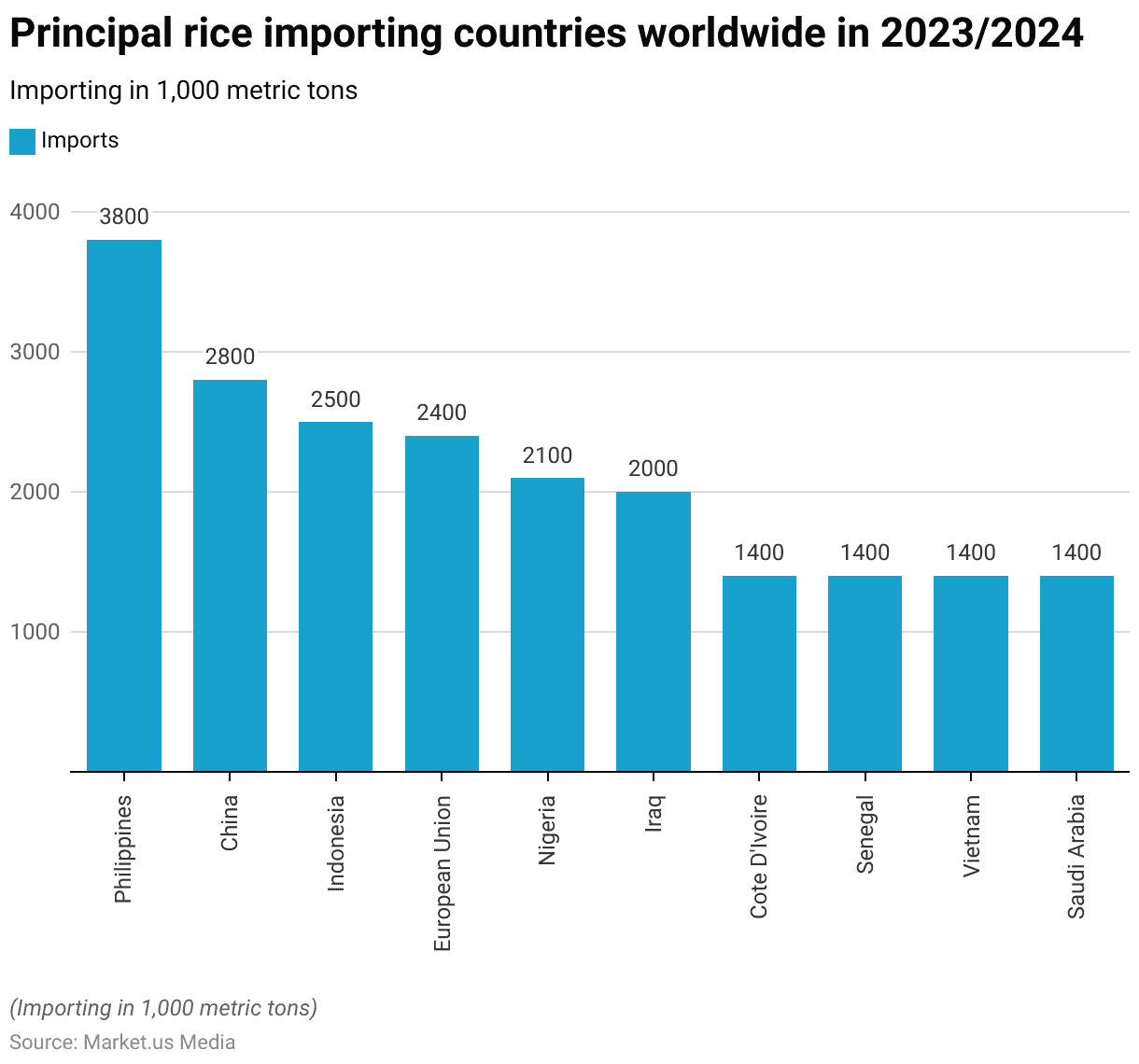
Import-dependent nations in Africa and the Middle East are the most vulnerable. Countries like Nigeria, Saudi Arabia, and Iraq rely heavily on Asian rice. They face the highest price increases. This threatens food security for millions of people.
What You Should Do Right Now
You cannot fix the weather or end wars. You can, however, prepare for the ongoing crisis. Here are practical steps you can take to protect yourself or your business.
Diversify Your Suppliers
Relying on a single source of rice is a massive risk. You need to build a network of regional suppliers. Look for sources outside the main Asian exporting hubs when possible. This reduces your exposure to local export bans and climate disasters.
Lock in Long-Term Contracts
If you run a food business, price volatility will destroy your margins. Talk to your suppliers about locking in fixed-price contracts for the next six months. It gives you financial predictability in a chaotic market.
Reduce Food Waste
Rice is wasted at every stage of the supply chain. You can optimize your inventory management to reduce spoilage. Buy only what you need and store it in cool, dry conditions to maximize shelf life.
Explore Alternative Grains
Consider mixing or substituting rice with other grains. Wheat, barley, and quinoa can replace some of your consumption. This reduces your reliance on the volatile rice market. The market is adjusting rapidly, and you must adapt too.
Take control of your purchasing decisions today. Do not wait for prices to hit new records. Prepare your supply chain now and protect your bottom line.