The federal government is holding onto $166 billion of your money, and it's putting up a massive legal fight to keep it.
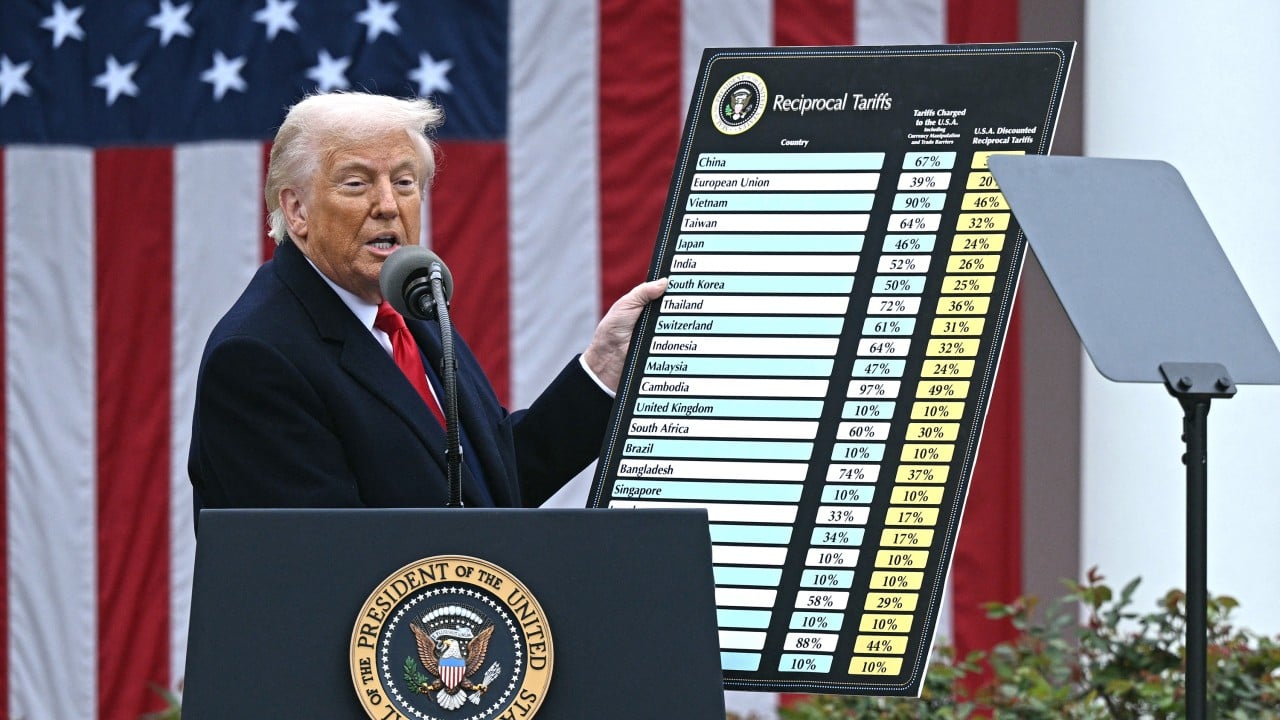
If you run an import business, you probably celebrated back in February when the Supreme Court ruled that President Trump’s sweeping global tariffs were completely illegal. The high court made it clear that the administration overstepped its constitutional bounds by using emergency economic powers to slap duties on almost every country on Earth.
But winning the legal argument didn't automatically trigger a bank transfer. Instead, it kicked off a brutal turf war over who actually gets their cash back.
Right now, a massive tug-of-war is playing out between the Court of International Trade and the Department of Justice. Judge Richard Eaton ordered Customs and Border Protection (CBP) to issue a blanket refund to every single importer affected by the illegal levies. The Trump administration responded with an aggressive counter-punch, formally appealing the order to a higher circuit court.
Here is the bottom line. The government doesn't want to give back the cash, and they are using technicalities to shut out small businesses that can't afford a massive legal battle.
The $166 Billion Automatic Refund Trap
When the Supreme Court struck down the tariffs, they left out one crucial detail. They didn't specify exactly how or to whom the government should give back the money.
When the case landed back down at the Court of International Trade, more than 2,500 importers filed individual lawsuits demanding their money. Seeing the logjam, Judge Eaton stepped in and issued a universal injunction. His logic was simple. The collection was unlawful, so the government needs to refund everyone who paid it, regardless of whether they sued.
The White House hates this approach. Government lawyers argue that Judge Eaton completely exceeded his authority. They claim that if your business didn't formally file an independent lawsuit in the trade court, you don't have a right to an automatic check.
If the government wins this appeal, it sets up a brutal double standard.
Large corporations with dedicated legal teams can easily manage the paperwork to claw back their millions. But what about the small family business or the niche mid-sized importer? If you didn't spend thousands of dollars on a customs lawyer to file a formal complaint, the government's position is that they get to keep your money. They are banking on the fact that thousands of smaller businesses will simply write off the loss rather than pay for protracted litigation.
Behind the Tech Problems and Phased Payouts
CBP claims they simply aren't built to hand out this much money all at once. They say they need extensive technological upgrades to recalculate final tax bills for older accounts.
To cope, the agency deployed a new digital gateway called the CAPE tool. It started processing some payouts, but it has a massive flaw. The system is set up to handle only two types of imports:
- Entries that are still "unliquidated" (meaning the final duty hasn't been officially settled).
- Entries that were finalized less than 80 days ago.
That leaves out a massive chunk of historical trade. According to CBP’s own data, this software limitation leaves about 37% of all the illegal tariff transactions completely locked out of the automated system.
The agency filed a progress report showing they accepted $85 billion in claims for processing through this tool, with about $20.6 billion approved for actual disbursement. That sounds like a lot of cash, but it means well over $100 billion is still sitting in government vaults.
The Forced Testimony Showdown
Judge Eaton isn't buying the logistical excuses. He's growing visibly impatient with the slow pace and the technical gaps leaving smaller importers stranded.
The frustration boiled over when the judge ordered CBP Commissioner Rodney Scott to show up in court in person to explain why the government shouldn't be forced to do whatever it takes to accelerate the payouts.
The Department of Justice immediately panicked. They filed an emergency motion to block the order, arguing that a high-ranking presidential appointee shouldn't be dragged into a courtroom to testify. They tried to send lower-level deputies instead.
Judge Eaton fired back directly, noting that the case involves a staggering amount of money and the remedy for illegal collection is simple. Give it back.
This specific side-battle over who has to testify is heading straight to the US Court of Appeals for the Federal Circuit. It shows just how personal and tense this multi-billion-dollar corporate fight has become.
Real Cash Flow for the Real Economy
This isn't just an abstract legal battle over accounting balance sheets. This money matters immensely to the daily survival of American companies.
Take a look at how different businesses are handling the trickling refunds. Big retail operations are using the money to alter consumer pricing. Walmart’s Chief Financial Officer, John David Rainey, shared that the company plans to use its upcoming refunds to drop prices on specific items. For a company that massive, the refund represents less than half of one percent of its domestic sales, but it still moves the needle for everyday shoppers.
For smaller businesses, it's a matter of staying solvent. Toy manufacturer Basic Fun has received about $450,000 so far. While that sounds great, CEO Jay Foreman pointed out that it represents a meager 7% of their total claim, calling the government's payout strategy a total slow roll.
Other founders are facing similar roadblocks. Melkon Khosrovian, owner of Greenbar Distillery in Los Angeles, applied for a $90,000 refund covering various shipments of imported herbs and packaging materials. He's only seen $18,000 of it.
Every week the government drags out this appeal is another week that American businesses are forced to carry debt, stall hiring, or hold off on buying inventory.
What Importers Must Do Right Now
Don't wait around for the government's appeal to fail. Assuming that the system will magically take care of you is the easiest way to lose your cash forever.
First, log into your customs portal or contact your broker immediately. You need to audit every single entry affected by these emergency tariffs. Pull the exact dates and find out which shipments are liquidated and which are still open.
Second, don't rely purely on the CAPE tool if your shipments fall into that older 37% category. If the government wins its appeal against the universal injunction, only companies with active legal claims will get their money back. Talk to an experienced trade attorney to determine if you need to file a protective suit in the Court of International Trade before time runs out.
The government is betting that you'll stay passive. Prove them wrong by locking down your data and securing your legal rights today.