Maria sits in a cramped apartment in São Paulo, listening to the steady hum of a ceiling fan that barely moves the heavy, humid air. Before her on a scarred wooden table sits a stack of cardboard boxes. Inside are phone chargers, miniature screwdrivers, and birthday gifts she ordered weeks ago. For months, she worried about the envelope that usually accompanied these deliveries—the one bearing the dreaded customs tax notice, demanding a ransom just to claim items that cost less than a tank of gas.
Then, the rules changed.
Across the globe, doors slammed shut. Giant digital storefronts that once fed cheap consumer goods directly into Western markets suddenly found themselves locked out, facing towering walls of protectionism and sudden policy reversals in Washington and Brussels. Yet, while the North erected tollbooths, South America did something radical. Brazil scrapped its tax on small parcels altogether.
Shift.
Just like that, the tectonic plates of international commerce moved.
To understand why this matters, you have to look past the dry spreadsheets of trade deficits and watch the human currents underneath. For years, massive e-commerce operations based in Asia relied on a simple formula: bypass traditional importers, ship directly via airmail, and exploit old postal exemptions designed for letters, not commercial trade. It was a golden age of frictionless shopping. A factory worker in Shenzhen could pack a Bluetooth speaker, send it across an ocean, and watch it land on Maria’s doorstep for the price of a cup of coffee.
Then the fortress walls went up. The United States and the European Union, overwhelmed by mountains of low-cost imports and mounting pressure from domestic industries, began dismantling the loopholes. They targeted the de minimis thresholds—the value limits below which goods entered tax-free. They added fees, tightened customs inspections, and effectively choked off the easy flow of budget parcels into Western capitals.
Billions of dollars in inventory suddenly needed a new home.
Consider what happens next: When water hits a dam, it does not stop. It rises until it finds a crack.
Brazil became that crack. Facing domestic inflation and a populace hungry for affordable goods, policymakers made a counterintuitive bet. Instead of building higher walls, they cleared the path. By removing taxes on small parcels, Brasilia inadvertently sent out an open invitation to every displaced shipping container and rerouted cargo plane currently searching for an open market.
(Note: This transition of capital and shipping volume is a structural shift, not a temporary marketing blip. The data mirrors the early days of digital platform expansion, but with a distinctly localized protective twist.)
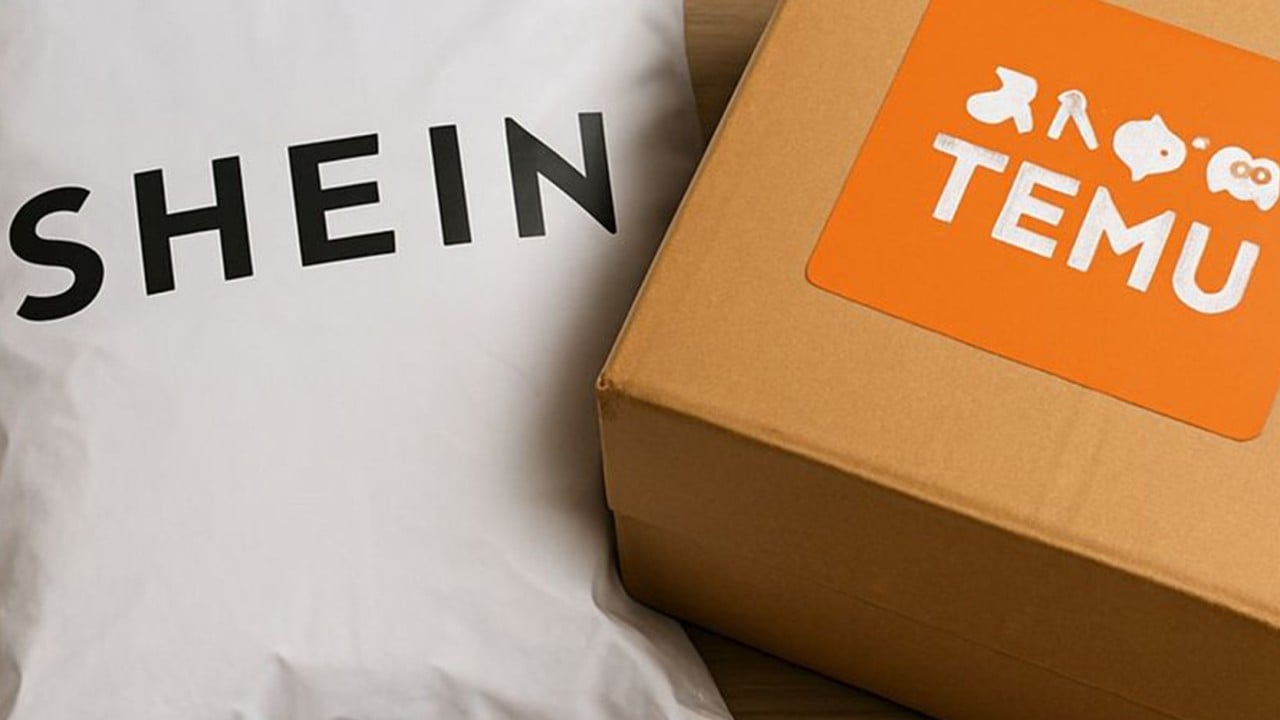
The immediate beneficiaries are obvious. Budget-friendly platforms like Shopee, AliExpress, and Shein—suddenly unwelcome or heavily burdened in the global North—pivoted their logistics engines southward. Cargo routes that once terminated in Los Angeles or Rotterdam are now heavily concentrated toward Viracopos and Guarulhos.
Cargo planes land heavy. Warehouses swell.
Yet, the human story is far more complex than corporate giants finding a new playground. For the local Brazilian merchant, the small-business owner running a boutique shop out of a garage in Curitiba, this sudden influx of tax-free foreign competition brings a knot of anxiety. How do you compete with a factory-direct supply chain that pays zero import tariffs when your own local taxes, municipal permits, and shipping costs eat half your margin before you even sell a single item?
Progress has teeth.
Maria doesn't think about trade deficits when she opens her package. She thinks about purchasing power. In an economy where inflation has routinely strained family budgets, getting essential household items without paying double their value in bureaucratic tribute feels like a rare victory. She is part of a vast, digitally native consumer class that views global trade not as a threat to national sovereignty, but as a lifeline for daily survival and modern comfort.
The policy pivot also exposes a fascinating paradox in modern geopolitics. While major superpowers rush toward economic nationalism, attempting to decouple and isolate their markets through tariffs, the largest nation in Latin America chose integration. It accepted the flood of cheap goods because the alternative—starving the consumer base of affordable modern conveniences—carried a much higher political cost.
Behind the corporate boardrooms and legislative chambers, the invisible infrastructure of the internet continues to rewrite geography. A click in a favela triggers a barcode scan in Guangzhou, which loads a pallet onto a cargo jet, which clears Brazilian customs without a penny of tariff extraction, which eventually lands in Maria's hands.
The old world relied on physical proximity. Factories needed to be near ports; stores needed to be near neighborhoods. The new world relies on algorithmic routing and regulatory arbitrage. When one door closes in the developed world, the digital economy simply recalibrates, seeking out the next open window where millions of waiting hands are ready to catch what falls through.
The boxes keep arriving. The fan keeps spinning. And the map of global trade is drawn anew, one zero-tax parcel at a time.