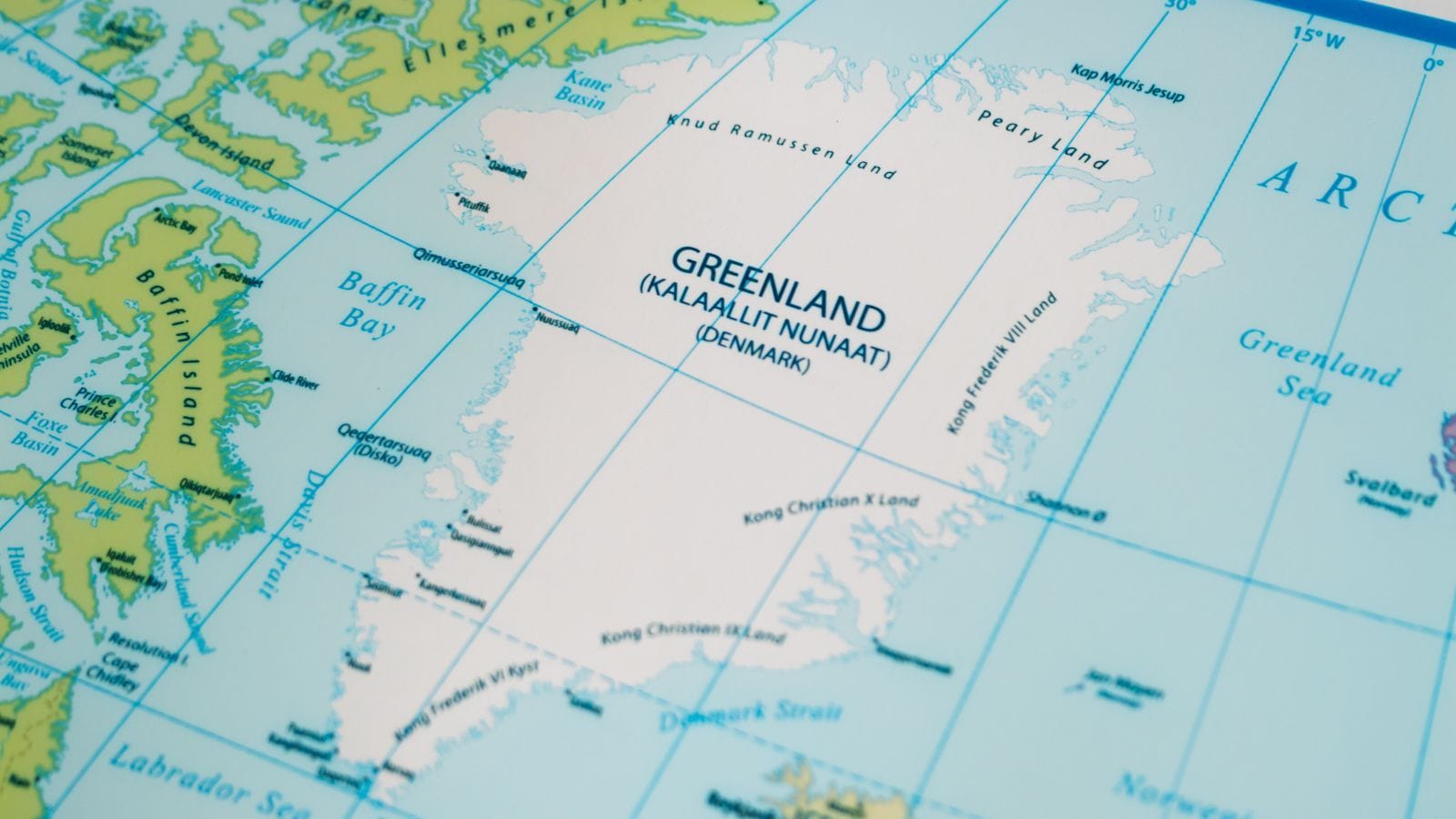
Arctic strategy is messy. When you look past the diplomatic handshakes in Nuuk and Washington, a very strange dynamic emerges. Greenland wants the economic muscle and defense umbrella of the United States, but decades of broken promises leave locals looking at every radar dome with a heavy dose of skepticism.
You can't talk about Greenland without talking about geography. It sits right in the middle of the shifting geopolitical chessboard between North America, Russia, and the expanding ambitions of China. As ice caps melt and new shipping lanes open up, everyone wants a piece of the High North. The United States has recognized this reality for a long time. Facilities like Pituffik Space Base (formerly Thule Air Base) anchor American early-warning missile detection right in Greenlandic territory.
Yet, when officials sign new defense cooperation frameworks, the headlines rarely capture the tension on the ground. People in Nuuk remember the Cold War era all too well. They remember when the Pentagon operated without much regard for local consent, and they certainly haven't forgotten the secret nuclear accident involving a crashed B-52 bomber near Thule in 1968. Trust isn't handed out for free up here. It has to be earned through accountability.
The Strategic Realities Driving the Pact
Why now? Why are Greenland and Denmark quietly expanding military ties with Washington?
The answer comes down to modern defense economics and sheer scale. Greenland has a population of roughly 57,000 people spread across a massive, icy landmass. They don't have a standing army. Defending thousands of miles of rugged coastline against advanced foreign vessels or submarines is impossible on their own.
Beijing has poured money into Arctic scientific research infrastructure and tried to finance local airport expansions in the past. Washington panicked. The US government stepped in with diplomatic pressure and direct funding offers to block Chinese foothold attempts. That rivalry created rare leverage for Greenland's self-rule government. They aren't just a passive bystander anymore. They are negotiating from a position of relative strength.
When you analyze the defense pacts being forged, a few patterns stand out. Washington wants absolute situational awareness in the Arctic corridor. Greenland wants local employment guarantees, environmental cleanup commitments, and real consultation rights before any new military footprint expands.
The Long Shadow of History
History leaves scars. If you want to understand why locals hesitate to roll out the red carpet for foreign troops, look at the mid-century relocations. During the Cold War, indigenous communities were moved off their traditional hunting grounds to make room for American military installations.
Those actions broke a social contract. Modern Greenlandic politicians know that any deep security partnership with the United States must respect home rule. They push for joint oversight committees and strict environmental protocols.
Here is what most foreign policy analysts miss. The average citizen in Nuuk or Sisimiut doesn't wake up worrying about great-power competition between Washington and Beijing. They worry about sustainable fishing quotas, climate change destroying traditional ice-travel routes, and whether their kids can find good jobs at home. When the US military brings construction contracts and infrastructure investments, it helps. When it brings international friction and environmental risk, it hurts.
Navigating the Future of Arctic Security
Managing this relationship requires walking a tightrope. Greenland is steadily marching toward full independence from Denmark. Foreign defense and security policy remain the last major hurdles in that transition.
By partnering with the US military, Greenland signals to the world that it can handle serious state-level responsibilities. But they also have to answer to a domestic population that fiercely values its sovereignty. Nobody wants to trade Danish oversight for American dominance.
The path forward demands transparency. Washington has to stop treating the Arctic merely as a chessboard for strategic competition. Real security comes from treating Greenlandic communities as equal partners rather than peripheral real estate. Until that mindset shifts entirely, the welcome will remain warm on paper and deeply cautious on the ground.