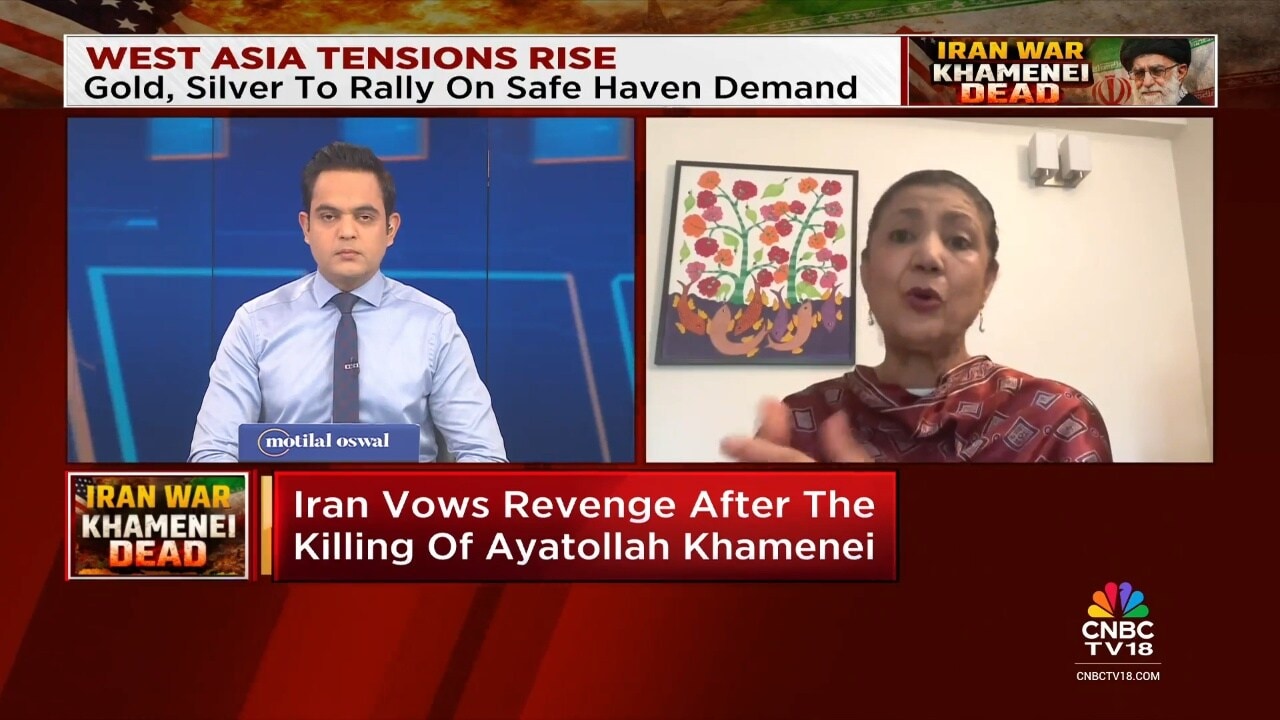
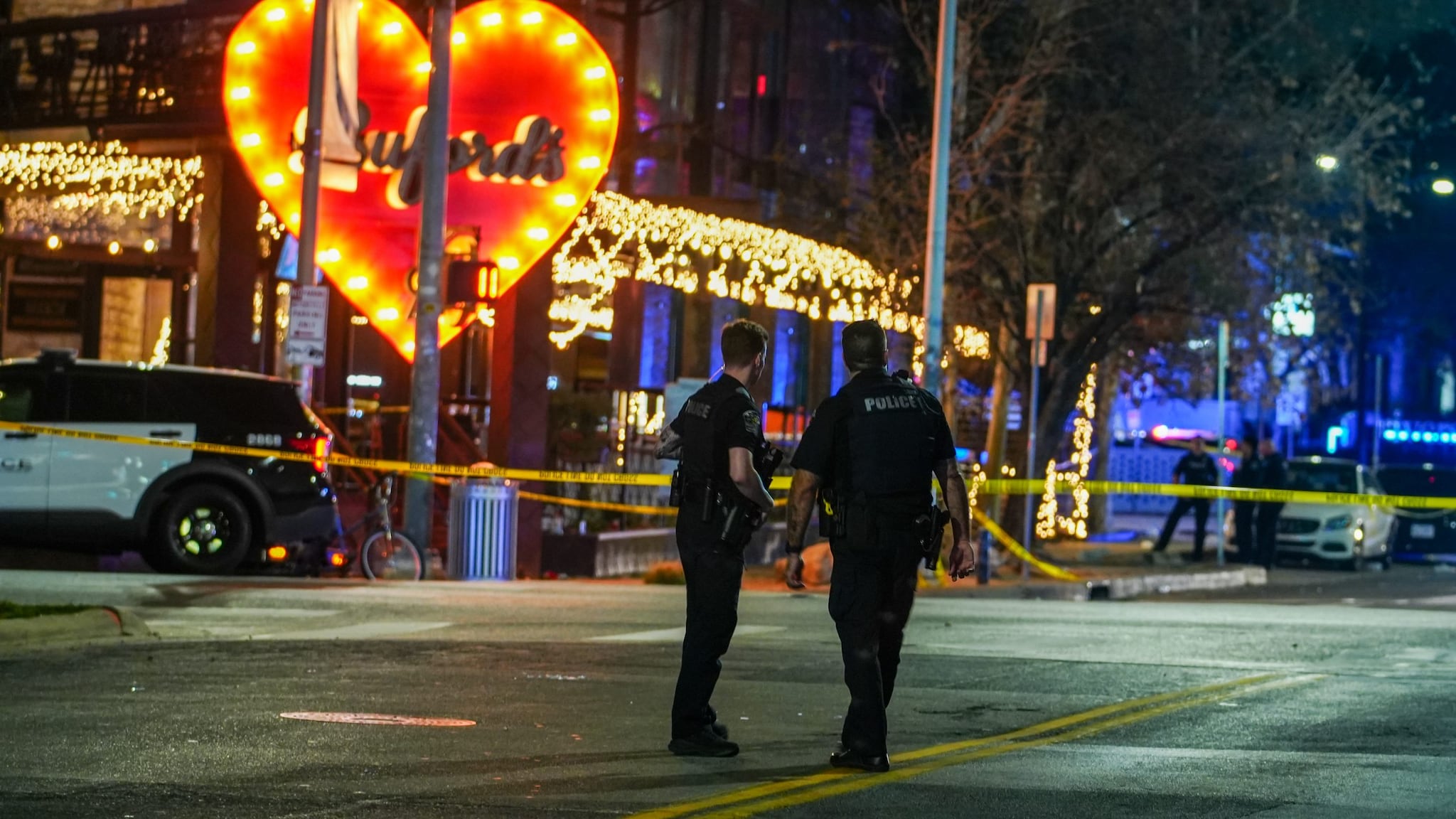
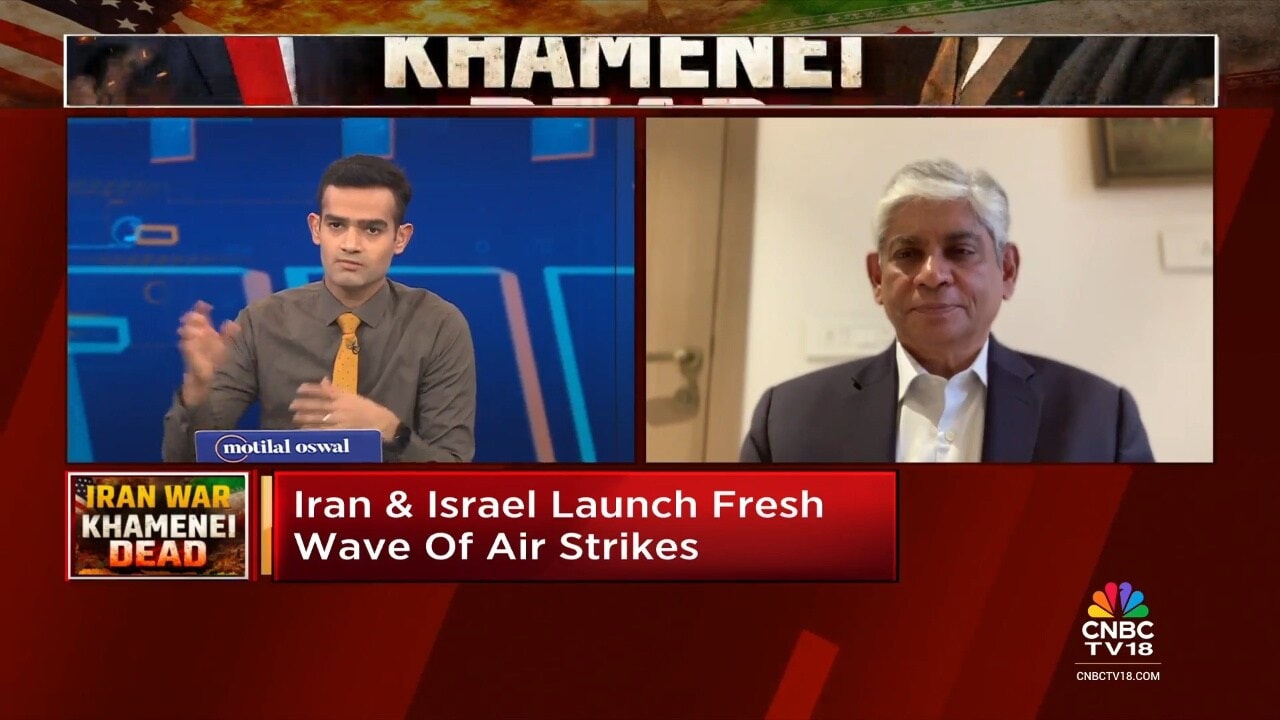
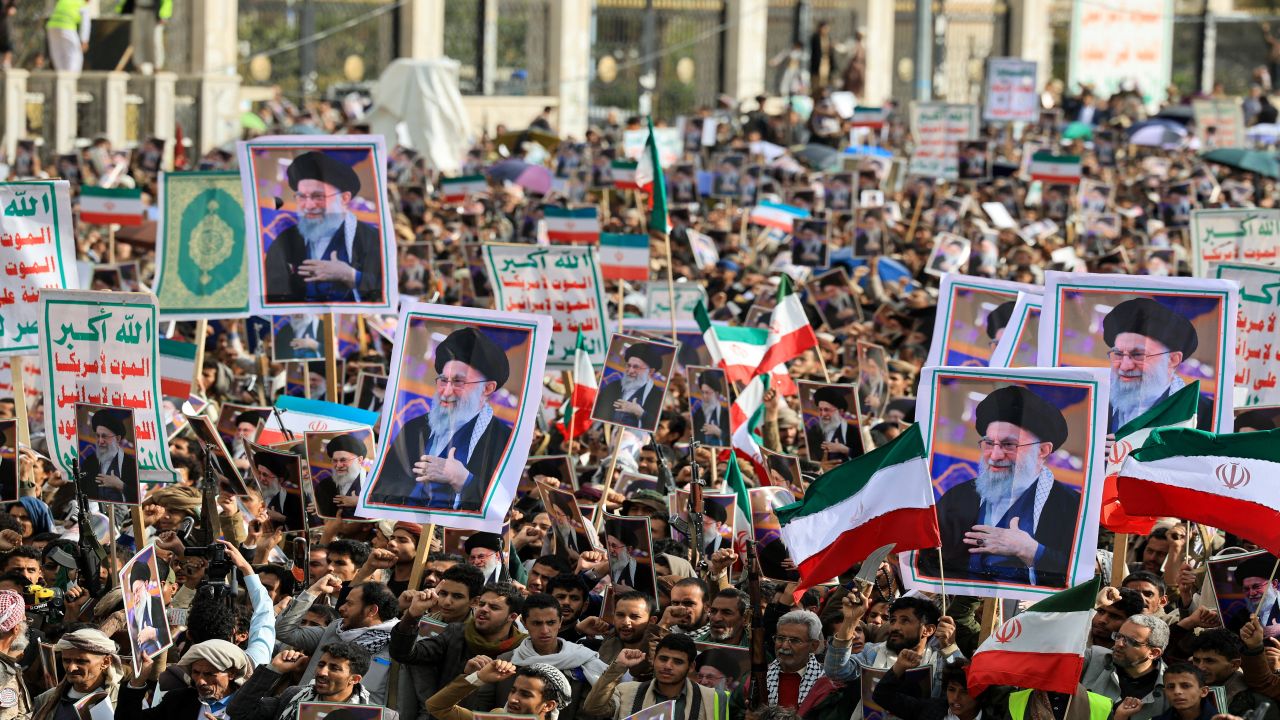
The headlines are screaming about a regional apocalypse. Dubai is rattled. Doha is on edge. Manama is under fire. The narrative being fed to you by every major news desk is simple: Iran has finally pulled the trigger, the "shadow war" is now a hot one, and the global energy supply is seconds away from a catastrophic meltdown.
They are wrong. Meanwhile, you can find other developments here: The Calculated Silence Behind the June Strikes on Iran.
If you’re reading this and checking your portfolio for defense stocks or panic-selling your REITs in the Emirates, you’ve already fallen for the lazy consensus. This isn't the beginning of World War III. It isn't even a conventional military escalation. What we are witnessing is the violent, kinetic manifestation of a geopolitical price negotiation.
The media focuses on the smoke rising from logistics hubs and the shattered glass in luxury high-rises. They miss the ledger. To understand what’s actually happening, you have to stop looking at these blasts as acts of war and start looking at them as high-stakes debt collection. To see the full picture, we recommend the excellent analysis by NBC News.
The Myth of the "Irrational Actor"
Every "expert" on your screen right now is painting Tehran as a cornered animal acting out of desperation. This is the first and most dangerous misconception. The Iranian security apparatus, specifically the IRGC’s external operations wing, is perhaps the most cold-bloodedly rational entity in the Middle East. They don't blow things up for "glory" or "religious fervor." They do it for leverage.
When a blast hits a logistics center in Dubai, the goal isn't to occupy the city. The goal is to spike the insurance premiums.
The Gulf Cooperation Council (GCC) economies are built on a fragile foundation of "perceived stability." The Burj Khalifa isn't just a building; it’s a monument to the idea that you can build a global financial hub in a volatile neighborhood and nothing will happen to it. By popping that bubble of perceived safety, Iran isn't trying to win a war—they are devaluing the competitor’s primary asset: their reputation as a safe haven.
I’ve spent years analyzing regional risk corridors, and I can tell you that a single low-cost drone strike that causes $50,000 in physical damage can erase $5 billion in projected foreign direct investment. That is the math of modern asymmetric conflict. It’s not about the "kill chain"; it’s about the "value chain."
The Doha-Manama Paradox
Why hit Doha and Manama simultaneously? The lazy take is that Iran is "lashing out" at everyone. The reality is far more surgical.
Doha has long played the role of the middleman, the Swiss-style neutral ground where the West talks to the people the West isn't supposed to talk to. By hitting Doha, Tehran is signaling that the "neutrality" tax has gone up. They are telling the Qataris that their ability to host US assets while maintaining a backchannel to Iran is no longer a free pass.
Manama, meanwhile, serves as the home of the US Fifth Fleet. Hitting Manama isn't an attempt to sink a carrier—that would be suicide. It’s a demonstration of the "porousness" of American protection. It’s a message to the Bahraini monarchy: "The Americans can protect their ships, but they can't protect your shopping malls."
The "Symmetric Response" Fallacy
Most analysts are waiting for a symmetric response—a Western or GCC strike back at Iranian soil. This shows a fundamental misunderstanding of the current theater.
If the US or the Saudis bomb an Iranian port, they confirm the state of war. This triggers a total shutdown of the Strait of Hormuz. Oil goes to $200 a barrel. The global economy enters a depression. Tehran knows the West cannot afford this.
Iran is playing a game of "Grey Zone" friction where they stay just below the threshold of an all-out conventional response while making the cost of the status quo unbearable for the Gulf monarchs. It’s a strategy of exhaustion, not annihilation.
Stop Asking if There Will Be a War
People also ask: "Is it safe to travel to Dubai?" or "Will oil prices stabilize?"
These are the wrong questions. You’re asking about the symptoms while the disease is rewriting the DNA of the region. The real question is: "Can the GCC model of 'Tourism + Finance + Oil' survive in a permanent state of low-level kinetic friction?"
The answer is probably no, unless they change the way they do business.
For decades, the Gulf has operated on the "Rentier State" model. You provide security and subsidies, and the population (and foreign investors) provide loyalty and capital. But security is now a variable, not a constant.
Imagine a scenario where these "blasts" become a monthly occurrence. Not enough to kill thousands, but enough to make "War Risk" insurance a permanent line item on every shipping manifest and hotel booking. The economic gravity of the region shifts. The capital begins to leak toward Singapore, London, or New York.
This is what Iran wants. They aren't trying to out-build the GCC; they are trying to make the GCC too expensive to maintain.
The Hidden Winners of the Chaos
While the world mourns the "stability" of the Gulf, follow the money.
- Energy Hedgers: Every time a blast is reported in Doha, the "fear premium" on Brent Crude jumps. Traders who are long on volatility are making a killing.
- Private Security Firms: We are about to see a massive privatization of Gulf defense. If the state can't stop a drone, the billionaire owners of these "Economic Zones" will hire their own kinetic intercept solutions.
- Alternative Logistics Hubs: If the Jebel Ali port in Dubai becomes a "high-risk zone," the shipping routes via the Red Sea or even the Arctic (as it melts) suddenly look more attractive.
The GCC has been the world's logistical golden goose for forty years. Iran is simply pointing out that the goose is in a cage, and they hold the key.
The Expertise Gap: Why Your News Feed is Lying to You
The people writing the articles you read are usually "Defense Fellows" at think tanks funded by the very industries that profit from arms sales. They want you to believe a massive war is coming because war requires buying more missile defense systems (which, as we've seen, are remarkably hit-or-miss against low-cost, low-altitude swarms).
They won't tell you that these "blasts" are often more about internal Iranian politics—factions within the IRGC proving their relevance to the Supreme Leader—than they are about a grand strategy to conquer the Arabian Peninsula.
They won't tell you that the GCC's own internal rivalries often make them more vulnerable than any Iranian drone could. The lack of a unified "Gulf Command" means that Manama, Dubai, and Doha are all operating on different defensive frequencies. Iran isn't just exploiting a geographical gap; they’re exploiting a diplomatic one.
The Brutal Reality for Investors
If you are holding assets in these regions, you need to stop listening to the "everything is fine" press releases from the local ministries of information.
The era of "Risk-Free Gulf Growth" is dead. It died the moment the first drone hit a civilian-adjacent target in a major financial hub and the world realized that $500 billion in Western military hardware couldn't stop it.
This doesn't mean you should exit the market entirely. It means you need to price in the "Friction Tax."
- Real Estate: The luxury market in Dubai is built on the promise of an "uninterrupted lifestyle." That promise is now being audited by kinetic events.
- Infrastructure: Companies involved in building the "Cities of the Future" (NEOM, etc.) are going to see their insurance and security costs triple.
- Sovereign Debt: Watch the credit default swaps (CDS) for these nations. That is where the real story is being told, not in the headlines.
Stop Waiting for the "De-escalation"
The "lazy consensus" says that eventually, the UN or the US will broker a deal and things will go back to normal.
They won't.
We have entered a period of "Permanent Friction." Iran has realized that they don't need to win a war to win the region. They just need to make the region's competitors look unreliable.
The blasts in Dubai, Doha, and Manama are the new normal. They are the cost of doing business in a multipolar world where the old hegemon (the US) is distracted and the regional power (Iran) has perfected the art of the "cheap kill."
Stop looking for a "peace treaty." Start looking for how these states will adapt to being a permanent front line. The ones that survive won't be the ones with the best PR firms or the tallest buildings—they’ll be the ones that can absorb a hit and keep the lights on without calling a press conference.
The smoke you see on the horizon isn't the end of the world. It’s just the burning of the old 20th-century security illusions.
Adjust your risk models or get out of the way.